What Happened When I Experienced Sound Therapy…

We all need a little TLC now and then, and my dear friend Laurelle Rond, a highly gifted lady who is probably the most talented, knowledgeable, kind and wise person I’ve ever had the privilege to know, was on hand to provide it.

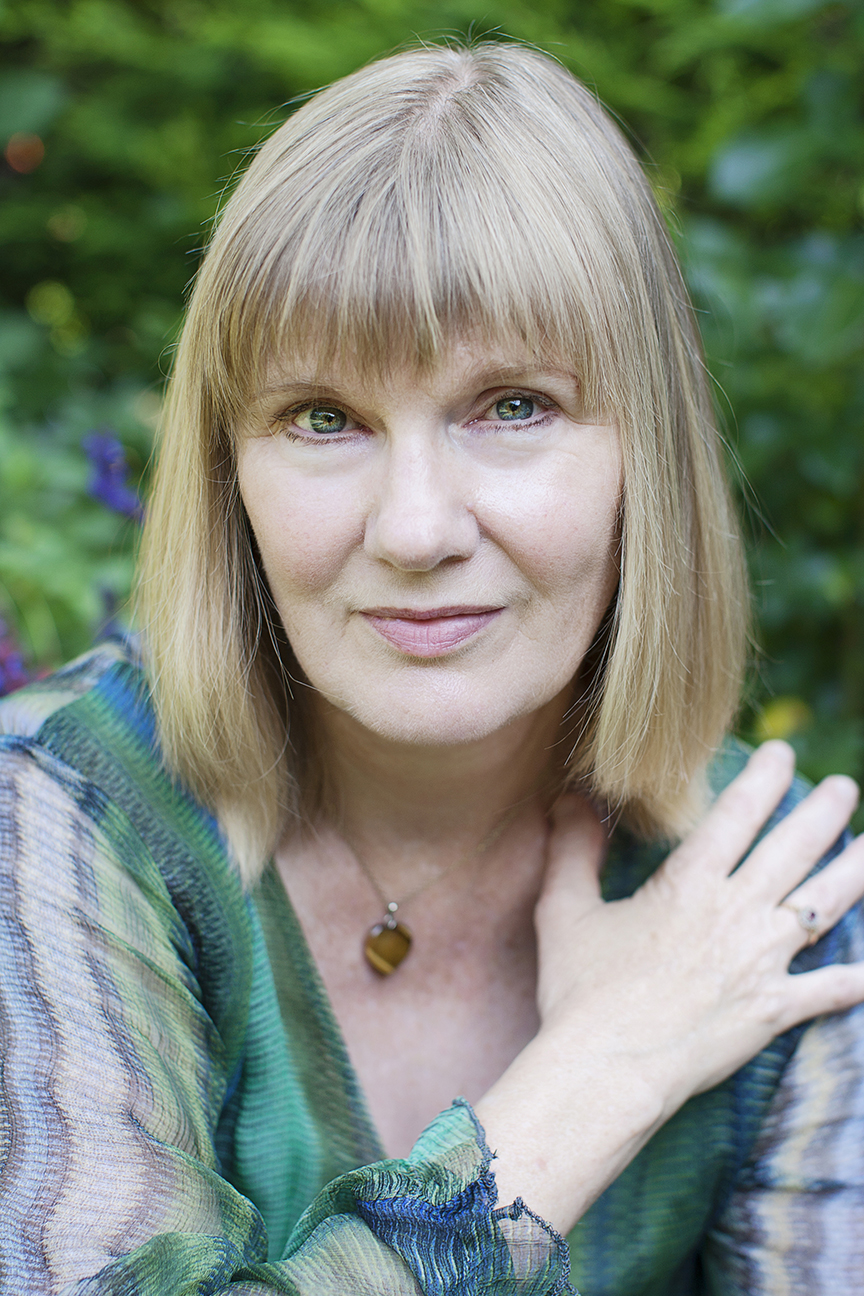
Laurelle portrait 4Laurelle Rond began her career as a musician, singer and writer. She has developed a unique method of healing and self-discovery using sound, voice therapy and story work. With forty years of experience as a teacher and healer, she is also a published novelist and has recorded twelve CDs.

Laurelle runs meditation classes, has a private practice as a sound therapist and vocal coach and runs self-discovery workshops.
I was coming apart at the seams emotionally and Laurelle put me back together again. Literally!

Not in a physical Humpty-Dumpty way, but in an energetic way.

Quantum Physics states that our bodies are a constantly vibrating mass of atoms at the sub-atomic level. The nuts and bolts of our physical make-up are the exact same ingredients that constitute the entire universe:  we are literally one with the substrate of all that is! We are as amazing as the stars and planets that we stare up in awe at on a clear night.

Milky Way

Energy cannot be created or destroyed, it can only change form, and on that basis we are as eternal and immortal as the cosmos.

However, if our energy is knocked out of balance it can become stagnant, which is when health issues can arise. Emotional and childhood trauma, stress, childbirth and all manner of events can splinter our main energy point, so that it hampers energy from travelling effectively through our Chakra system.

Perhaps I should explain, what Laurelle did for me was to bring my energy vortex back into wholeness by re-aligning my assemblage point.

The assemblage point is the epicentre of the body’s energy field, which lies roughly in the centre of the chest.

What is an assemblage point?

I didn’t really know what to expect, and I’d like to say I came away fully re-charged, but apparently my reaction was a good one! I’ll not keep you guessing any longer…

Assemblage Point re-alignment

When I arrived Laurelle greeted me with her usual warm smile and we chatted in a safe environment for a bit about my childhood and current situation. It seemed my visit was well timed; a particularly traumatic event from my early childhood had been triggered. After a decade of meditation I thought I had cleared most things, but this was sitting heavy on my chest, causing some issues with my lungs and voice.

There is a tendency to bury traumatic feelings and beliefs that arise in early childhood as they are too painful to deal with at the time. However they can get buried deep in the psyche and we become unconscious of them. I had abandonment issues, which manifested in a very emotional reaction when I told Laurelle about my experience as a six year old girl.

In my mind’s eye I saw my younger self as she sat at a window watching her father walk down the path, away from their home, feeling like she was at fault and that she must have done something very wrong.  She hadn’t meant to upset her dad. Her world was crashing in on her in that moment, she knew she would never live with him again.

I hadn’t even thought about it for a very long time, yet it affected me very profoundly when I spoke of it in a loving, non-judgmental environment. Then Laurelle took me through to her sound therapy room.
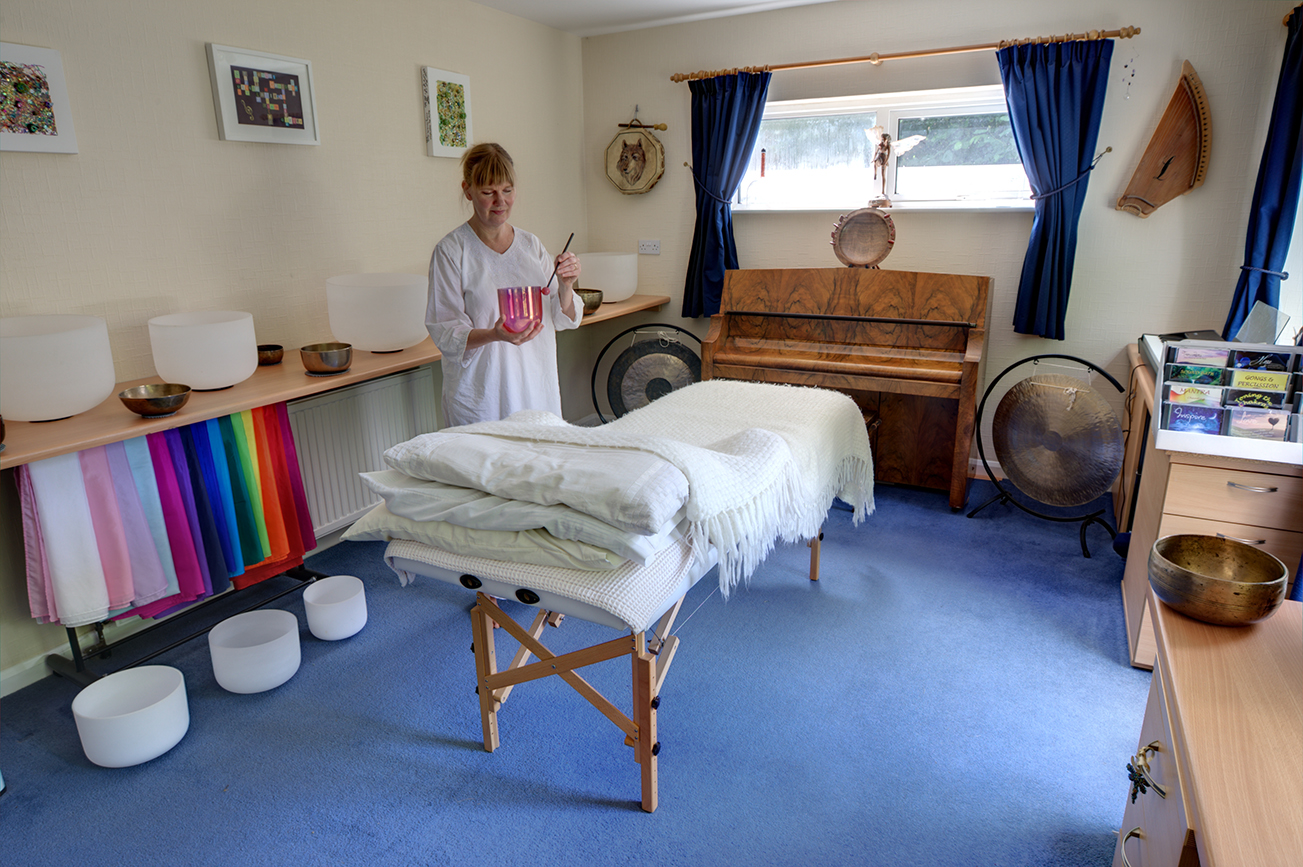
Laurelle bowl room

The curtains had been drawn. I settled in repose on her extremely comfortable treatment couch and she pulled a soft blanket over me. I was told I could relax and it was fine if I fell asleep, but that she would need to gently wake me at a certain point in the treatment when she would ask me to do an energy lock so that she could align my Assemblage Point.
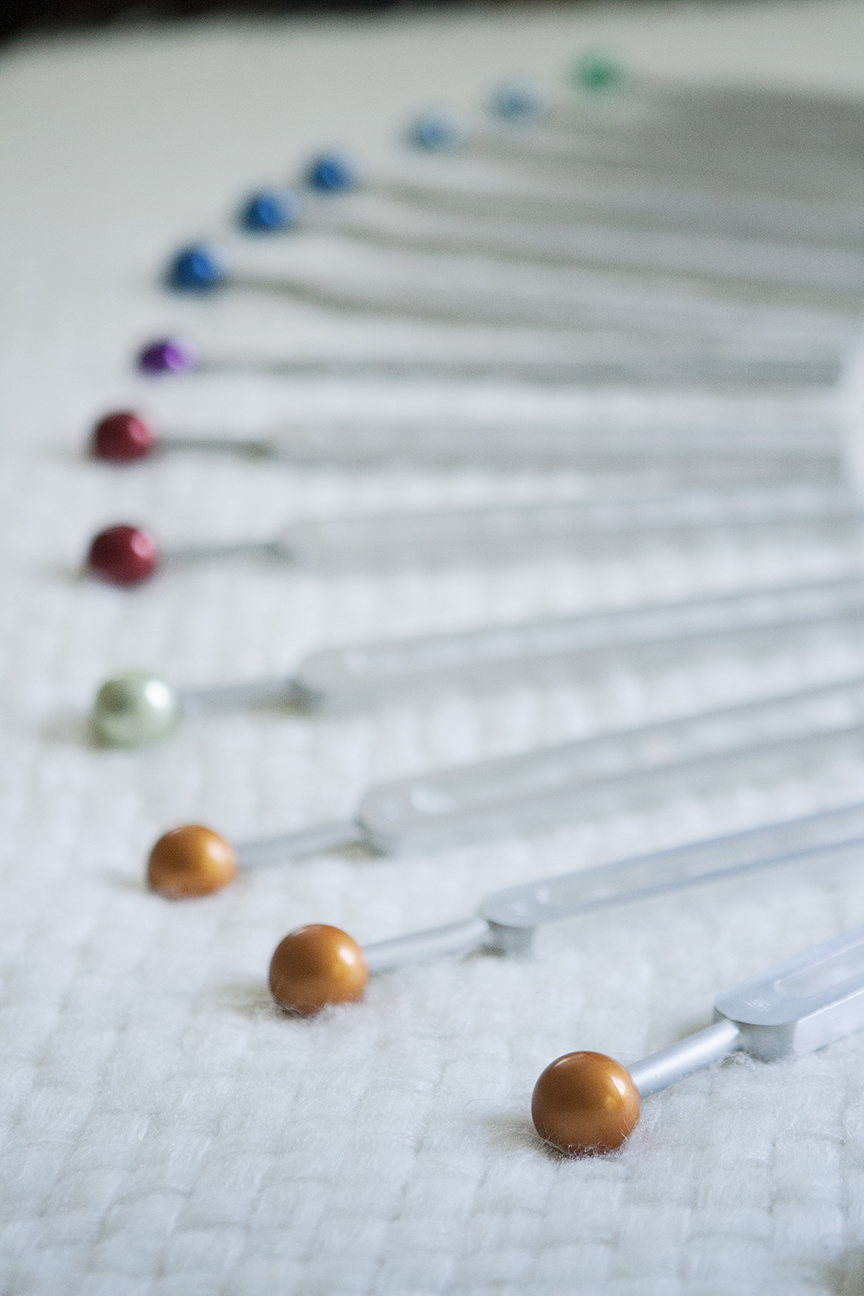
Planetary Tuning Forks

Planetary Tuning Forks

It was quiet for a second as I lay there, eyes closed, ready for Laurelle to work her magic. And work it she did. I soon became aware of different sounds passing around me. They seemed unintrusive and comforting, they calmed my overactive mind.

I remember hearing what sounded like beads shaking, tuning forks, Himalayan bowls, crystal bowls and Laurelle’s beautiful, pure voice.

All the while my eyes remained closed as the sounds infiltrated my whole being.

Laurelle placed a crystal on my chest and I gradually felt the area warm up until after a few minutes my whole upper body seemed to be radiating intense heat. It was a very welcoming sensation! I had no control over my body or my mind at this point; I was in Laurelle’s capable and caring hands!

I was then told to tighten my muscles as Laurelle had explained to me at the beginning, which I did for a few seconds, after which I was able to return to my deeply relaxed state. More pleasant sounds passed through me, I was enjoying the way the healing vibrations were affecting me.

Afterwards Laurelle left me all cosy and sleepy.  It took me a few minutes to re-focus my eyes when I opened them, I didn’t want to move, I felt so calm…

Eventually I rose and sat with Laurelle in her lounge. It was at this point something very strange happened to me. The all-encompassing warmth that had filled me dissipated and I started shivering slightly. Quite quickly the trembling progressed and before I knew it I was shaking uncontrollably all over. Laurelle pulled a fleece blanket round me and we sat together quietly as my body did its thing. My mind was empty while my body felt like it was in overdrive. This went on for about ten minutes.

Laurelle explained that this was my body’s way of releasing pent up trauma; a natural, physical reaction that was both healthy and normal and that I should let it run its course. I had a drink of water and Laurelle told me I would feel tired for about 48 hours.

I spent a few hours snuggled under my duvet that afternoon and slept like a baby. Gradually over the weekend the heaviness I felt in my chest and limbs disappeared and my physical, mental and spiritual flow returned. As I write this post I’m feeling fully restored and firing on all cylinders again!
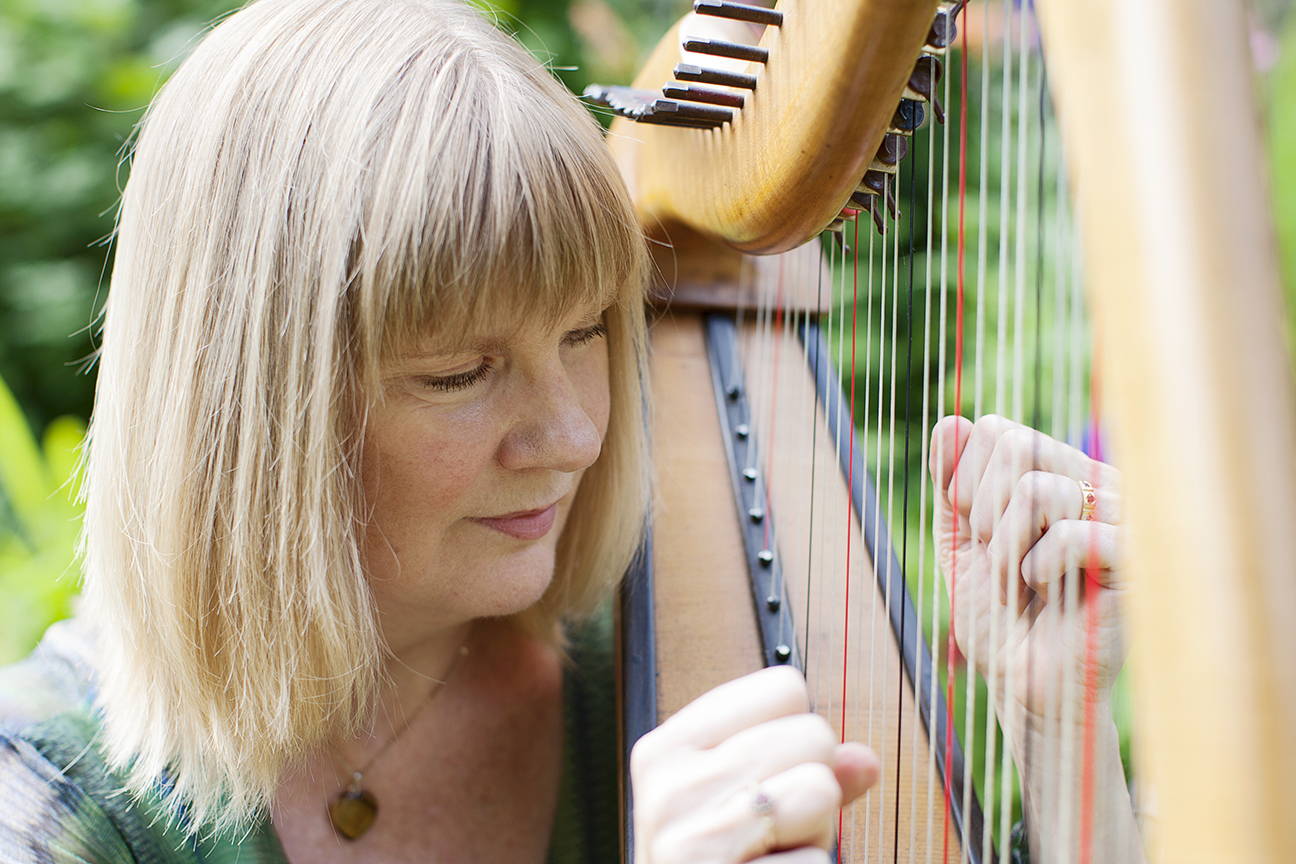
Laurelle harp garden close up

I’ll definitely be going back for a ‘tune up’. It was an incredible experience that is hard to put into words. It affects you at a fundamental level and regardless of what’s going on in your mind your cells respond…

I admire Laurelle on so many levels, as a human being, as a teacher, as a musician and healer. She understands me. What more can anyone ask of a therapist and friend?

If you live in the Home Counties area, do get in touch with Laurelle and give it a try. I guarantee you it will be one of the most worthwhile experiences you will ever have – completely life changing.

The Wonderful Work of WheelPower at Stoke Mandeville Stadium

“Stoke Mandeville Stadium is like a second home to me, and here I had a defining moment of my career choosing what sport I wanted to do.”

~ David Weir CBE, past Junior Games participant and 6 x Paralympic Champion.

I recently visited Stoke Mandeville Stadium to find out more about the inspiring work of our national charity for wheelchair sport, WheelPower; who provide opportunities for disabled people to play a sport they love.

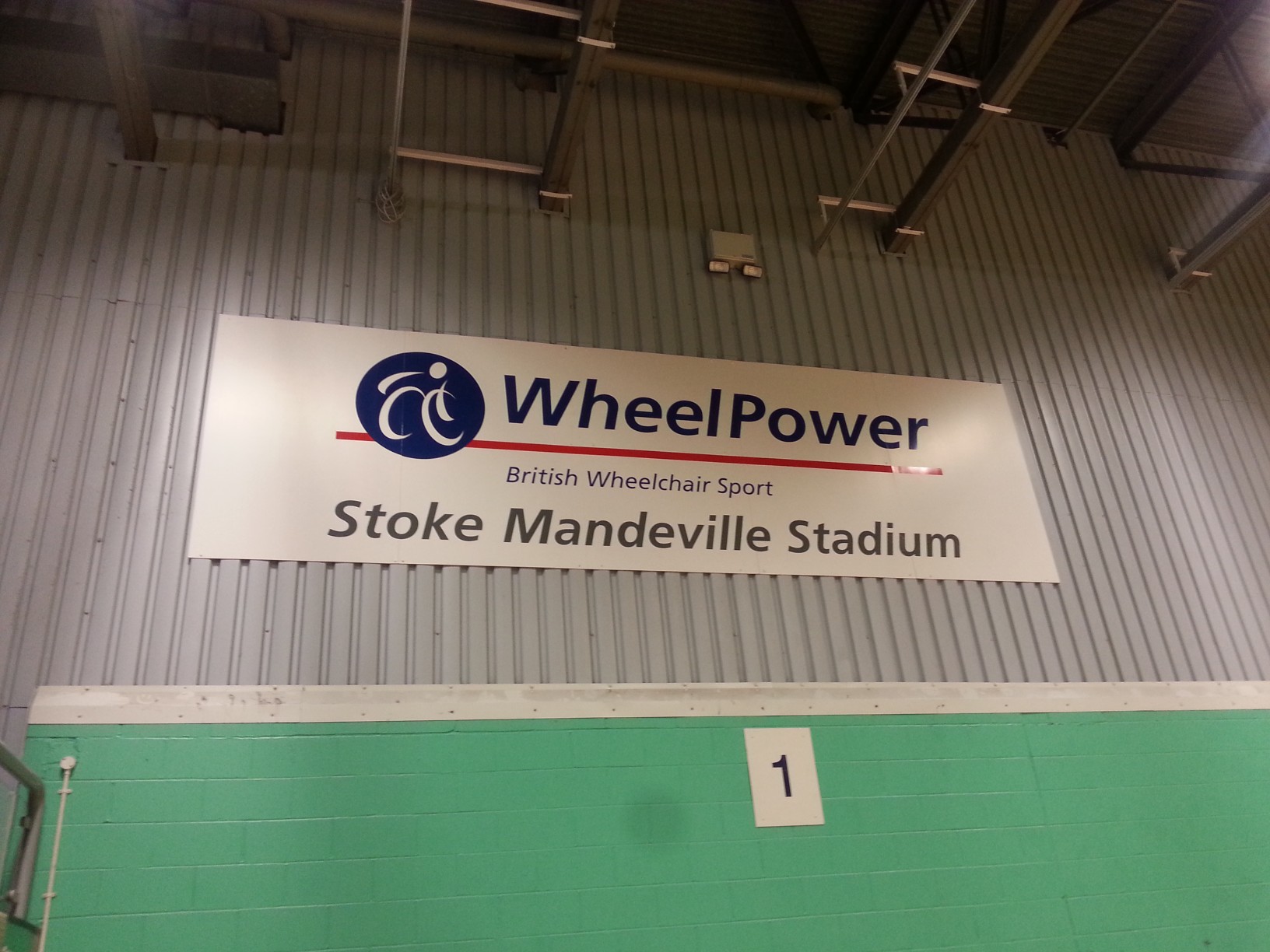
Wheelpower sign

But before I talk about the amazing activities and coaching this charity organises, I’d like to take you back to where it all began, to the ground breaking and pioneering work of doctor Ludwig Guttmann, who made all of this possible.

Professor Sir Ludwig Guttmann & The National Spinal Injuries Centre

Doctor Ludwig Guttmann was a top neurosurgeon in Germany when the Nazis came into power. Jewish by birth, Dr. Guttmann realised he had to get out of Germany before the start of the Second World War.  Fortunately he was able to come to the UK in 1939 and settled in Oxford with his family.

Here he continued his research in neuroscience at the Radcliffe Infirmary until he was asked by the British government to spear head the National Spinal Injuries Centre at Stoke Mandeville Hospital near Aylesbury, Buckinghamshire.

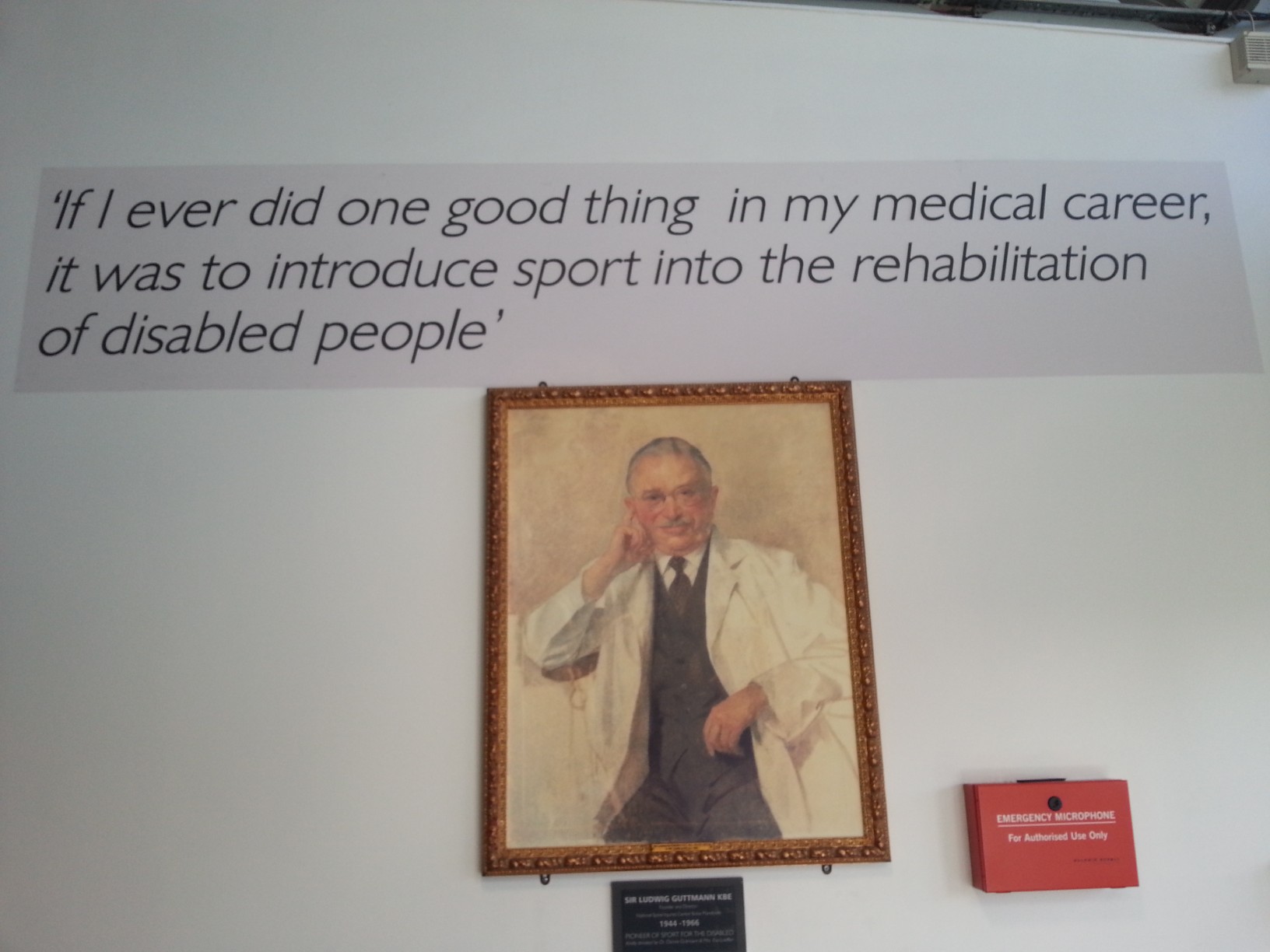
Dr. Ludwig Guttmann painting and quote

Under his leadership the centre opened on 1st February 1944 and Guttmann became its first director. He introduced the concept of using sport to rehabilitate injured service personnel returning from the war and also for those with other spinal injuries and illness. Dr. Guttmann believed that physical exercise was crucial to restore fitness and self-esteem, as well as giving much needed social interaction.

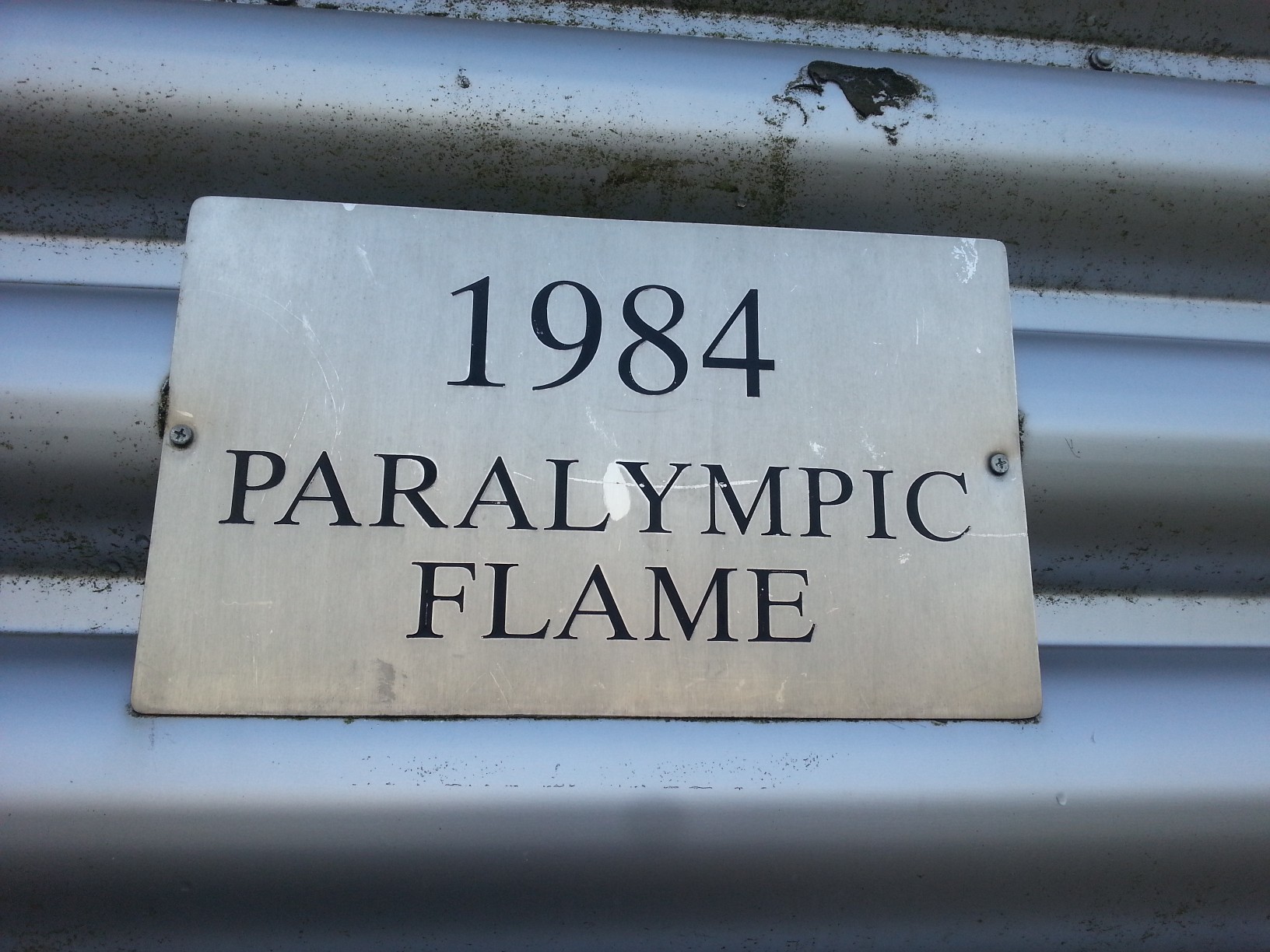
1984 Paralympic Flame signIn those days spinal patients weren’t expected to recover and were left lying in sedation with no hope of rehabilitation, their treatment was purely palliative.  Fortunately, Dr. Guttmann had other, more innovative ideas, which met with resistance initially, but gradually his therapies changed both lives and attitudes.

Here is a moving clip from the film, The Best of Men, with Eddie Marsan doing a brilliant job of portraying this kind, forward thinking man in his quest to bring sports into the lives of the injured and disabled:

With around sixteen patients in cold wooden huts with little in the way of equipment and resources he set about creating an atmosphere of support and camaraderie that gave his patients hope for the future. To him, being paralysed wasn’t the end of life.

Dr. Guttman used medicine balls and got patients to sit up and move around, which soon progressed into wheelchair sport. In the grounds of the hospital they would play wheelchair polo, archery, basketball and netball. In 1948 London hosted its first Olympic Games and Dr. Guttmann persuaded the authorities to let him showcase his work. As a result, two spinal units competed at Stoke Mandeville in what was the first ever Paralympic Games.

In 1952 the Dutch team came over to compete with the British and in 1960 the UK sent its first Paralympic team to Rome. Fast forward to London 2012 and the Paralympic athletes are given as much respect as Olympic athletes. The 2012 Paralympic torch relay started from its home in Stoke Mandeville.

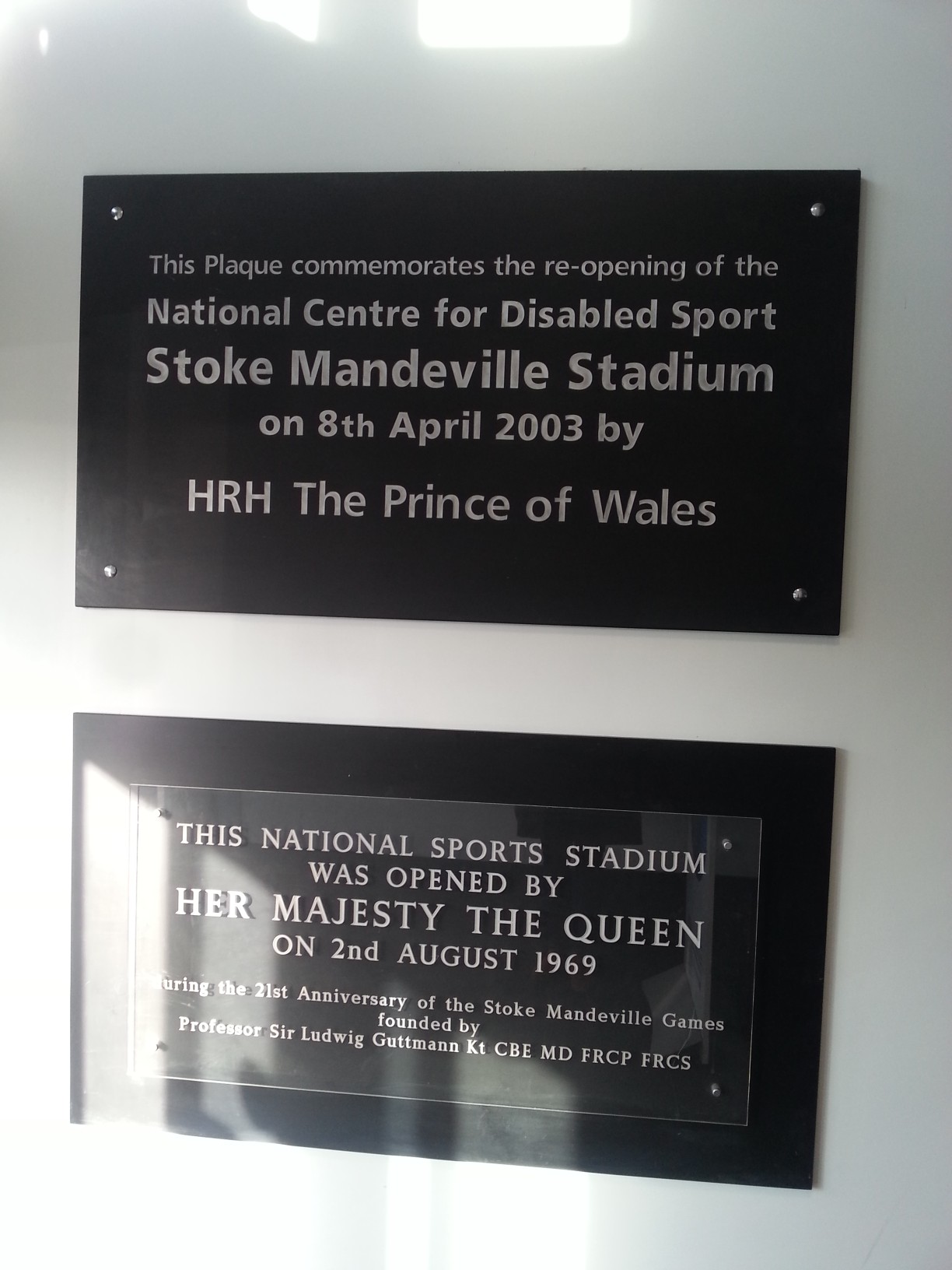
Memotial Placques

Transforming Lives

WheelPower continues to carry the torch of Dr. Guttmann’s legacy at grass roots level by enabling disabled people to transform their lives through sport.

They have specialist advisors who work in the Stoke Mandeville spinal unit as well as on site at the stadium next door, and at other spinal units around the UK.

WheelPower host the Junior Games every year which are open to 11 to 18 year olds across the UK and are held at Stoke Mandeville Stadium.  It was at one such event that Baroness Tanni Grey-Thompson began her career as a Paralympian.

They also run sport camps at weekends where parents can accompany their children. These are expanding from Stoke Mandeville to London, Birmingham and five new locations around the country. This is an ideal environment for the youngsters to try different wheelchair sports and find out what they like doing.

“I went to my first WheelPower camp and I tried lots of different sports, but the last sport I tried was archery and I fell in love with it straight away! I felt the whole experience of the WheelPower camp was amazing and without it I would never have found archery.”

~ Megan Fossberry, (past participant aiming for Rio 2016.)

For adults, WheelPower run the Inter-Spinal Unit Games based on Dr. Guttmann’s ideas. There are around twelve units in the UK. They are also given advice on how they can play sport in their local area, and WheelPower have a postcode finder on their website.

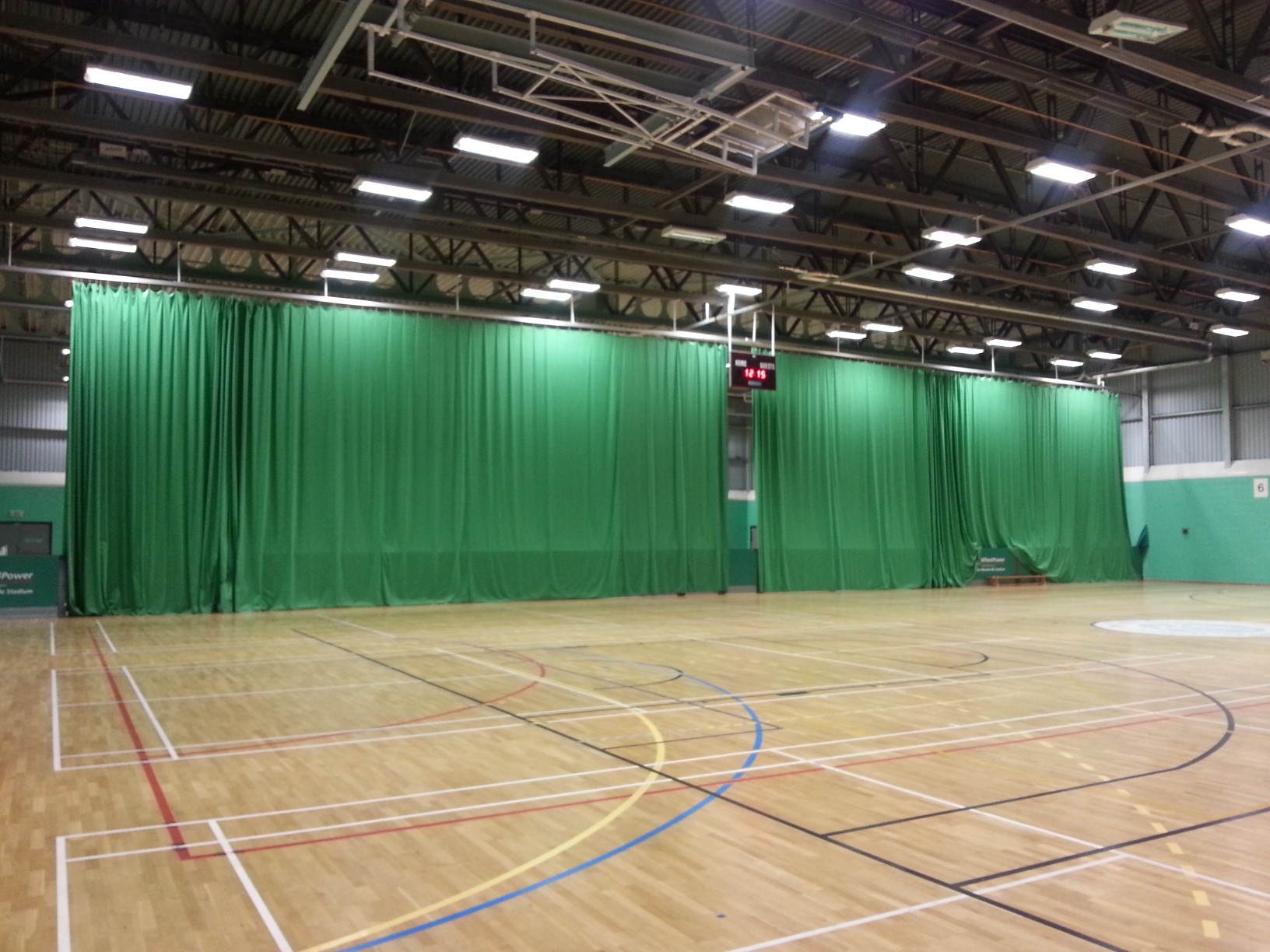
SM sports hall

WheelPower 2014-15 year in numbers:

  • 482,155 people played sport at Stoke Mandeville Stadium
  • Arranged 103 sport sessions and workshops for 794 recently paralysed hospital patients
  • 122 children attended the National Junior Games
  • 450 new Wheelpower members
  • 85 recently paralysed people introduced to sport
  • 228 disabled gym members
  • 288 disabled children introduced to sport at WheelPower camps
  • 2% of disabled people play sport once a week
  • 45,214 disabled people played sport at Stoke Mandeville Stadium

Fundraising

Sport England provides a certain amount of funding for the buildings that WheelPower use in their work, but mostly they rely on volunteers and public fundraising to continue with their day to day activities. Companies can also sponsor corporate events at Stoke Mandeville to assist the charity.

A £100 donation could fund a place for a child at a weekend event.

WheelPower also promote their WheelAppeal which raises money for a disabled person’s first specialist sports wheelchair. These bespoke chairs are made to measure by RGK and cost around £3,000.

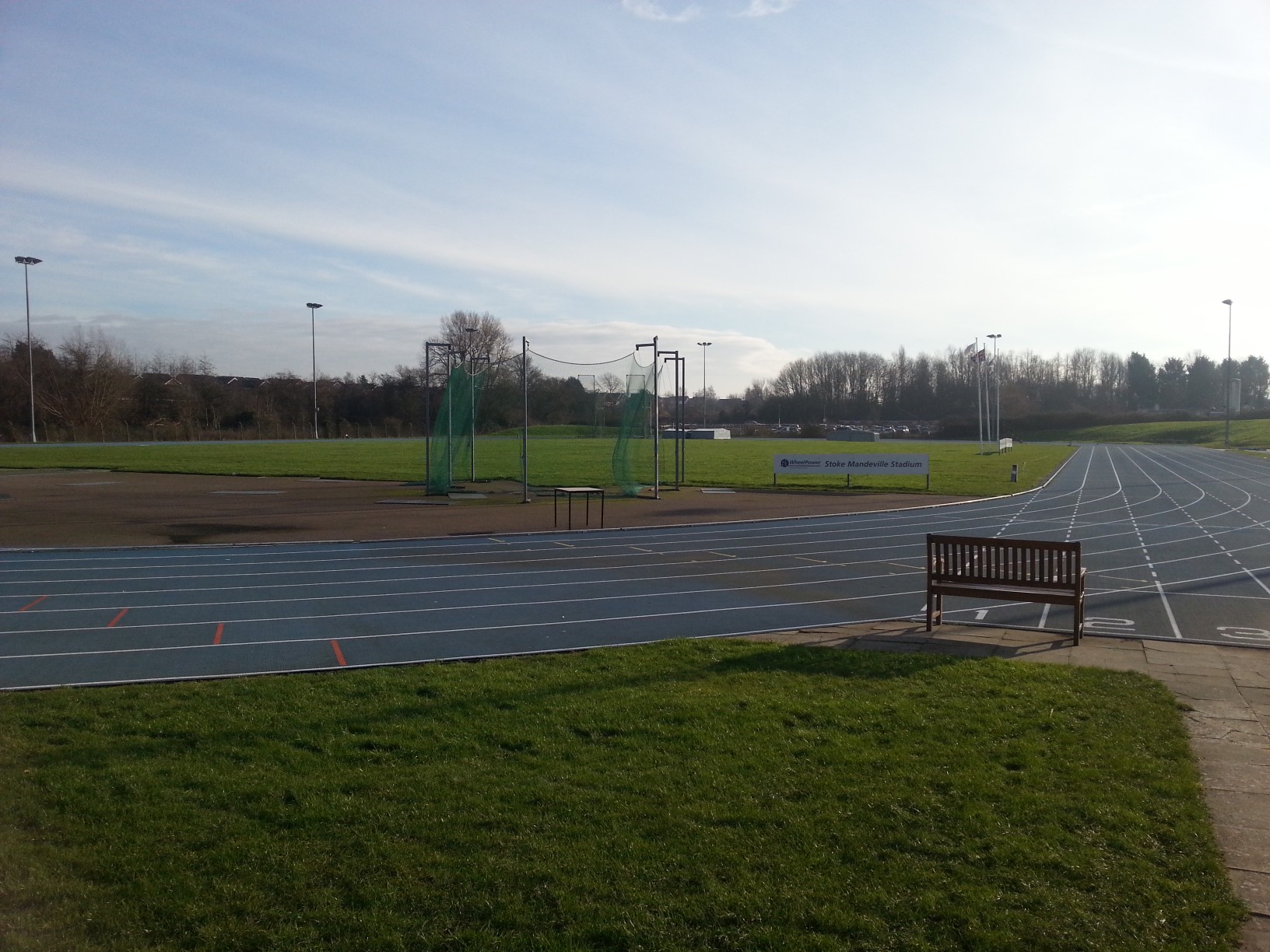
SM track view

Their Tour de Vale bike ride takes place every June with two thousand community places and in 2015 the event raised £63,000. Lots of budding cyclists welcome!

Ollie told me that he regularly takes a wheelchair into mainstream schools to raise awareness of their work with able bodied children to get them thinking about what they can do for children who haven’t been so fortunate. There is also a fundraising lottery that costs £1 per week.

Breakdown

The charity publish the proportion of spending for every pound they recieve. In 2014-15 16.4%  of income was spent on governance and fundraising and the remaining 83.6% went to good use fulfilling their charitable objectives. WheelPower raise £5.19 for every £1 they invest in fundraising.

How to join in and support WheelPower

If you would like to make a donation to this worthy cause, you can do so here.

Stoke Mandeville Stadium

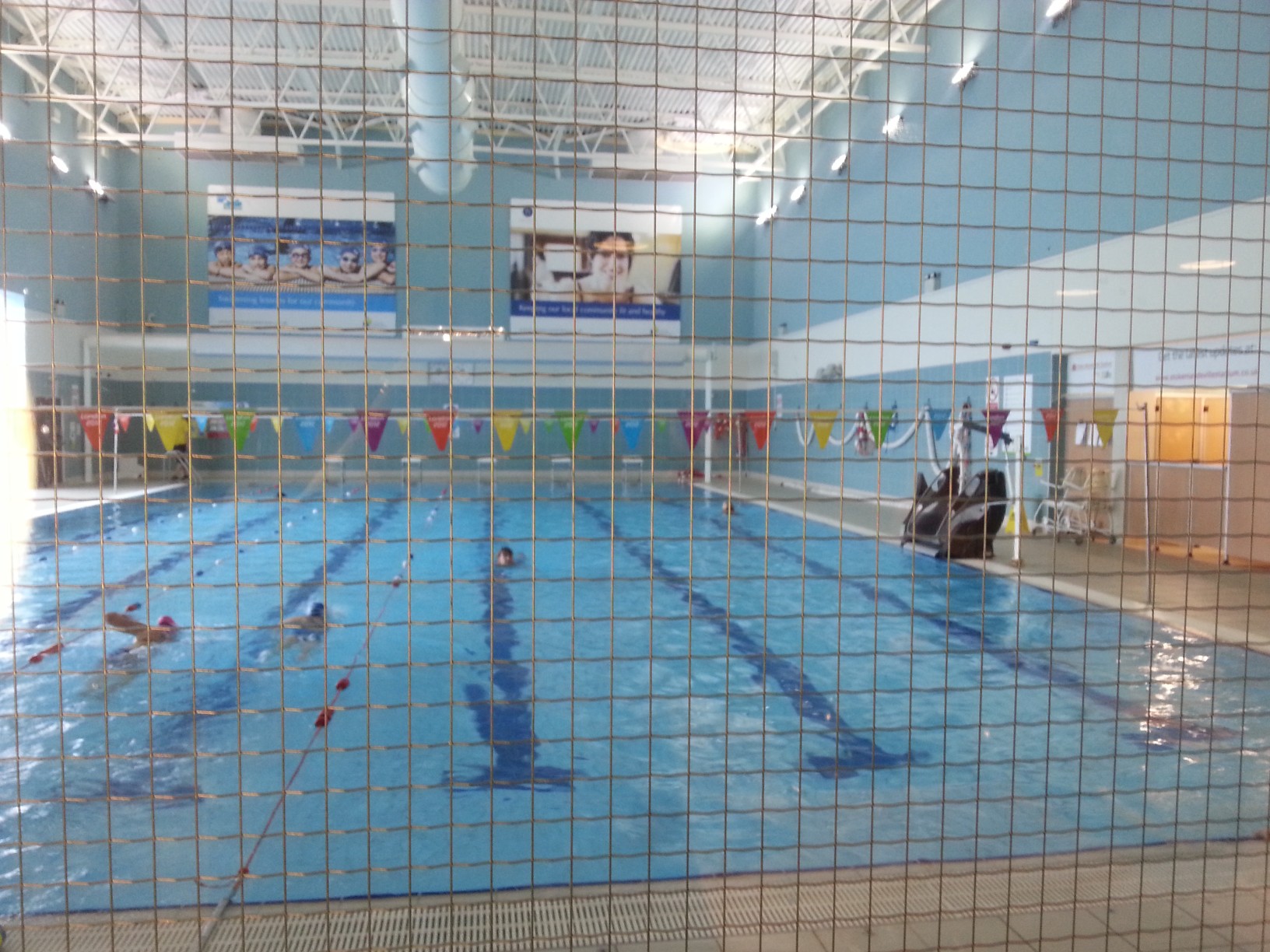
The Stoke Mandeville facilities are open to able bodied and disabled members alike. The swimming pool has a special pod that transfers someone from their normal wheelchair into a waterproof wheelchair without the need for assistance.

SM pool

The comprehensive facilities at the stadium complex include track and field, indoor sports hall, well equipped gym that caters for wheelchair users also, tennis courts, dance studio, stationary bikes, and in the original huts there is powerlifting, shooting and cue sports. In total there are twenty different sports and activities available. The site can offer accommodation for up to 200 disabled visitors.

Ambassadors

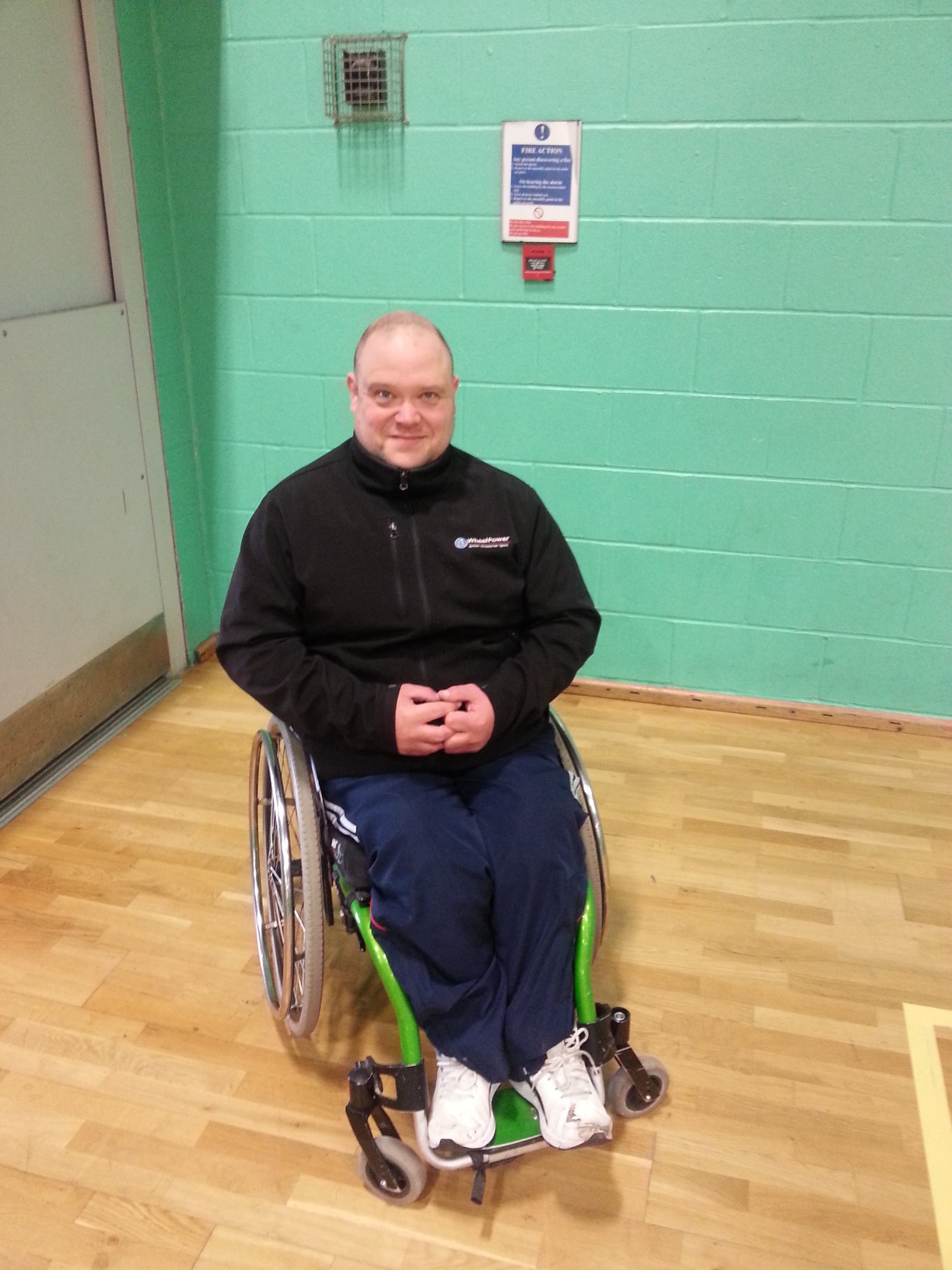
Chris Rattenbury - Wheelpower AmbassadorChris Rattenbury has been a WheelPower ambassador for five years. A former power lifter, he was once ranked 7th in the world, lifting 172 kilos.

Chris has Spina bifida and has received twenty years of support and assistance from WheelPower. These days he loves to play basketball, and he was a charming host, showing me round the stadium complex.

It was such an uplifting and inspiring day, I hope my post adequately highlights the dedicated and important work that WheelPower does, and can continue to do with enough public support.

Please donate what you can to this worthy cause!

#SundayBlogShare – Your Inner Goddess 💗🙋

My musings today are for the sisterhood, for the sacred feminine that isn’t celebrated enough in our modern, patriarchal society.

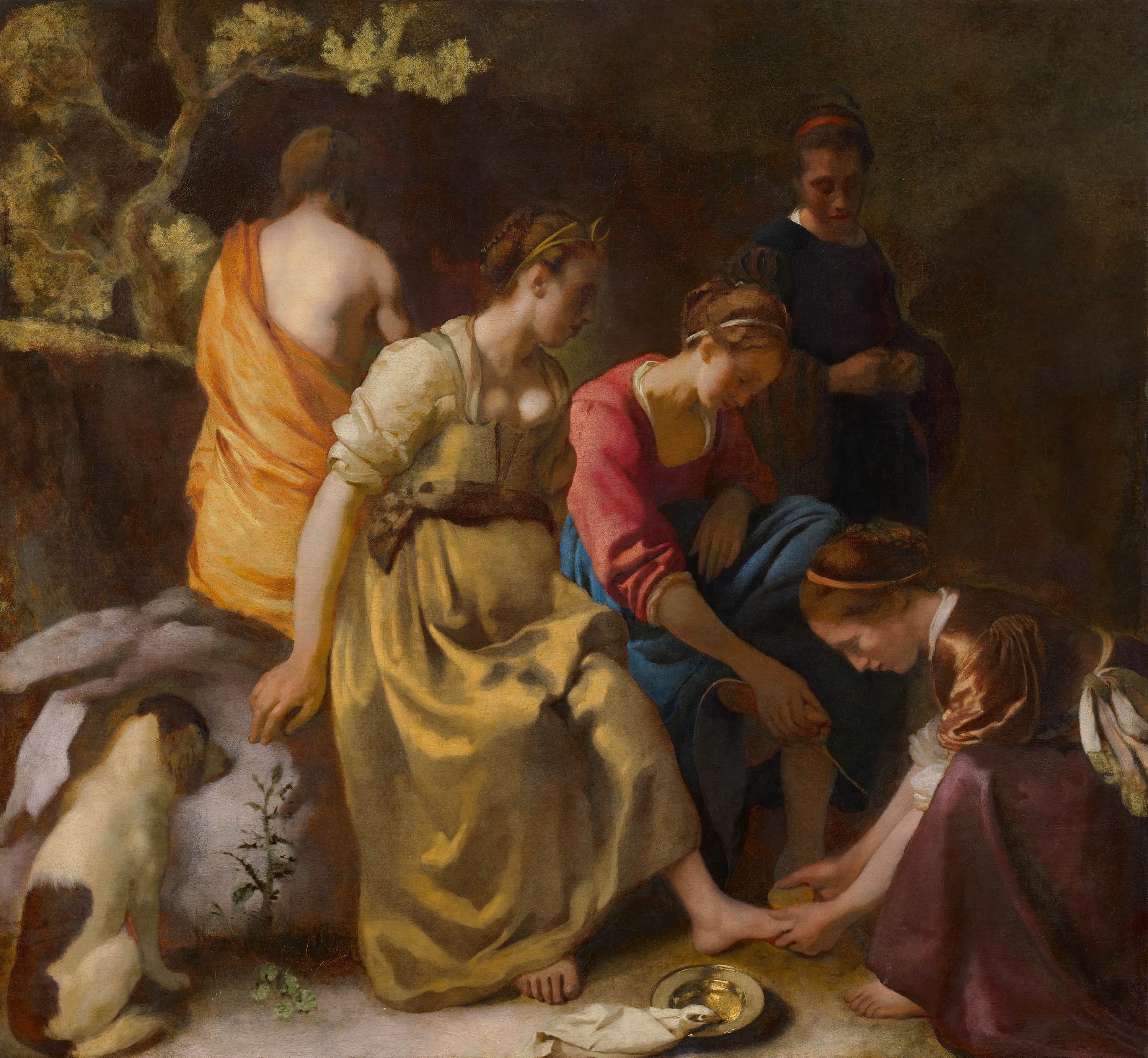
Diana and her Nymphs - Johannes Vermeer c. 1653 - 1656

Diana and her Nymphs – Johannes Vermeer c. 1653 – 1656

I’m showing some love this Valentine’s Day for women around the world; so often mistreated, forgotten, ignored, repressed, used, abused, attacked, criticised, taken for granted, unappreciated, struggling to live in your beauty and power…this is for you, and for all men who agree with these sentiments and love, cherish and admire you for how special you are!

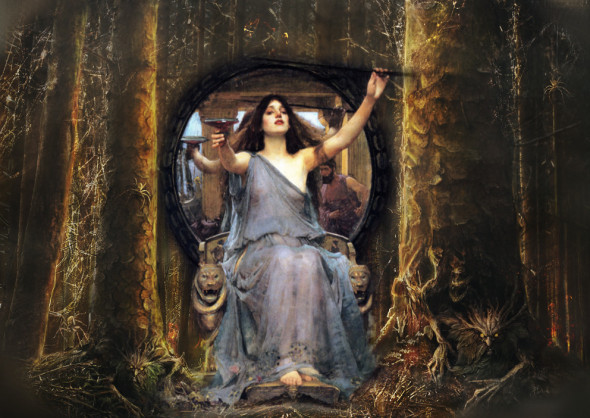
Circe Offering the Cup to Odysseus - JW Waterhouse c. 1891

Circe Offering the Cup to Odysseus – JW Waterhouse c. 1891

Your Inner Goddess

The ancient goddess, that mythical, sensual deity,

Archetypal, dwelling in you is she;

Endowing her wisdom, virtue and fecundity.

Use her radiance and effulgence in days,

She presents herself in a myriad of ways.

Venus et l'amour - Lambert Sustris c. 1550

Venus et l’amour – Lambert Sustris c. 1550

Your inner Goddess takes any form you desire,

There is Gaia, Rhea, Madonna, Ninhursag,

Creative energy populates, always on fire.

Heavenly mother, epitome of unconditional love,

Life is in you, ever fertile, below and above.

Madonna in the meadow - Raphael c. 1506

Madonna in the meadow – Raphael c. 1506

From the youthful, sweet singing siren,

Luring lusty sailors to misfortune, to the

Nubile nymph, perched seductively on grassy lichen.

You and nature are one; nurturing and plentiful,

Elemental, ephemeral, eternal, intoxicating, bountiful…

Hylas and the Nymphs - John William Waterhouse c. 1896

Hylas and the Nymphs – John William Waterhouse c. 1896

So it has been; throughout the age of humanity,

In every philosophy, religion, or zeitgeist,

Goddesses of every age, passion and variety;

Were revered and respected to give,

Their gifts: both benign and destructive.

Marie de Medici as Bellona by Peter Paul Rubens c. 1625

Marie de Medici as Bellona by Peter Paul Rubens c. 1625

In business you can call on Athena,

From Rome she rules supreme in crafts and strategy,

For immortal, divine wisdom: Sophia.

Aphrodite and Venus bestow love, pleasure, beauty,

Celtic Brigantia exalts to mountain peaks lofty.

The Birth of Venus - Sandro Botticelli c. 1484-86

The Birth of Venus – Sandro Botticelli c. 1484-86

Huntress Artemis, protector of babies born,

Archer, animal loving daughter of Zeus,

Feel her fury if a warrior goddess you scorn.

Kali, Pele and Enyo destroy evil, unleash war,

Align with your Goddess companion and soar.

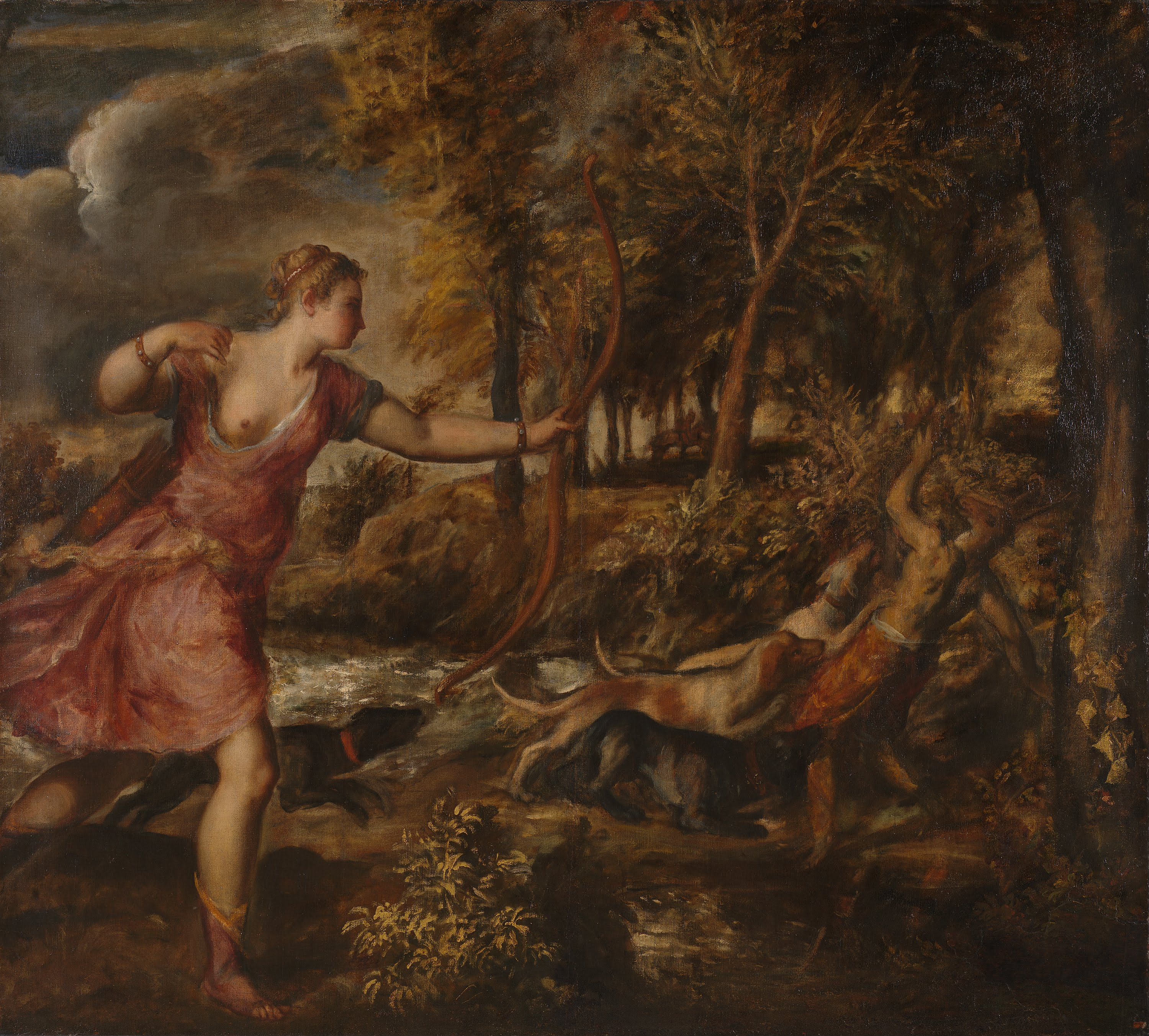
The Death of Acteon (Diana) - Titian c. 1559 - 1575

The Death of Acteon (Diana) – Titian c. 1559 – 1575

Seek Minerva for intellect, music and magic,

Connect with your sacred feminine,

To ignore your inner Goddess is tragic.

You are flesh and blood; bone and sinew,

Beauty and brains; but mythology is in you!

Astarte Syriaca - Dante Gabriel Rossetti c. 1878

Astarte Syriaca – Dante Gabriel Rossetti c. 1878

Adapt and use her primordial intensity,

To bless and infuse your uniqueness,

Be it as lover, healer, or essence of vitality.

You are a powerful cosmic sorceress,

Worship your inner goddess…

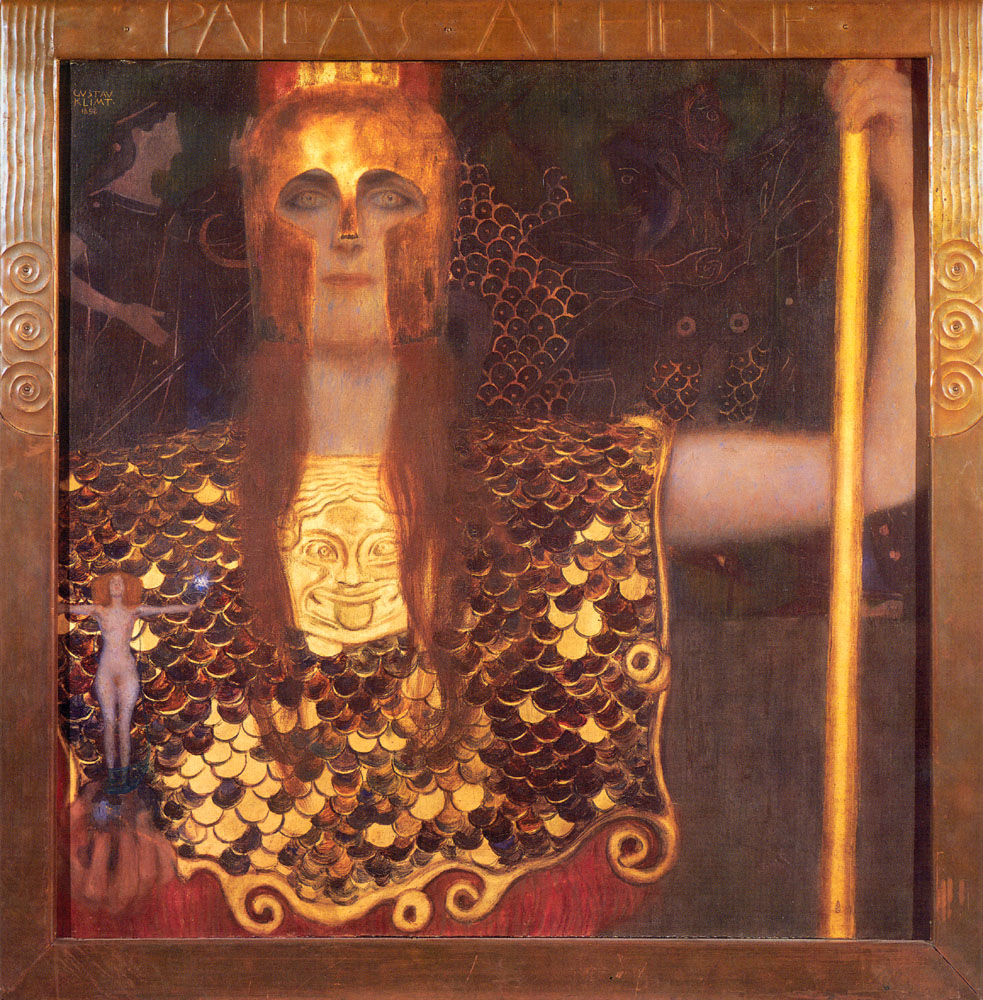
Athena - Gustav Klimt c. 1898

Athena – Gustav Klimt c. 1898

Beethoven and Bridgetower: The Story Behind the Famous ‘Kreutzer’ Sonata

Aside from his musical genius, composer Ludwig van Beethoven was known by his contemporaries to possess an irascible nature. Hardly surprising when you consider the circumstances of his life, but underneath his passionate exterior beat a kind and loyal heart.

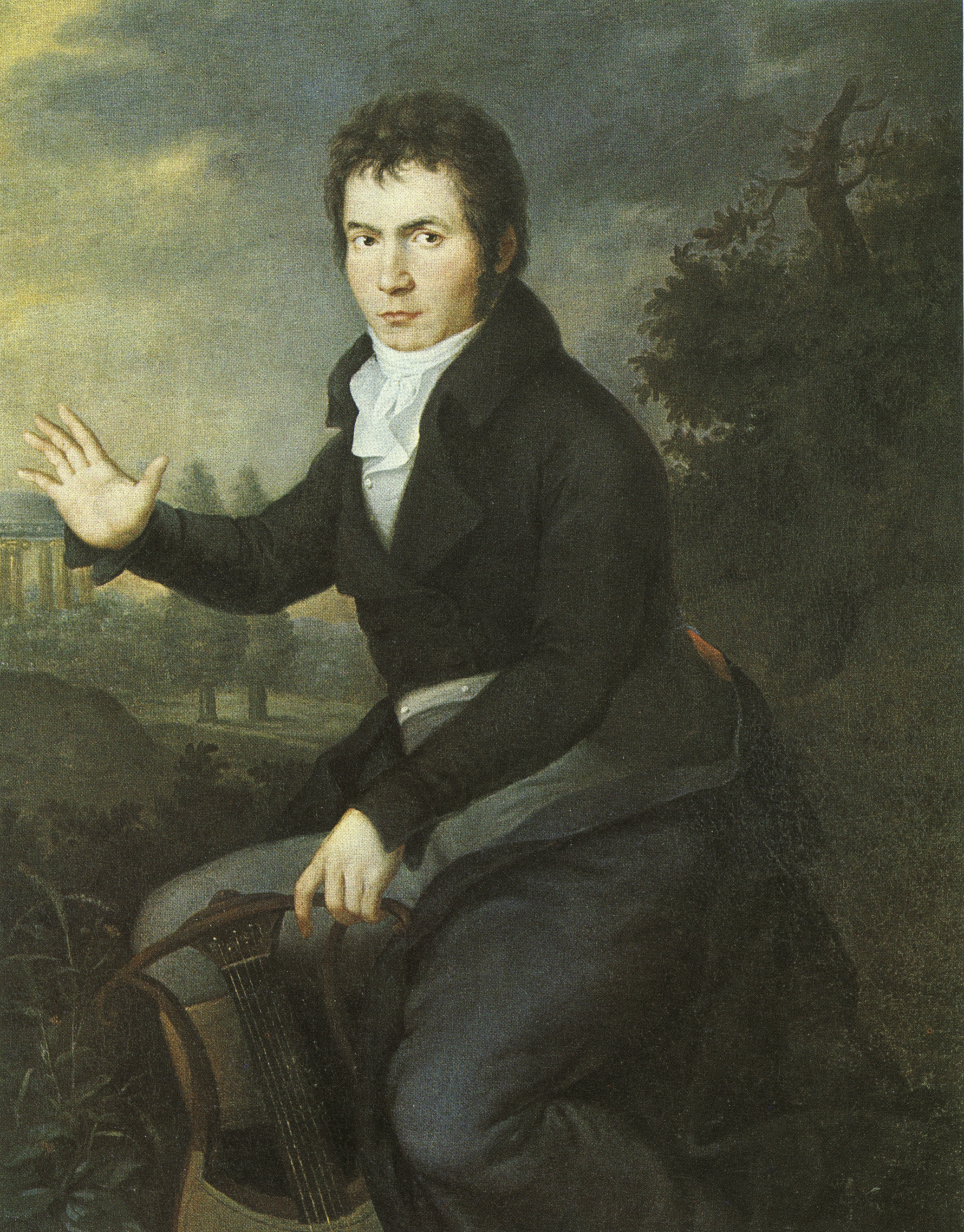
Portrait of Beethoven by Joseph Williboard Mahler c. 1804-5 (oil on canvas)

Portrait of Beethoven by Joseph Williboard Mahler c. 1804-5 (oil on canvas)

As certain people found to their detriment, if you got on the wrong side of him it was virtually impossible to get back into his good graces!

Just ask Napoleon Bonaparte, who he originally dedicated his third symphony the ‘Eroica’ to.  After Napoleon’s egalitarian ideals developed into warmongering and a rapacious appetite for control over Europe, the composer violently crossed out his dedication from the top of the score.

Beethoven Eroica _title

Beethoven branded his nephew’s mother, Johanna, a ‘queen of the night’ and the two were locked in years of battle over custody of her son Carl. It’s debatable if he was in a lucid moment or not, but Beethoven asked for her forgiveness on his deathbed. (You can read the incredibly moving text in Conversations with Beethoven).

Another unfortunate recipient of Beethoven’s wrath was virtuoso violinist George Bridgetower.

As it’s Black History Month I thought George deserved some recognition!

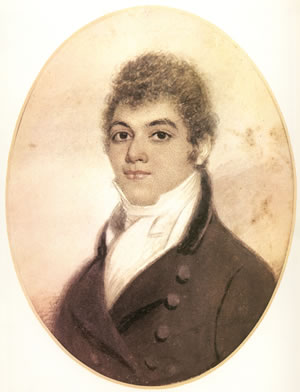
George Bridgetower by Henry Edridge c. 1790

George Bridgetower by Henry Edridge c. 1790

Unfortunately, his falling out with Beethoven meant that his achievements were rather side-lined in history. This is a very great shame, as Beethoven had been impressed enough by his talent and character when they met to compose the bulk of his ninth violin sonata in A major, opus 47 in his honour, along with the original dedication.

Here’s a fabulous vintage recording of the sonata in full by Leonid Kogan and Grigory Ginzburg:

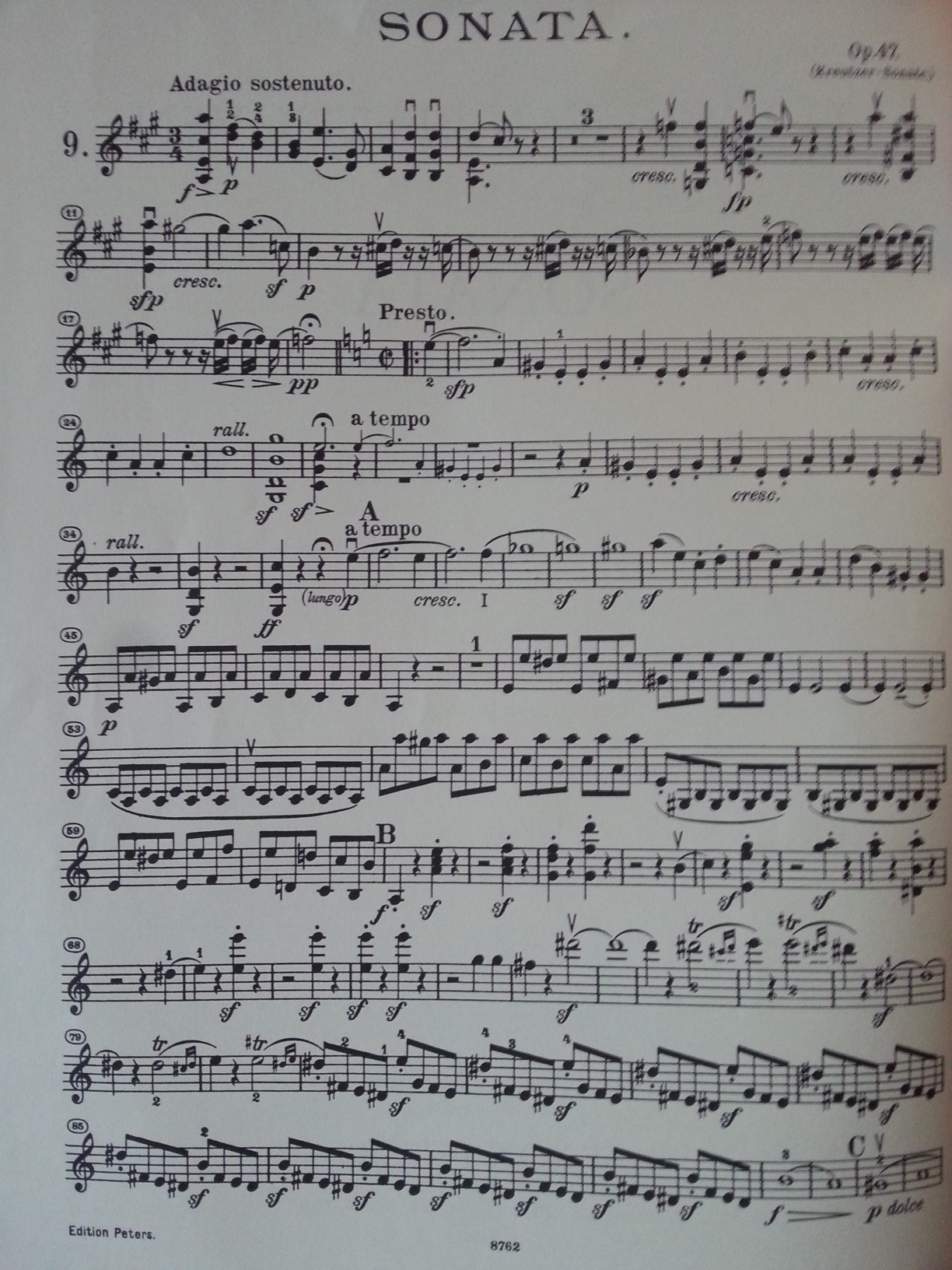
Beethoven’s penultimate violin sonata contains three movements and is pretty much as difficult to play as a violin concerto.  I love that it’s just as demanding for the piano. Rather than being an accompaniment the two instruments are having the most fascinating conversation.

Heaven only knows what swell of emotions were raging inside Beethoven when he wrote it.  It seems entirely plausible that it could it have been inspired by one of his ill-fated, passionate love affairs.

The sonata takes around 40 minutes to perform in its entirety and is a full-on physical workout! I’m still trying to master the double-stopping at the beginning…

My score of the Kreutzer by Edition Peters.

My score of the Kreutzer by Edition Peters.

Beethoven and Bridgetower premiered the work together on 24th May 1803 at the Augarten Palace Park Pavilion in Vienna at the rather unusual time of 8 am.

The final movement was already written as an unused movement from a previous violin sonata No. 6 Op. 30/1 (also in A major), so Beethoven hurriedly composed the first and second movements which were only completed at 4.30 am on the day of the concert!

The copyist had his work cut out, but hadn’t managed to do the violin part for the Andante and so Bridgetower had to read over Beethoven’s shoulder at the piano. In fact he sight-read the majority of the sonata to rapturous applause.

The second variation of the Andante which was sight-read by George Bridgetower.

The second variation of the Andante which was sight-read by George Bridgetower.

Obviously it wouldn’t have been perfect, but to have the confidence to play a work of such difficulty from sight in public speaks volumes.

The following text was taken from Beethoven’s sketchbook in 1803:

“Sonata per il Pianoforte ed uno violino obligato in uno stile molto concertante come d’un concerto”

His affectionate dedication read:

“Sonata mulattica composta per il mulatto Brischdauer (Bridgetower), gran pazzo e compositore mulattico” (Mulatto Sonata composed for the mulatto Bridgetower, great fool mulatto composer).

Sadly, their relationship turned sour after Bridgetower insulted a woman that Beethoven held dear. No-one knows who she was, or what was said, and perhaps Beethoven felt more than friendship for her, but true to form, in his anger Beethoven withdrew the dedication and later granted it to another famous violinist of the time, Rodolphe Kreutzer.

The irony is Kreutzer never performed his eponymous sonata, claiming it was unplayable! He considered it “outrageously unintelligible” and was not a fan of Beethoven’s music in general.

A most undeserved dedication, but the moniker was put into print and has been in use ever since.

Beethoven - Kreutzer front page

I love this clip from one of my favourite films, Immortal Beloved. Although not accurate in many aspects I love so much about this film, including the scene when Beethoven and Anton Schindler are discussing his ‘agitation’ and how music is like hypnotism, as George practices the sonata:

George Augustus Polgreen Bridgetower (11 October 1778 – 29 February 1860)

Born an Afro-European in Poland, he lived most of his life in England and became a celebrated virtuoso violinist. His father was probably from the West Indies and his mother was German, it’s thought that they served in the household of Joseph Haydn’s patron, the Hungarian Nikolaus I, Prince Esterházy.

Watercolour dated from 1800. Artist unknown.

Watercolour dated from 1800. Artist unknown.

George took to the violin at a young age becoming a celebrated virtuoso; he performed mainly in London and around Europe. He left London for Dresden in 1802 to visit his mother and brother who was a cellist there and later travelled to Vienna where he met Beethoven in 1803. He was also the recipient of Beethoven’s tuning fork which is now kept in the British Library.

In London Bridgtower was known as the ‘African Prince’ and the Prince Regent (eventually George IV) was one of his patrons. Despite the falling out with Beethoven he continued to have a successful musical career and in 1807 he was elected into the Royal Society of Musicians and in 1811 he attained his Bachelor of Music from Trinity Hall, Cambridge.

He was also a composer, two of his known works include: Diatonica armonica for piano, published in London in 1812 and Henry: A ballad, for medium voice and piano, also published in London.

This video was taken from an exhibition commissioned by the City of London Corporation in 2007 to commemorate the 200th anniversary of the first parliamentary bill to abolish slavery. George’s achievements are duly recognised:

The Pulitzer prize-winning poet and former United States Poet Laureate, Rita Dove, wrote an imagined narrative work about Bridgetower titled: Sonata Mulattica

Here she talks about her inspiration for the poem, alongside contemporary violinist Joshua Coyne, in a documentary film trailer:

I’m glad to say George hasn’t been forgotten!