To Supplement or not to Supplement, that is the Question…

Whether ‘tis nobler in the mind to suffer
The slings and arrows of outrageous lifestyle,
Or to take nutrition against a sea of troubles
And by opposing end them.

Okay, I know I’ve taken liberties with the bard, but only to poetically make a point. And the point boils down to this: the quality of our life is directly related to our health, well-being and emotional states. The fact is, none of us are getting out of here alive; but surely it’s worth enjoying our allotted time on this amazing planet with optimal health and happiness as far as possible?

Image by Robert Collins on Unsplash

We can only live life to the full and reach our potential when we have the vim, vigour and vitality to pursue the work, past-times and relationships that give us fulfilment, meaning and enjoyment.

There is a traditional wisdom which tells us, a person with health has many goals, but the person without health has only one.

I also love these Chinese sayings about health: ‘If you wish to live long, take a walk after the meal’, and ‘the disease comes through the mouth. We have to pay attention to what we eat. To be healthy, we have to eat healthy and clean food’.
This may sound like a strange question, but if your body was a car, what car would it be? Would you want it to have sleek bodywork, shiny chrome and a finely tuned engine?

Image by Nate Johnson on Unsplash

How often would you service it?

Just like a car our body requires fuel, and the quality of the fuel, (our nutrition), and general care, (our lifestyle), determines to a large extent how long it will last and how well it performs. But unlike a car, our body cannot be replaced, only certain ‘parts’.

Your body is a miracle, a one of a kind factory original with unique specifications, never to be repeated. It is the sacred vehicle that powers the soul through physical experience.

Many of us would not think twice about regularly servicing our vehicle to make sure it is legal and safe to drive. We risk our own lives and others if we don’t.  We give it an overhaul when it has seen a few miles to combat wear and tear and clear out stale spark plugs and change the oil.

Image by Dan Gold on Unsplash

How about clearing your arteries? How about reviving, replenishing and resetting your gut microbiome? If you clean an engine why not lift brain fog, why not put a bounce back in your step?

Would you let your car sit in the driveway gathering dust, or leave the lights on permanently to run the battery down? Perhaps you’d just ignore a puncture or faulty circuit?

Yet that is exactly what many of us do with our health!

We can struggle to take the time to recharge batteries, put in the best oil to lubricate the engine and keep it running in tip-top condition.  We forget to top up water levels. We assume that swollen achy joints and stiffening limbs, digestive issues and the like can fixed by a few pills from the doctor.  From what I’ve seen, the majority of drugs supress the body’s natural healing ability and produce unwanted side effects.

Remember Hippocrates, who stated: “Whenever a doctor cannot do good, he must be kept from doing harm.” He also said that natural forces within us are the true healers of disease.

And when the body has enough potent nutrition it’s remarkable what it can do. We underestimate the power of the mind, but the placebo effect proves our mind can be a great ally in our overall wellbeing.

Image by Kike Vega on Unsplash

There is much we can do to avoid such scenarios, and in the process lessen the burden on the NHS, which is in a politically induced crisis. Our beloved NHS spends a million pounds per hour in the fight against Type 2 Diabetes, a largely preventable disease.

If you have diabetes you are four times more likely to develop Alzheimers according to Dr. David Perlmutter. Many of these issues were highlighted in his Broken Brain series.

Western diets are designed for taste buds, convenience and profit, not for health.
You’ve likely heard the phrase you are what you eat, but you are what you assimilate or absorb. If you have leaky gut or are in insulin resistance, the chances are you won’t be absorbing anything like the nutrients your body could from fruit and vegetables.

Just like a dimmer switch, certain foods can switch genes on or off, down regulate or up regulate.

Metabolic dysfunction, the process behind obesity, diabetes, immune disorders, heart disease, and digestive issues, is surely the biggest threat to global health other than climate change.
Refined carbohydrates and processed/packaged foods contain excess sugar, additives, salt and trans-fats.

Typical Western diets mean we are overfed yet undernourished, literally digging an early grave with our teeth. Food companies (much like the tobacco industry) engineer their processed products to be addictive.  They don’t care about whether their ‘products’ are made from real, nourishing food, only that it makes them a profit.

When the wrong foods upset the delicate balance of our gut microbiome and cause dysbiosis, the bad bacteria get a foothold and we find ourselves craving refined carbs; breads, pasta, cakes, cookies, milk chocolate, sugar and salt.
In my not too distant past when I worked in the corporate world, I often worked late and was tired, and many a night couldn’t be bothered to cook fresh ingredients just for myself.  

A typical day for a professional might be:

Corn flakes or croissant for breakfast, or maybe just a coffee, followed by a sandwich, crisps, muffin, maybe an apple and sugary drink for lunch, and if tired after a long day at work (probably sitting for long periods), cook an oven ready meal with 1 or 2 vegetables. Some might be also adding alcohol with every evening meal. 

It’s not a recipe for long term health and wellbeing.

WHY SUPPLEMENT?

Supermarkets irradiate their fruit and veg so that it lasts longer. An organic carrot purchased from a farm shop will probably go droopy quicker than one bought in a supermarket, but it will likely contain more nutrition. Food is picked too early before ripening and kept in cold storage for months at a time for commercial considerations.

An apple in cold storage will lose 50% of its nutrients for every month that it’s stored. Fruits are treated with hormones to make them bigger. Our food chain is being altered for the worse; more sugar is added, fibre is removed, and there are less polyphenols. There is no concern for nutrient density. How corn was grown in the wild one thousand years ago is very different from today.

Image by Christophe Maartens on Unsplash

Nowadays we have to contend with extra starch. Don’t even get me started on HFCS (high fructose corn syrup)!!

Farming methods have changed radically in just a hundred years in line with population growth.  Fallow fields are a thing of the past, and over-farming, soil depletion, decline in bio-diversity and the use of chemical fertilisers and pesticides is robbing our food of vital minerals and vitamins.

Image by Adrian Infernus on Unsplash

In 2014 a study by Sheffield University predicted that, on average, UK farm soils were capable of only 100 more harvests. This is sobering news.

Even healthy diets are less effective than they were just a decade ago due to intensive agriculture. You might have to eat 5-10 carrots to get the same nutrition that you would have got from one a decade ago.

It’s hardly surprising that illness is so prevalent with statistics like these: an average of 34.4% of the population aged 15 years and over do not consume any fruits or vegetables in a day. Only 51.4% of the general population eat 1-4 portions of fruit and vegetables in a day. 

Five portions of fruit and veg a day is good for you, but 10 is much better and could prevent up to 7.8 million premature deaths worldwide every year, say scientists.

The findings of the study led by Imperial College London may dismay the two in three adults who struggle to manage three or four portions – perhaps some tomatoes in a sandwich at lunchtime, an apple and a few spoonfuls of peas at dinner.

However, a daily intake of even 200g, or two and a half standard 80g portions, is associated with a 16% reduced risk of heart disease, an 18% reduced risk of stroke, a 13% reduced risk of cardiovascular disease, 4% reduced risk of cancer and a 15% reduction in the risk of premature death.

But the study suggests we should be piling up platefuls of vegetables and raiding the fruit bowl every day if we want the best chance of avoiding chronic diseases or an early death.

Epigenetics: The science of Human Empowerment

Epigenetics is the study of changes in organisms caused by modification of gene expression rather than alteration of the genetic code itself. Our genetic blueprint is fixed for life, but how our blueprint manifests is not.

The body’s superstructure is constantly under revision based on how you live your life; what’s known as gene expression.
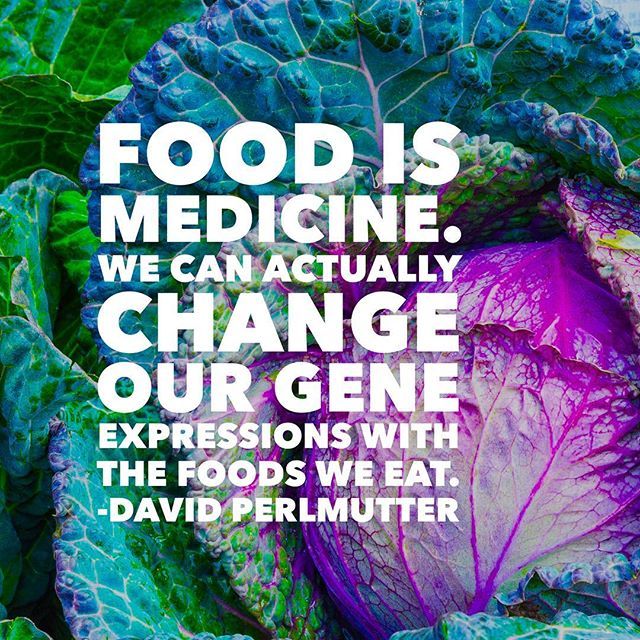
Epi comes from the Greek meaning above, and according to Dr. Bruce Lipton, this fits the scientific discovery that there is control above the genes. We may have inherited certain genes from our parents, but epigenetics shows us that it’s environmental signals that control biology.

This means that we are not victims, we can influence the way our genes express themselves.

Our genes are physical blueprints to make proteins, the primal element of life, and there are around 150,000 proteins in the human body. ‘Protein’ hails from the Latin for ‘primary particle’.

When we are born our metabolic systems are in perfect balance, but diet, lifestyle and environment affect our genes on a daily basis. Dr. Bruce Lipton asserts that our genes do not control our biology, but that WE control our genes with consciousness and life experiences.

Image by Krists Luhaers on Unsplash

This is good news, as it means we can affect what signals reach our genes by our mindset and lifestyle.

Genetics loads the gun – a person’s inherited predisposition to specific diseases or conditions – but diet and lifestyle determines if the trigger is pulled.

What we eat and drink, how we exercise, the air we breathe, the stress we endure are all things within our control to a large degree.

I explained about the Human Genome Project and the Human Microbiome Project in my post: What You Need to Know about the Most Influential Organ in Your Body.

Earth’s 3 billion year old genetic legacy is present inside each of us, here and now. Much of the original ‘genetic stuff’ is still propagating inside the cells of your body. DNA is responsive to everything that happens in our lives.

The Hadza Tribe of Tanzania are the last known hunter gatherer society left on earth, and because their diet is varied and natural they have incredibly diverse and healthy microbiomes. A hunter gatherer lifestyle is not possible in western society, but we can aim to consume more diverse unprocessed foods and consider lifestyle factors.

Each of us is incredibly fortunate that our bodies can run automatically with almost total perfection for decades at a time. But unless we participate in our own well-being, sending conscious messages to our own genes, by our intentions and actions, running on automatic isn’t enough.

Radical well-being requires conscious choices. When you make the right choices your genes will co-operate with whatever you want. We are the captain of the ship of our own genetic expression.

Image by Darius Bashar on Unsplash

Let’s face it, none of us are getting out of here alive, but the goal is to live as old and young as possible. It’s about quality of life.

Elite Health can be achieved by being proactive in our attitude and habits relating to our well-being. As an elite health coach my aim to help people reach their optimal health; where age does not dictate ability.

Nutrition is a major aspect of epigenetics. As we age our nutritional needs change, our bodies don’t absorb vitamin B12 as well, we are often deficient in Magnesium, dubbed the ‘Master Mineral’ because it is required in over 300 biochemical reactions in the body.

Our cardiovascular system starts to deteriorate at around age 25, stiffening by 1% cumulatively every year, and over the years our blood vessels produce less and less Nitric Oxide so our arteries gather plaque. Then our circulation gets sluggish and we don’t get all the oxygen and nutrients we should.

Gut health has been little understood until recently, and it’s all about eating to feed the microbiome, your constantly changing gut garden.

A wonderful interview with Dr. David Perlmutter that discusses how diet affects your DNA:

Advanced nutraceuticals by Synergy Worldwide

I was fortunate to learn about Synergy’s supplements a few years ago, and they have had a massively positive impact on my life. I say that without a hint of hyperbole – they have been literally life changing.

I have never come across a company that is so dedicated to efficacy, quality, sustainability and research on the most pressing health challenges of our time. They display integrity at every level of their operation. Synergy Worldwide are the only nutritional company on the Forbes 100 list of America’s most trustworthy companies. 
Synergy and their parent company, Nature’s Sunshine Products, have garnered quite a few accolades:

  • Forbes: “Top 100 Best Companies” where the company is described as being a ‘model of openness and integrity’. (It is the only supplement company to be listed).
  • Nutritional Outlook: “Number 1 Nutraceutical Manufacturer in the U.S.”
  • Business Ethics: “4th Most Ethical Company”
  • Wall Street Journal: “6th Best Direct Selling Opportunity”
  • Dunn & Bradstreet: 8th in “Top 100 Hottest Growing Businesses”
  • Named as one of the healthiest companies by Interactive health and given The Healthiest Company Award for 8 years in a row. (A USA reward).
  • Proargi9+ for the 4th year running has been listed in the Physician’s Desk Reference where it states that it is ‘the highest quality l’arginine supplement in the world’

Synergy produce their nutraceuticals at the multi-million dollar facility The Hughes Center for Research and Innovation, one of the most advanced manufacturing, testing and nutritional science laboratories in the world, staffed by a full-time team of 33 doctors, scientists and microbiologists.

They are the only nutritional company that I know of who regularly conduct human clinical trials. Their supplements are 100 percent botanical: pure, potent and proven.

I decided that my health was worth the investment in efficacious supplementation with products I can trust.

The 21 Day Purify Programme

Why Purify?

An informative webinar by Kim Bradley about the gut microbiome and the Purify Programme:

The purify programme was featured on Channel 4’s How Healthy is Your Gut? documentary and also in The Guardian’s Lifestyle Supplement.

Online Health Check

The Purify Programme can be purchased in the UK and from 27 countries around the world. Here is the Purify website link.

The power of greens!

Synergy’s latest launch is a green powerhouse – PRO 360 Wholefood Performance Greens.

I’ve been taking the new PRO 360 Wholefood Performance Greens for a few weeks weeks. I’ve noticed my fatigue has reduced, and my levels of concentration and productivity feel noticeably improved. My mood feels calmer and more centred, and my tendency to overeat has been significantly curbed. I’m pleased about this as although I eat well I do tend to eat quickly and therefore discover that I’ve eaten too much too late…

I find for me, the best time to take my PRO 360 Wholefood Performance Greens is half an hour before lunch. It sets me up for the afternoon.
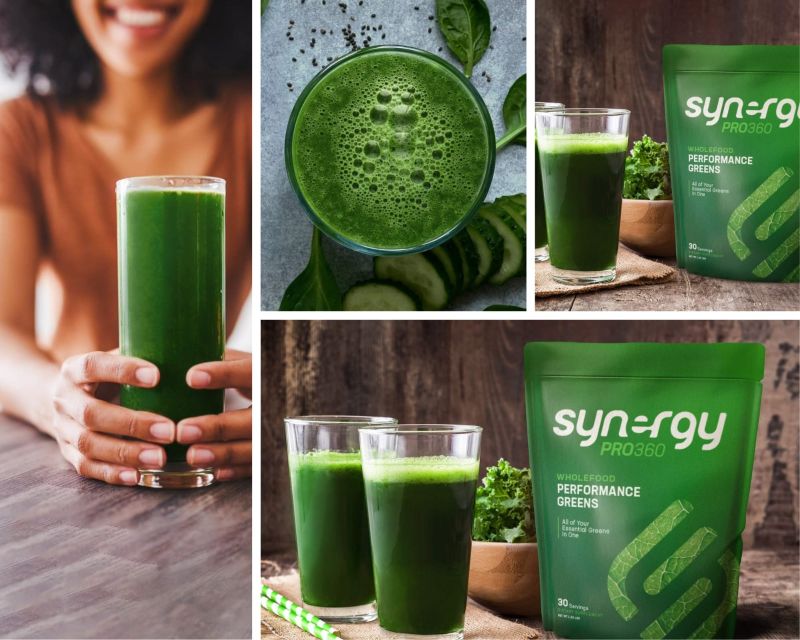
A single scoop mixed with 300-500 ml of water (according to taste) provides two full servings of vegetables. The impressive ingredient list in PRO 360 is for health not taste, but to my surprise it’s the best tasting green drink I’ve ever consumed.

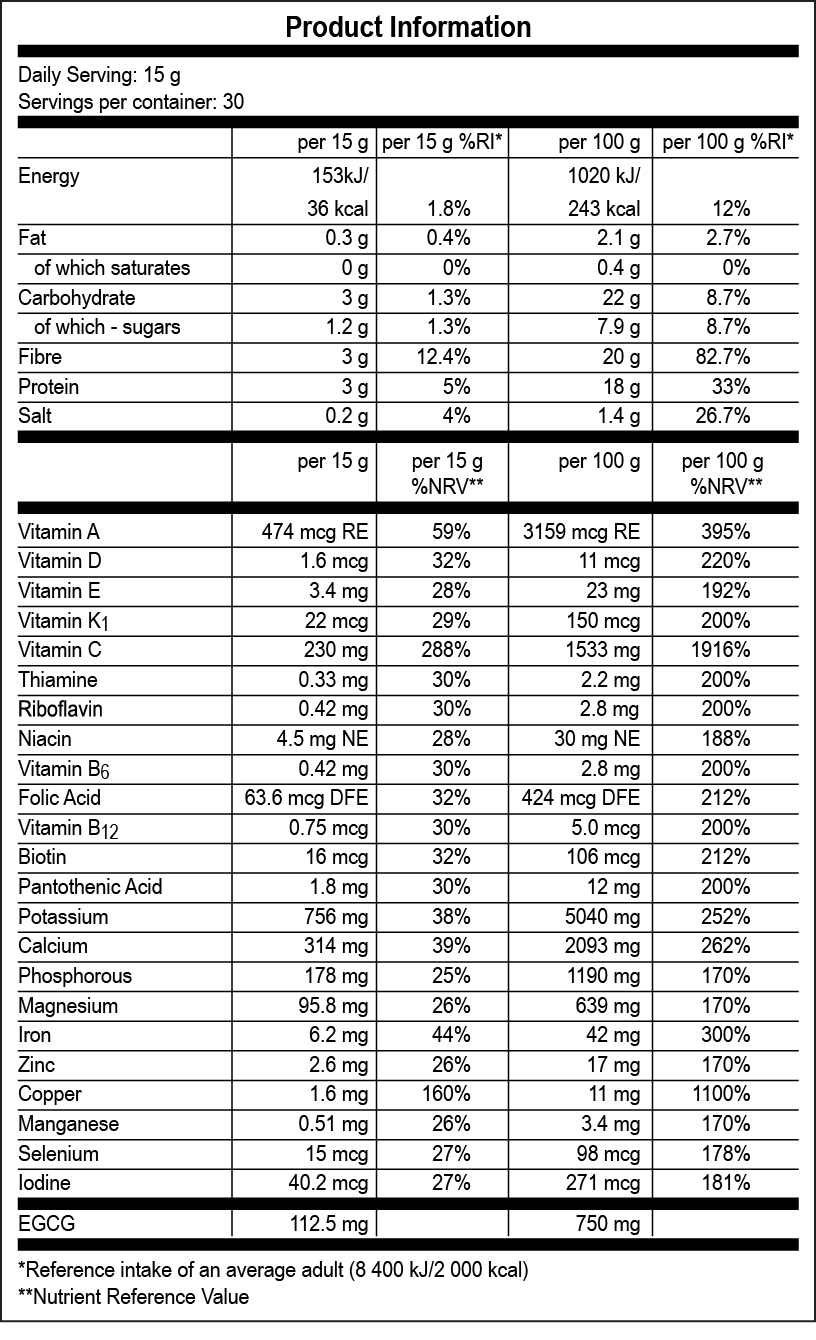
PRO 360 contains wholefood fibre, insoluble fibre to aid digestion, upcycled fruit fibre and polyphenols. Traditional changes in diet can take 30-60 days to make a difference in how you feel, but Synergy wanted people to feel immediate results.

They have therefore also added clinically evaluated levels of 4 different adaptogens and nootropics. The doses in PRO 360 are equivalent to those in clinical trials: 400mg of Schisandra to have a mood boosting effect, as well as reducing fatigue and a feeling of satiety. The effect of the adaptogens lasts for up to eight hours.
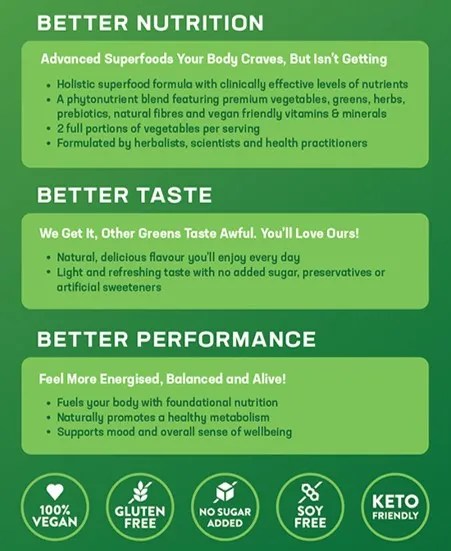
It has half the daily serving of Choline, which is critically important for nerve function and energy. Overall PRO 360 Wholefood Performance Greens has been formulated to improve metabolic health, help with weight management and to make you feel more relaxed and balanced. The effect of taking the drink regularly has cumulative benefits.

This is easy and convenient nutrition that will will the gaps in your nutritional intake. It can also be blended into a smoothie to ensure nutrition for younger, fussy eaters.
It can be a bit overwhelming to know where to start with your diet, so I would recommend taking my online health check questionnaire, which will give you a snapshot of your health and highlight the most important areas to focus on.

The main factors involved in wellbeing are diet, exercise, sleep and emotional/mental states. Mind, body and spirit are inseparable when it comes to our health…

Image by David Clode on Unsplash

Diet is a good place to start, and as Dr David R Hawkins used to say, it is the higher Self with a capital S that reminds us to take our vitamins!

“The road to health is paved with good intestines!”

Sherry A. Rogers

Why Epigenetics is the Most Exciting and Promising Science in the World

“We don’t just inherit our biology, we impact our biology.”
~ David Shenk

I’ve got some bad news and I’ve got some good news: your body’s superstructure is constantly under revision, based on how you live your life.

In the field of epigenetics this is known as gene expression. The brain, mind, genome and microbiome (or second genome), can all act as a single system, influencing our level of well-being at any given moment.

Epigenetics is a seriously hot topic in the scientific community right now, possibly poised on the edge of breakthroughs we can only dream of at the moment. Dr. Bruce Lipton calls it the science of human empowerment.

Epigenetics is the study of changes in organisms caused by modification of gene expression rather than alteration of the genetic code itself. Our genetic blueprint is fixed for life (hardwired), but how our blueprint manifests is not.

Although the recent scientific breakthrough of CRISPR could change that…

Our genes are physical blueprints to make proteins, the primal element of life, and there are around 150,000 proteins in the human body. ‘Protein’ hails from the Latin for ‘primary particle’.

Behind the scenes of your interesting genes

Epi comes from the Greek for ‘upon’, the study of what is on top of genetics. We may have inherited ‘hardwired’ genes from our parents, but the science of epigenetics shows us that it’s environmental signals that control biology.

In physical terms, epi refers to the sheath of proteins and chemicals  that cushion and modify each strand of DNA. The entire amount of epigenetic modification of the DNA in the body is known as the epigenome.

“Our genes are a predisposition, but they are not our fate. The biological mechanisms that affect our health and well-being are often extraordinarily dynamic – for better and for worse. When we eat well, move more, stress less, and love more, our bodies often have a remarkable ability to transform and heal.”
~ Dean Ornish M.D.  (founder and president, Preventative Medicine Research Institute, and Clinical professor of medicine, University of California, San Francisco).

Earth’s 3 billion year old genetic legacy is present inside everyone. Human DNA is an unbroken evolutionary genetic chain containing eons of cellular memory that each of us shares, and it is responsive to everything that happens in our lives.

The DNA that’s present inside our cells is magnificent – a complex combination of chemicals and proteins that holds the entire past, present, and future of all life on our planet.

“If DNA is the storehouse for billions of years of evolution, the epigenome is the storehouse of short-term genetic activities, both very recent and extending back one, two or several generations.
Epigenetics is the study of whether the memory of personal experience – yours, your father’s, your great-grandmother’s may be immediately passed on.”
~ Deepak Chopra & Rudolph Tanzi (Super Genes).

An environmental toxin can trigger epigenetic changes, but so can a strong emotion like fear, as seen in studies on mice.

A basic overview with Dr. Carlos Guerrero-Bosagna :

How we react to our daily life, physically and psychologically can be passed on through ‘soft’ inheritance.

Epigenetics and pregnancy

Sadly, through my pregnancy and at the time my eldest son was born, I was under severe emotional and mental stress, and I’m sure this affected him in utero. I also had gestational diabetes.

I was let down by the health system when he was a young child. It took until his teens to get a diagnosis (high functioning) on the the autism spectrum, and he has battled debilitating bouts of depression, anxiety and insomnia.

In Super Genes I read about a Dutch study which concluded that if new mothers are stressed, their stress actually changes the microbiome of their infants. Disturbances, or dysbiosis of the microbiome is now thought to be a major factor in developing autism.

Photo courtesy of Heather Mount via Unsplash

But there is positive new science about this. This interesting article talks about how the consequences of trauma can be reversed.

Hindsight and education is a wonderful thing…

I have myself experienced a ‘softwired’ memory and love of classical music from my mother, who used to play Chopin and Beethoven piano sonatas when she was pregnant with me.  Music has always played a positive, defining role in my life.

The Hongerwinter

Chopra and Tanzi expand on what they see as the most far-reaching epigentic human study done to date, which was on the effects of the Dutch famine, the Hongerwinter (“hunger winter”).

The Nazis, who were in the early stages of facing defeat, enforced a food and supplies embargo during the harsh winter of 1944-45. Food stocks in Western Holland soon dwindled and daily adult rations in Amsterdam dropped to below 1,000 calories by the end of November 1944, and then to 580 calories by the end of February 1945 – only one quarter of the daily calorific intake required for health and survival in an adult.

The starving population subsisted on mostly hard bread, small potatoes, sugar, and very little protein. Humanity’s evolutionary inheritance has given us the ability to survive long periods of malnutrition; but not without consequences. The body slows down to conserve energy and resources. It’s estimated that 18,000 people perished through starvation and issues relating to malnutrition.

Much of this ability to adapt is from epigenetic changes in the activities of our genes. The Hongerwinter study went on to discover that DNA changes brought on in adult life can be inherited by the next generations. The children born to Dutch famine survivors revealed just this.

Investigators from Harvard University obtained detailed health and birth records from this era, and as expected, babies born during the famine often had severe health issues. Those babies in the womb between the third and ninth month of the famine were born underweight. Surprisingly, babies growing in the mother during the first trimester towards the end of the Hongerwinter, on the cusp before food supplies returned – were actually born larger than average.

There were more surprises in store as these offspring were again studied after they reached adulthood. It was found that those born during the famine were highly prone to obesity compared to those who were born outside the famine. The study found  a doubling of obese individuals among those in the womb in the second and third trimester during the famine.

They concluded that some kind of epigenetic memory was involved.

The Dutch study highlighted the life-long effects of prenatal experiences that cause changes in the genome.

I remember seeing a very moving documentary a few years ago about the beautiful and much loved actress Audrey Hepburn, about when she was a child growing up in the Netherlands during the famine. As an adult she suffered from anemia and bouts of clinical depression.

“No self is of itself alone…the ‘I’ is chained to ancestry by many factors.” ~ Erwin Schrodinger

When we are born in normal circumstances our metabolic systems are in perfect balance, but diet, lifestyle and environment affect our genes on a daily basis. Dr. Bruce Lipton asserts that our genes do not control our biology, but that WE control our genes with consciousness and life experiences.

This implies that we can affect what signals reach our genes by our mindset and lifestyle.

This is good news, as it means that we are not victims! Rather like a river, our genes are fluid, dynamic and responsive to everything we think and do.

What we eat, drink, how we exercise and the stress we endure are all things within our control to a large degree.

Your genes are not your destiny

I explained about the Human Genome Project (HGP) and the Human Microbiome Project (HMP) in a previous post: What You Need to Know about the Most Influential Organ in Your Body.

The Human Epigenome Project (HEP) follows on from the HGP and the HMP, and is all about learning how to make our genes help us, (including our microbial genes which massively outnumber our human genes), assuming the Supergenome is a willing servant waiting for our instructions.

If the genome is the architect’s blueprint of life, the epigenome is the engineer, construction crew, and facilities manager all in one. Mastering the controls is our individual responsibility.

Each of us is incredibly fortunate that our bodies can run automatically with almost total perfection for decades at a time. But unless we participate in our own well-being, sending conscious messages to our own genes, by our intentions and actions, running on automatic isn’t enough.

Radical well-being requires conscious choices. When you make the right choices your genes will co-operate with whatever you want. On the other side of the coin genetic changes can be quite drastic when no one is in control.

The wisdom of cells

Another light bulb moment for me from the book, Super Genes is the observation that cells don’t push themselves beyond their limits. That is a trait of consciousness. A cell heeds the slightest sign of damage  and rushes to repair it. A cell obeys the natural cycle of rest and activity, it embodies the deep understanding of life embedded in its DNA.

When human consciousness and environmental factors are added to the equation we can become disconnected from our body’s innate intelligence.

Microbiomics

“All evolution is co-evolution.” ~ Stuart Kaufmann

As scientists discovered in the HMP, bacteria, (which outnumbers human cells 10 to 1), is fundamental to gene expression. There are more micro-organisms living in the G.I. tract than there are cells in our bodies. Collectively these symbiotic microbial communities, living inside us and on our skin, are termed the Microbiome.

The inner eco-system that constitutes the gut microbiome makes digestion possible.

Your birth is the start of your life and your microbiome

Our microbiome is seeded when we are born. Our gut is sterile in utero and gets its first exposure to bacteria from the birth canal and then through breastfeeding, (as milk contains important prebiotics to feed these essential microbes and build up the gut microbiome). The microbiome becomes stable around age 2-3 and is unique to each individual, like a genetic microbial fingerprint.

There are ramifications to lifelong health for babies that don’t benefit from either natural birth or breastfeeding, which potentially makes them more vulnerable to allergies, food intolerances, autoimmune diseases and childhood obesity, all of which are on the rise.

“In effect, a baby born by C-section is likely to miss out on receiving the special payload of the mother’s vaginal and intestinal microbes. These microbes are supposed to be the first arrivals of the gut microbiome ‘colonisation party’. As we’ll see in the next chapter, a lack of exposure to them could impact the optimal training of the infant immune system.”
~ Toni Harman & Alex Wakeford (The Microbiome Effect).

The authors made an insightful documentary about how the human microbiome is seeded called: Microbirth.

In their brilliant book, SuperGenes, Deepak Chopra and Rudolph Tanzi paint a compelling picture of how everything we are affects everything we are and do. It is fascinating that every person is a biological encyclopedia, and every new generation writes a new chapter in human evolution.

They assert that evolution’s greatest triumph is not the complexity that has risen out of the primordial soup, but ‘memory’. Memory is what made life possible. Chopra and Tanzi go as far to say that the antibodies in our immune system contain the memory of all diseases confronted by the human race.

“Genetics tells us that any past experience, good or bad, is sticky, because it has taken place, using chemical bonds deep inside the cell, in the nucelus where DNA resides. In a molecule of salt, atoms of sodium and chlorine are tightly bound together. A lot depends on their remaining stuck, because if you poured out some salt and it separated into its components, the release of chlorine gas would be poisonous. Life is about the persistence of memory.”
~ Deepak Chopra & Rudolph Tanzi

Identical twins – one on Earth, one in space

NASA used Captain Scott Kelly’s year in space to conduct tests between him and his identical twin brother, Captain Mark Kelly, who remained on Earth. They compared their identical DNA to ascertain the impact of physiological changes on the human body in a zero gravity environment for a prolonged period of time.

The Twins Study did indeed reveal that Scott’s 340 days in space effected epigenetic changes, as preliminary findings showed that 7% of his altered gene expression was yet to return to normal.

https://youtu.be/NpdwOdi3Xt0

Threats to well-being

Let’s face it, ultimately none of us are getting out of here alive, but the goal is to live as old and young as possible. It’s about quality of life. The major constant threats to well-being are illness and aging, a predisposition to certain diseases and genetic mutations.

“But DNA isn’t really like that. It’s more like a script. Think of Romeo and Juliet, for example. In 1936 George Cukor directed Leslie Howard and Norma Shearer in a film version. Sixty years later Baz Luhrmann directed Leonardo DiCaprio and Claire Danes in another movie version of this play. Both productions used Shakespeare’s script, yet the two movies are entirely different. Identical starting points, different outcomes.”
~ Nessa Carey, The Epigenetics Revolution

The science of human empowerment

The top six categories to focus on for optimising your genetic destiny all involve the epigenome, microbiome and brain:

  1. Diet
  2. Stress
  3. Exercise
  4. Meditation
  5. Sleep
  6. Emotions

How epigenetics, our gut microbiome and the environment interact to change our lives.

Optimal Health (a state in which all the boy’s systems are operating properly), can be achieved by being proactive in our attitude and habits relating to our well-being. As an elite health coach, my aim is to help people reach their optimal health, what I call elite health – which is the pinnacle of wellness – where age does not dictate ability.

The three main reasons we don’t have optimal health are diet, lifestyle and the environment

Almost a thousand years before DNA revealed its first secret, the mystic Persian poet Rumi took the same journey. He looked over his shoulder to tell us where the road leads:

Motes of dust dancing in the light
That’s our dance too.
We don’t listen inside to hear the music-
No matter.
The dance of life goes on,
And in the joy of the sun
Is hiding a God.

~ Deepak Chopra & Rudolph Tanzi (Super Genes)

In my next post I’ll be covering nutrition, supplementation, lifestyle and environmental factors (especially toxicity), all a major influence on our body’s genetic switching centre.

We should collectively be asking ourselves, how much more vibrant and healthy can we be when we nurture and nourish the 90% of us that is microbial?

Before my life changing experience with a 21 day gut health programme I came to accept that feeling under par was my new normal. I came to accept that my weight gain was an inescapable part of having had four children. But now, in middle age, I am in the best shape of my life since my mid twenties in every respect. I now know what it feels like to have my inner eco-system working for me rather than against me.

This is why I am passionate about helping people re-balance and reset the powerhouse of their health – their gut microbiome. In fact I have turned into something of a gut geek!

If you have made it a goal to achieve better health and energy in 2019, then the gut is the best place to start.

“If there’s one thing to know about the human body; it’s this: the human body has a ringmaster. This ringmaster controls your digestion, your immunity, your brain, your weight, your health and even your happiness. This ringmaster is the gut.” ~ Nancy Mure

The Way Gut Bacteria Affects Anxiety and Depression Will Blow Your Mind

 “Every molecule in your brain starts at the end of your fork.” ~ Dr. Drew Ramsay (Nutritional psychiatrist).

Have you ever had a gut feeling about a person or a situation, or perhaps had butterflies in your stomach? Has hunger ever changed your mood? It certainly brings on grumpiness in my children!

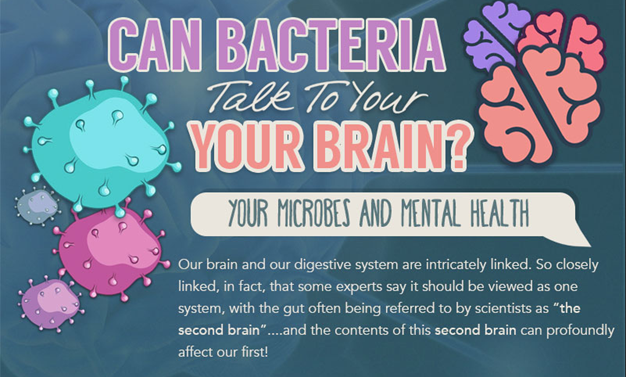
Our digestive system and brain are physically and biochemically connected in a number of ways, meaning the state of our gut microbiome can alter the way our brains work and behave, giving a whole new meaning to ‘food for thought’!

In my first post, What You Need to Know About the Most Influential Organ in Your Body I covered some pretty startling facts about the microbiome, but today I’m focussing on how the second brain in our gut microbiome can literally ‘speak’ to the brain in our heads, controlling mood as well as impacting on our mental health.

#MicrobiomeMorsel: There are more microbes in the gut alone than there are cells in our bodies.

Lifestyle and the Microbiome

Hippocrates was telling everyone back in 400 BC that all disease begins in the gut, and that food is your medicine.

Life in the 21st century has strayed a long way from this ethos. Global populations live mostly in urban areas and are exposed to Persistent Organic Pollutants (POPs,) such as Glyphosate which is prevalent in the western food chain. We lead busy, stressful lives, with many relying on shelf-stable, processed food that is high in sugar and salt, with no nutritional content, which have been designed and marketed for taste buds and not for health.

Simple carbohydrates such as pasta and white bread are another nail in the coffin. Whilst we all resort to pizzas and fast-food once in a while, it’s worth remembering that on a regular basis, convenience kills. And it kills us with a raft of modern plagues because it is damaging our microbiota.

If we don’t feed our microbiota with the food to make them flourish then we are self-harming at a fundamental level.

Western medicine, it seems, has a pill for every ill. Drugs are adding to the problem rather than solving it – what has been termed rather aptly as ‘Pharmaggedon’.

There are 50 million prescriptions for anti-depressants every year in the UK alone.

Poor gut health is the root cause of the global health crisis we see today: obesity, diabetes, allergies, auto-immune and disgestive disorders, and believe it or not, mental health challenges like depression, anxiety, OCD and autism.

Obesity and diabetes alone threaten to bankrupt the NHS in the next 10 years unless as a society we take a more proactive attitude to our wellbeing.

I’ve said it before, but it’s worth repeating: If you fix the gut, you fix the problem!

The genes contained in the microbiome outnumber our human genes by 100 to 1 – and by that reckoning we are only 1% human! We are literally walking bacterial colonies. Humans have evolved over millennia alongside these micro-organisms in a symbiotic relationship.

The Invisible Universe of the Human Microbiome:

The friendly, essential bacteria helps us to synthesise and absorb nutrients, control appetite, manage weight, make short chain fatty acids (SCFA’s such as Butyratethe primary source of fuel for the cells of the colon), activate our genes, regulate metabolism, signal the immune system (of which 75% resides in the gut), and affect our mood and skin.

Harmful pathogens can upset the balance and if not rectified, a toxic gut microbiome will evolve, known as dysbiosis– a dangerous state indeed.

Causes of Dysbiosis

In addition to a poor diet, a toxic environment caused by traffic pollution, pesticides/heavy metals in food, personal and household products; emotional stress is also a big factor. Because the microbiome is so sensitive, even two hours of severe upset and worry can have a negative impact.

When we are under emotional stress our bodies are gearing up for an emergency response, and need extra fuel, therefore using more of the amino acid L-Glutamine, which is stored in the gut lining.

The mucous membranes are the primary interface between the external environment and the internal environment of the body. Most absorption of nutrients and toxins occurs across the mucous membrane. Most pathogens enter the body by binding to and penetrating the mucous membranes.

If this becomes ravaged over time the damage to the gut lining causes leaky gut, where pathogens escape through the now permeable gut wall, and can travel all over the body, igniting many potential health challenges.

Inflammation starts in the gut but generally ends up manifesting in any number of symptoms:

  • Constipation/diarrhea – many people who suffer with depression also suffer with constipation or dysfunction of the gut.
  • Gas and bloating
  • IBS
  • Joint and muscle aches and pains
  • Anemia
  • Increase in allergies
  • Chronic fatigue
  • Immune dysfunction

Inflammation Assesment Quiz

The Second Brain

Our gut microbiome is part of the Enteric Nervous System and weighs about the same as our brain. Even though our brain only makes up 2% of our body weight it uses up to 20% of our energy resources. Inflammation in the Gastrointestinal tract also directly impacts the levels of the feel good chemicals of serotonin and dopamine in the brain.

Through evolution our species has had 4 billion years of optimising inter-cellular communication. Our second brains have 100 million nerve cells sandwiched in between layers of the gut which regulate digestive processes. These nerve pathways go both ways, but predominantly travel from the gut to the brain via the Vagus Nerve.

These powerful neurotransmitters and sensors communicate with our brain which then processes the information and acts accordingly. The second brain can survive being cut off from the brain via the Vagus Nerve but cannot generate conscious thought.

A fascinating TED talk about how our bellies control our brains by Ruairi Robertson:

Moody Microbes!

A whopping 95% of the serotonin used by our bodies is stored and produced in the gut in special cells; by far the largest store of that molecule that plays such a crucial role in modulating our mood and wellbeing, appetite, pain, sleep and sensitivity.

Serotonin is synthesized in the gut from precursors that come from the food we ingest, because the microbes that live in our gut microbiome produce powerful mood regulating neurotransmitters.

It is estimated that 60% of chemical production in the body is due to signals that come from our gut bacteria.

Food for thought…

The food you eat determines the bacteria you grow in your ‘gut garden’.  Bacteria turn on different genes, and genes either prevent or activate disease. Bacteria follow the diet not the other way around…

Ladies, be aware that the contraceptive pill depletes vitamin B12, folate, zinc levels and kills off beneficial bacteria. When certain beneficial bacteria are missing from the microbiome, so is their protection from disease.

Cravings – the devil in your gut!

In my best Bridget Jones moments I used to regularly sit and consume a whole bar of Galaxy after my evening meal. I felt powerless to resist these cravings.

If bad bacteria and fungi such as Candida Albicans get out of control they communicate via the information highway from the gut to the brain that you must consume sugar, which they thrive on. It’s almost impossible to resist.

The more they get fed the more they crowd out the good guys and the more acidic our bodies become, creating a cycle of cravings for carbs, sugar and chocolate, continually feeding our harmful bacteria, creating a vicious cycle of dysbiosis and ultimately disease.

In my next installment I’ll cover the best foods and nutrients that promote a well balanced gut microbiome, as well as a holistic supplementary 21-day programme that turned my gut health around.

When you reset the gut and alter your body chemistry these cravings disappear – they did for me. Since last October chocolate has had absolutely no control over me whatsoever. Seven months and counting!

Helping people to improve their energy levels and overall health and wellness is a passion for me, so I will soon be setting up an Elite Health Page on the main menu, with links to my health articles (and others), as well as the Holy Grail of supplements I personally use to achieve elite health.

Until the next time, be well.