A Study of J.S. Bach’s Baroque Violin Masterpiece: The ‘Chaconne’ in D Minor

“I was raised on Bach.” ~ Daniel Barenboim

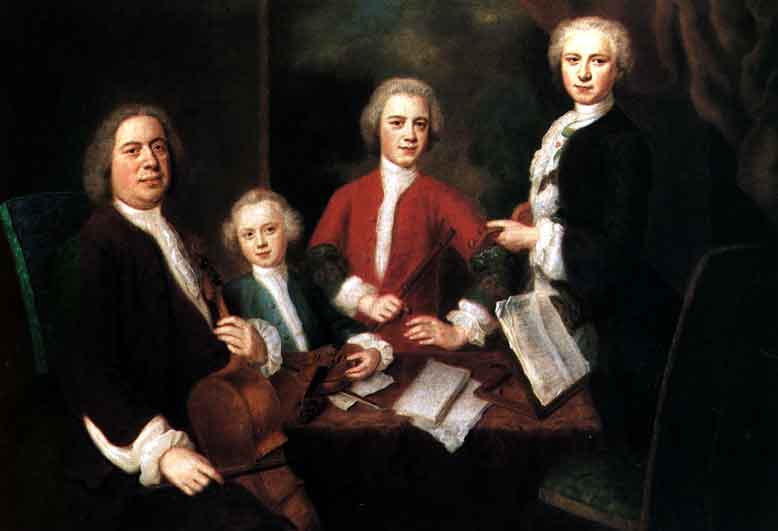
Johann Sebastian Bach was one of the most dedicated, gifted and prolific composers that ever lived. Born in Thuringia in 1685, just a few days after fellow composer Handel; he was an accomplished organist, and his faith in the divine inspired him to write a substantial oeuvre of immortal music.

“Bach” is the German word for “brook”, hence Beethoven’s famous quote, ‘Not Brook but Ocean should be his name.’ Beethoven also referred to him as, ‘the immortal God of harmony.’

He wasn’t universally recognised as a great composer until the beginning of the 19th Century when Felix Mendelssohn championed his works, and later, by Pablo Casals, who was the first cellist to record his cello suites. What great artist is truly appreciated during their lifetime?
He hailed from a musical family, and is the patriarch of Europe’s largest musical dynasty. He fathered twenty children, seven with first wife and second cousin, Maria Barbara Bach, (only four survived into adulthood) and a further thirteen with his second wife, Anna Magdalena Wilcke, of which six made it past infancy and childhood.

All of his offspring were musicians, and two of his sons became notable composers in their own right: Carl Philipp Emanuel and Johann Christian Bach. J.S. Bach left the world an artistically and spiritually enriched place. No ordinary life…

His music spans time and space; three of his compositions were on NASA’s Voyager record, Music From Earth. Bach’s devotion to God shines through in his music, which speak to the soul on a primal level, regardless of one’s religious orientation. He was a rare genius indeed.

Brahms-Quote1

“I think that if I were required to spend the rest of my life on a desert island, and to listen to or play the music of any one composer during all that time, that composer would almost certainly be Bach. I really can’t think of any other music which is so all-encompassing, which moves me so deeply and so consistently, and which, to use a rather imprecise word, is valuable beyond all of its skill and brilliance for something more meaningful than that — its humanity.” ~ Glenn Gould

As a violinist, (other than Beethoven), he is my favourite composer to play and listen to, and I always play Bach at every practice session. He gives me a workout for my spirit, as well as my fingers and my brain. His sonatas and partitas for solo violin are essential repertoire for any violinist, not to mention his violin concertos.

But the ‘Chaconne’ in particular, (along with the adagio of the double violin concerto) touches me very deeply. It is a dance, and the minor key gives it a slightly melancholy feel; which is understandable, as it was written after his wife had died. If you are not already familiar with the work you are in for a treat. Immerse yourself in the music…

From Wikipedia:

The ciaccona (commonly called by the French form of the word, chaconne), the concluding movement of Partita No. 2 in D minor, BWV 1004, surpasses the duration of the previous four movements combined. Along with its disproportional relationship to the rest of the suite, it merits the emphasis given it by musicians and composers alike. The theme, presented in the first four measures in typical chaconne rhythm with a chord progression based on the repeated bass note pattern D D C♯ D B♭ G A D, begets the rest of the movement in a series of variations. The overall form is tripartite, the middle section of which is in major mode. It represents the pinnacle of the solo violin repertoire in that it covers every aspect of violin playing known during Bach’s time. It is still one of the most technically and musically demanding pieces for the instrument.

Yehudi Menuhin called the Chaconne “the greatest structure for solo violin that exists”.

Violinist Joshua Bell has said the Chaconne is “not just one of the greatest pieces of music ever written, but one of the greatest achievements of any man in history. It’s a spiritually powerful piece, emotionally powerful, structurally perfect.” He played the piece busking in L’Enfant Plaza for the Washington Post.

Piano transcriptions:

Since Bach’s time, several different transcriptions of the piece have been made for other instruments, particularly for the piano (by Ferruccio Busoni and Joachim Raff), and for the piano left-hand (by Brahms).

Johannes Brahms, in a letter to Clara Schumann, said about the Ciaccona:

On one stave, for a small instrument, the man writes a whole world of the deepest thoughts and most powerful feelings. If I imagined that I could have created, even conceived the piece, I am quite certain that the excess of excitement and earth-shattering experience would have driven me out of my mind.

Felix Mendelssohn and Robert Schumann each wrote piano accompaniments for the work.

I hope one day to be able to fully play the Chaconne. Maybe there is a teacher out there who can help me! The multi-stopping and chords are challenging to say the least. I must study Heifetz’s masterclass, but even that goes right over my head.

Reinvention:

His works lend themselves to transcriptions for other instruments more than any other composer I can think of. The composer and conductor Leopold Stokowski did many orchestral transcriptions of Bach’s works, as did Franz Liszt for the piano.

For me, there are three definitive solo violin recordings, (the original form of composition), which are by Menuhin, Stern and Heifetz. These clips perfectly illustrate the impact that personal interpretation and tempo have on the music:

I have listed below ten varied transcriptions I have enjoyed of this fabulous piece. Each conjures up a different mood. I’ll let the musicians do the talking…

Transcription for violin and piano by Schumann:

Piano version by Brahms for the left hand:

The Busoni piano transcription in a live performance by Marc-André  Hamelin:

It has to be John Williams on the classical guitar:

Orchestrated version by Leopold Stokowski:

Nicanor Zabaleta on the Harp:

Marimba:

ESP Saxophone group:

Viola:

This heartfelt Cello performance by Rustam Komachkov has oodles of rich, warm colours and soul:

Jean Rondeau on the Harpsichord:

“Bach is the supreme genius of music… This man, who knows everything and feels everything, cannot write one note, however unimportant it may appear, which is anything but transcendent. He has reached the heart of every noble thought, and has done it in the most perfect way.” ~ Pablo Casals

Which one is your favourite?

That’s it from me; I must get Bach to doing some more practice!

The Rewards of Letting Your Inner Child out to Play…

“One of the virtues of being very young is that you don’t let the facts get in the way of your imagination.”  ~ Sam Levenson

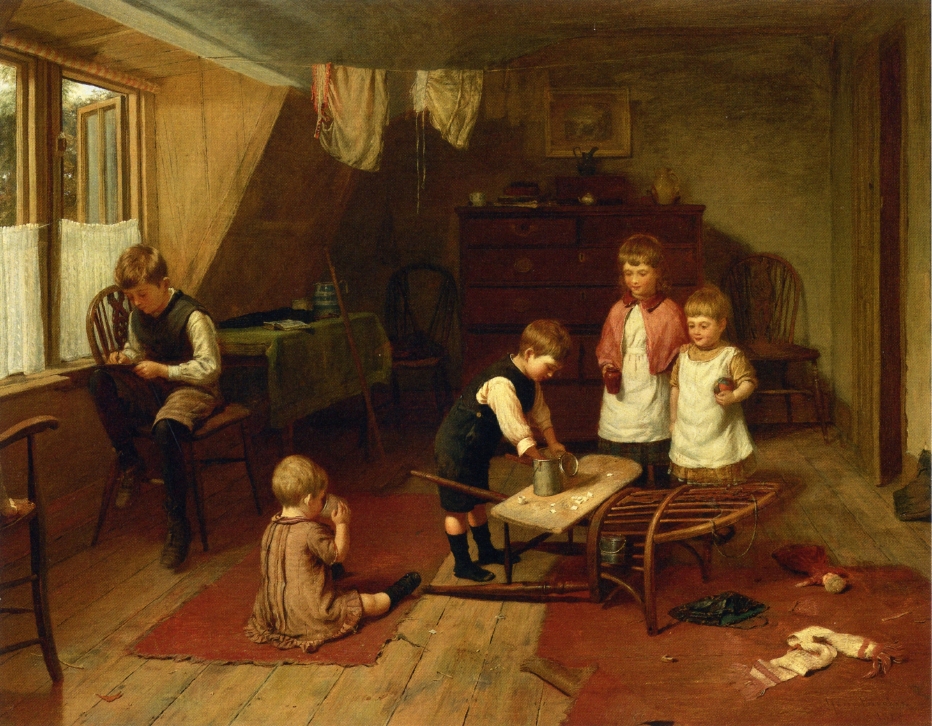
Children-at-Play by Harry Brooker‘You may say I’m a dreamer, but I’m not the only one…’ I can hear John Lennon’s immortal crooning in my mind. Isn’t that what children are so good at? They dream. They dream frequently, and they dream about anything they want, and they dream big. Left unfettered from cruelty, their minds are not naturally wired for questioning their self worth. They don’t think of excuses, they just follow their innate sense of curiosity and joy, they let their minds wander, and upon finding something of interest they become completely absorbed in whatever they are doing.

I love to watch Ruby play; she has such a vivid imagination. When she gets into her own little world she dresses up and tears around the house using whatever toys and props (usually kitchen utensils) are needed to fashion her make believe scenarios. If I call her name while she is ensconced in her imaginings she is completely deaf to me. Her excitement at what I would consider a mundane activity never fails to brighten my heart.

I think being a parent probably makes it easier to connect with our bounteous childlike energy, as our children help us to see the world through their amazed eyes.

Ignite Your Childlike State of Wonder:

How many of us can say at some point while we were growing up we were told by a parent, a teacher, or a well-meaning adult, ‘Stop daydreaming!’ It is misguided to think that so called ‘daydreaming’ is a negative trait. Far from it. This is the tool of creation. Creativity is inherently abundant in youngsters, and the school system with its rigid curriculum is not conducive to nurturing this very important aspect of a child’s development.

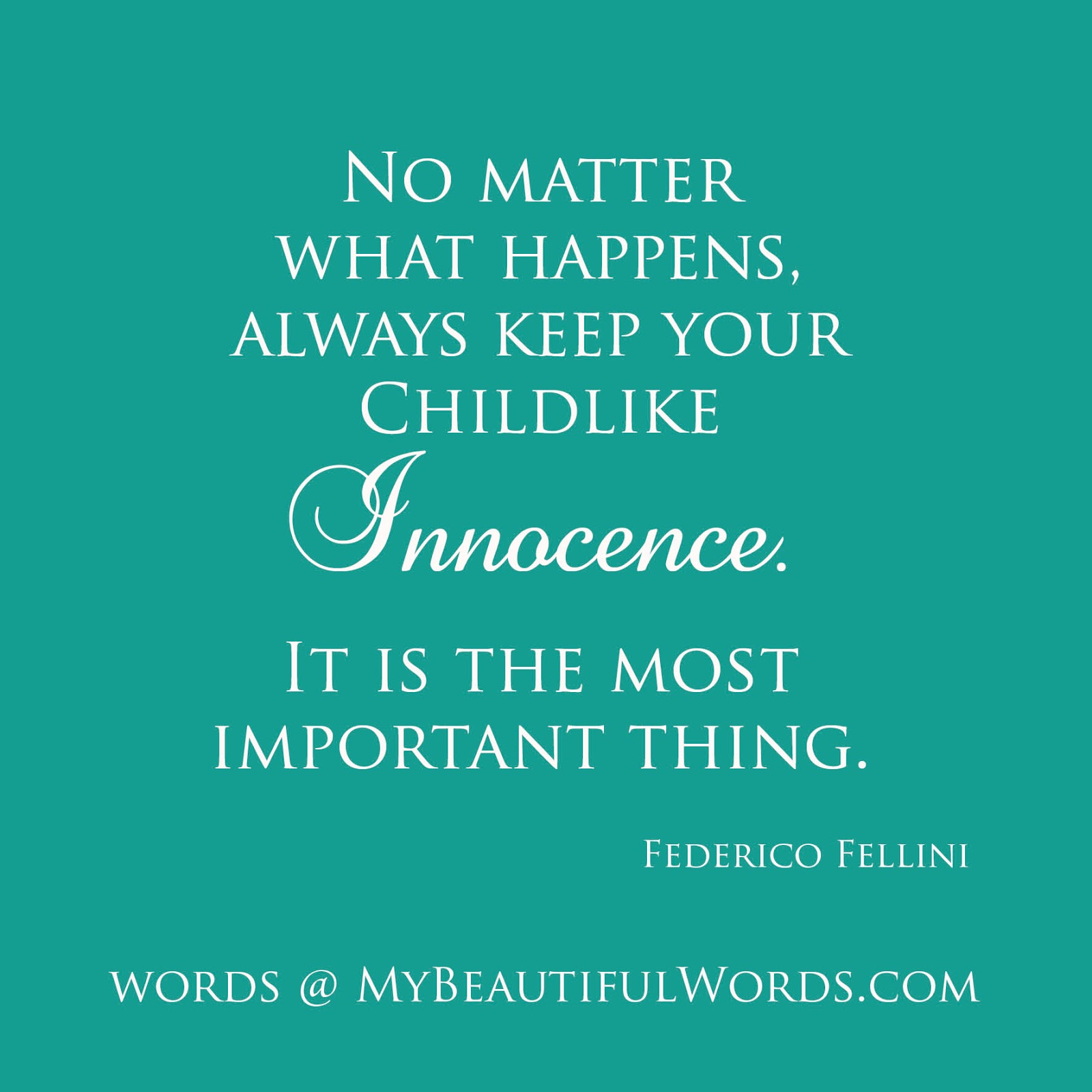
Federico Fellini - ChildlikeBy the time we reach adulthood most of us, (to some degree), have usually had the light of our dreams diluted or even drained out of us completely. A constant barrage of negative messages from the world around us can eventually drown out our intuitive childlike selves, fostering self-doubt within us instead. The mental baggage is accrued over time, and then it becomes so much harder to follow our dreams, for fear of failure. To be truly ourselves means letting go of other people’s expectations for how we conduct our lives. It means sticking our heads above the parapet. It takes courage to hold our dreams out in front of us like a lantern, glowing with the perseverance and faith that we experienced in our childhood.

“Creativity represents a miraculous coming together of the uninhibited energy of the child with its apparent opposite and enemy, the sense of order imposed on the disciplined adult intelligence.”   ~ Norman Podhoretz

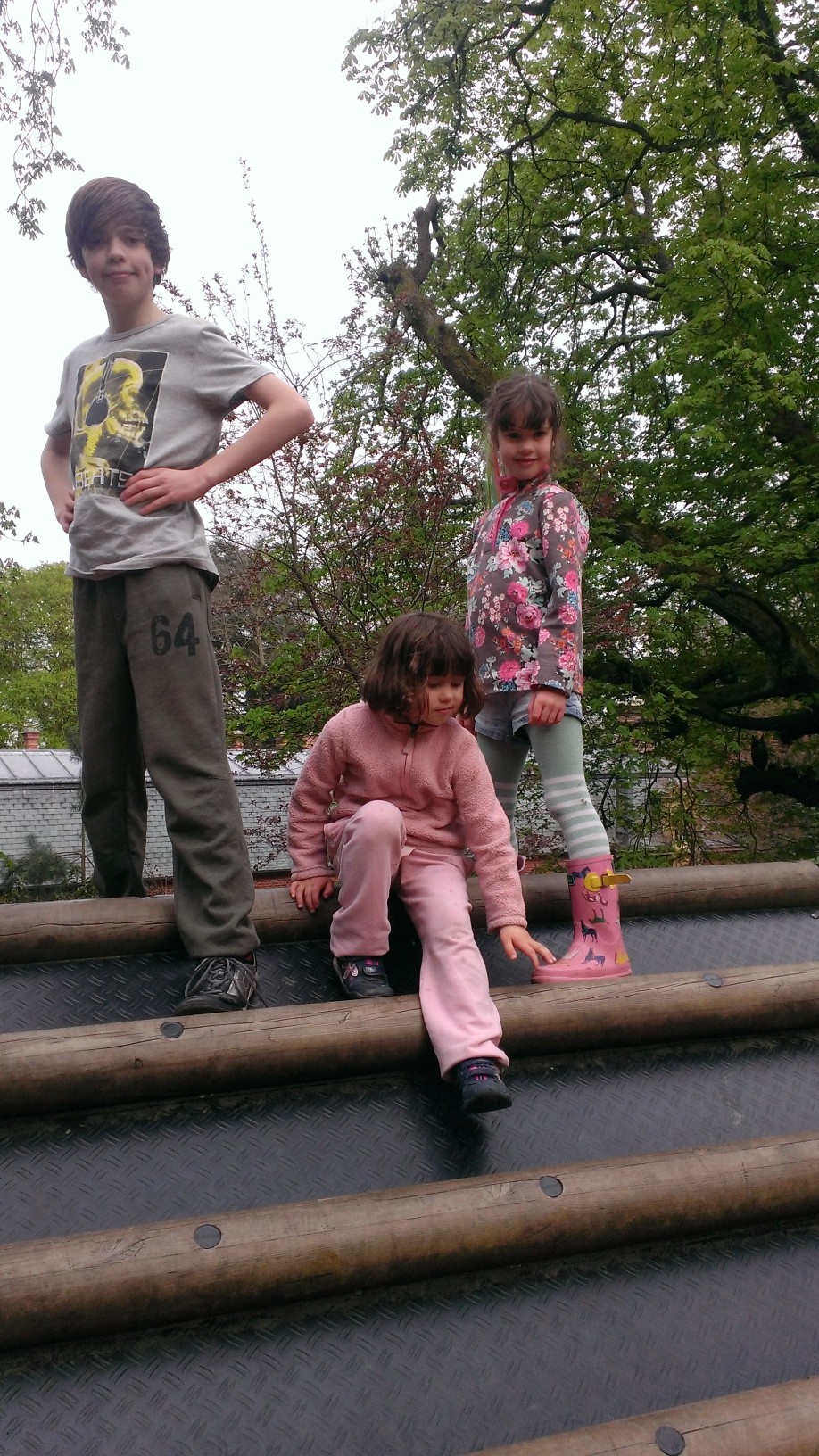
looking for adventure at Waddesdon ManorUnlike Peter Pan, we all grow up, (well, most of us!) but that doesn’t mean life has to be all serious. Although we have responsibilities, bills to pay and all the trimmings that go with adulthood to deal with; the inner child that dwells within each of us can make being an adult so much more fun. We have a responsibility to love, nurture and parent our own inner child. And when properly cared for, children are happy and they flourish. The benefits to us as individuals (and the people around us), of embracing our inner child are manifold: increased joy, laughter, spontaneity, love, emotional honesty, and chiefly, living in the present moment. We do not brood on the past or worry about the future when we are fully engaged in the now…

“Man is most nearly himself when he achieves the seriousness of a child at play.”  ~ Heraclitus

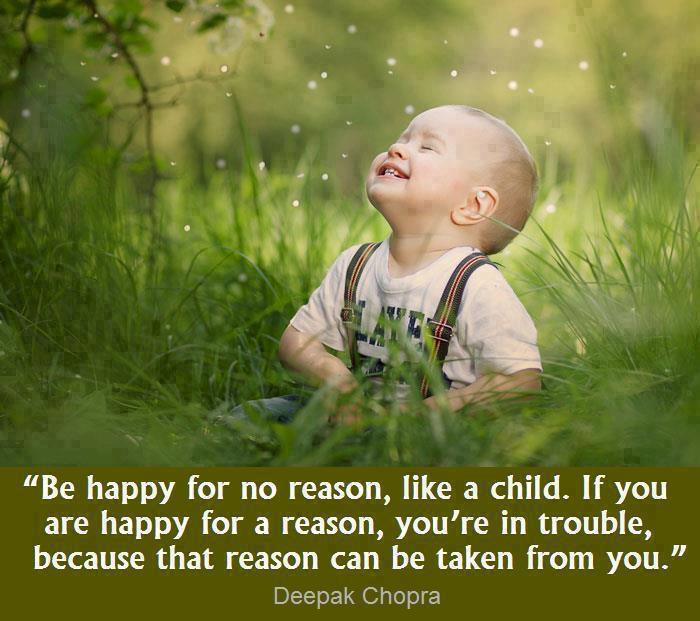
Deepak Chopra quoteI’m not promoting the kind of ‘throw your toys out the pram’ mentality of narcissistic demands or temper tantrums, dependency, neediness, petulance and general egocentric behaviour.  Neither am I suggesting that we live in a world of fantasy. But if we can access that playful and innocent side of ourselves, we can harness this enthusiasm in multifarious ways. We can use that sense of wonder and awe and intense focus (without judgement) in whatever endeavour we like, or indeed, even just to elevate our everyday lives. It is all about achieving that balance between our heads and our hearts. Not living life solely in our conceptual minds, or always wearing our hearts on our sleeves with complete naïveté.

The original Jungian Child Archetype was the basis for many theories and development of the modern term ‘inner child’ including the work of Dr Eric Byrne in Transactional Analysis, and study of the ego states: Parent Child, Adult.

Getting in touch with our feelings can sometimes bring up unresolved trauma or an emotional blockage. However, we can begin to heal when we become conscious of the past wounds our inner child has suffered. Suppressed pain can hinder our functioning at full capacity as an Adult and Parent.

I love this talk by Eckhart Tolle on being yourself:

To coin Ruby’s favourite word, existence is ‘awesome’.  Now I’ve got John Lennon in my head again! ‘I hope some day you’ll join us, and the world will live as one.’

Here’s my own mnemonic: Doing Really Exciting Activities Mindfully

Dream big!

Guarneri (del Gesù), Stradivari and Nagyvary – The Debate over Ancient Violins vs. Modern Masterpieces

“’Tis God gives skill, but not without men’s hand: He could not make Antonio Stradivarius’s violins without Antonio.” ~ George Eliot

When it comes to the value of violins, (and for that matter violas and cellos); provenance matters. The allure of such revered names is enough to send any stringed player into a frenzy…

Ultimately, the quality and rarity of Amati, Stradivarius and Guarnerius violins will render them more expensive than their modern counterparts, no matter how good and comparable the modern violins may be. With only around 600 Stradivarius instruments left in the world not everyone is fortunate enough to be able to play on one, (at least all of the time), let alone own one. And of course, the provenance greatly affects the asking price. Who has owned it, and when, who has played on it, what music has been written for it, the condition, these elements all add to the mystique and desirability of the instrument. Much like a work of art, a painting is worth what someone is willing to pay for it. And in many instances they pay millions.

OLYMPUS DIGITAL CAMERAPaganini’s violin, the priceless ‘Il Cannone’ was made by a contemporary of Stradivarius; Giuseppe Antonio Guarneri of Cremona, in 1743, and is famed for its power and resonance. Interestingly, when it needed maintenance and repairs, these were undertaken by luthier Jean Baptiste Vuillaume in Paris, who constructed a replica violin so precise in every detail that even Paganini could not distinguish one from the other! Eventually he came to recognise the slight differences in tone, and was able to tell the original by sound. The violin and its replica are kept on display in Italy at the Genoa Town Hall. Occasionally it’s lent to performers.

The Devils’s Violinist (trailer) – A film about Paganini, played by violinist David Garrett:

Jazz violinist Regina Carter recorded an album on his beloved ‘Il Cannone’ (Paganini: After a Dream). Here is the track After a Dream arranged from Faure’s classic:

The debate over the sound quality of ancient Italian violins compared with each other and mostly to their modern counterparts has endured for years. Virtuosos past and present, such as Fritz Kreisler, Jascha Heifetz, Isaac Stern, Itzhak Perlman, Nigel Kennedy, Midori and Sarah Chang have owned, or played, and in some cases preferred, Guarneri over Stradivari.

Amati violinWho can say exactly what that special ‘je ne sais quois’ is, that elevates the Cremonese creations from all other violins? There are so many aspects to making a stringed instrument, and to me it makes sense that skill in every area of construction affects the finished product.

I think it’s worth making the point that for most musicians it’s the relationship that they develop with their instrument that’s the most important thing. After so many hours of practice and performance the feel and touch and memory of every curve and angle is interwoven into your psyche, and it can feel like part of your body!

My own violin is Hungarian, (late 19th Century), and to me its tone is amazing, considering it’s probably a gypsy violin. That’s why I was so interested in the story of the Hungarian born Dr. Joseph Nagyvary.

As the violinist and heroine of my novel, Isabelle Bryant does get a little caught up in this debate. In my story, she plays the Nagyvary violin that was once played by Yehudi Menuhin.

Here’s a brief excerpt that touches on this subject from chapter 1 of The Virtuoso. The protagonist has just given a masterclass at the Royal Academy of Music:

She made her way south on the underground from Baker Street to London Victoria. The dreary grey sky hung like a heavy cloak over the platform. As the train jolted to halt she quickly found a seat by the window, and nestled her case vertically between her feet and knees. As more passengers entered the carriage she touched the edge of her violin case lightly, smiling with resigned humour as a passing stranger made a joke about her carrying a machine gun.

Her violin represented another limb to her, it was that precious. It felt so natural, like an extension of her body. She gently rubbed her neck which was feeling a little sore. The rough, red patch of skin on her neck just below her jaw was often mistaken for a love bite, when in fact it was what she affectionately referred to as a violinist’s hickey. Many hours of gruelling practise had left their marks.

Her mind drifted to her earlier private viewing of the Academy’s museum, where she had been shown round by the curator in person. She had spent a blissful afternoon paying particular awe and reverence to their recent acquisition of Italian virtuoso Giovanni Battista Viotti’s 1709 Stradivarius, renamed as the Viotti ex-Bruce to honour its British donor, which the Academy extolled as one of the most important and well preserved Stradivarius violins in the world.

She had studied the sheen of the dark, pinky brown maple, picturing the old master craftsman huddled in his workshop in northern Italy; surrounded by the distinctive wooden shapes that would become so valuable over three hundred years later. Sadly there were so few of them remaining.

Her own violin, a modern Nagyvary, was crafted by the eminent Hungarian professor Joseph Nagyvary, who had spent his life studying the craftsmanship of Cremonese violin makers; namely Stradivarius and Guarnerius.

Nagyvary violins were made as closely to those of the ancient genius as possible, and there had been many debates about whether or not they actually sounded as good as those of the master. Isabelle adored its sonorous tonal qualities and projection power. If a Nagyvary violin had been good enough for Yehudi Menuhin to play for fifteen years, then it was good enough for her. Gerry, in his nothing is too much of a challenge for me attitude, had managed to do a deal with Joseph Nagyvary to loan Isabelle the instrument indefinitely.  It was her most precious possession – except that she didn’t own it.

Here is an interesting article in Scientific American

Can you tell the difference?

Dr Nagyvary discovers what preserved the violins from Cremona and Venice:

The Stradivarius Mystique – By Joseph Nagyvary

New York Times Article: What Exalts Stradivarius? Not Varnish, Study Says

Smithsonian: Scanning a Stradivarius

List of Stradivarius Violins and their provenance

Wonderful video from the Library of Congress with Peter Sheppard Skaerved, an award winning British violinist, who has performed on ‘Il Cannone’ five times.

An Introduction to Stradivari:

The mystery and romance of centuries old Italian violins has filtered into film making, with the brilliant 1998 movie, The Red Violin. The actual violin that inspired the Red Violin is Stradivari’s 1721 ‘Red Mendelssohn’, currently owned by Elizabeth Pitcairn, heiress to the PPG fortune, whose grandfather purchased it for her 16th birthday at auction for $1.7 million at Christie’s in London.

And on that note, I will leave you with the hauntingly beautiful soundtrack to the film, composed by John Corigliano and performed by Joshua Bell on his Gibson ex-Huberman Stradivarius:

Auditioning, Acting and Parallel Parking – Random Experiences of a Child Actor and his Mum!

My youngest son, William Chapman, who is now 12, has been attending the Jackie Palmer Stage School in High Wycombe since he was about 4 years old. He has learnt a great deal in his time there, and whilst he doesn’t enjoy singing and dancing so much now he’s a teenager, he is passionate about acting and drama.

rsz_wills_and_daniel2 (2)

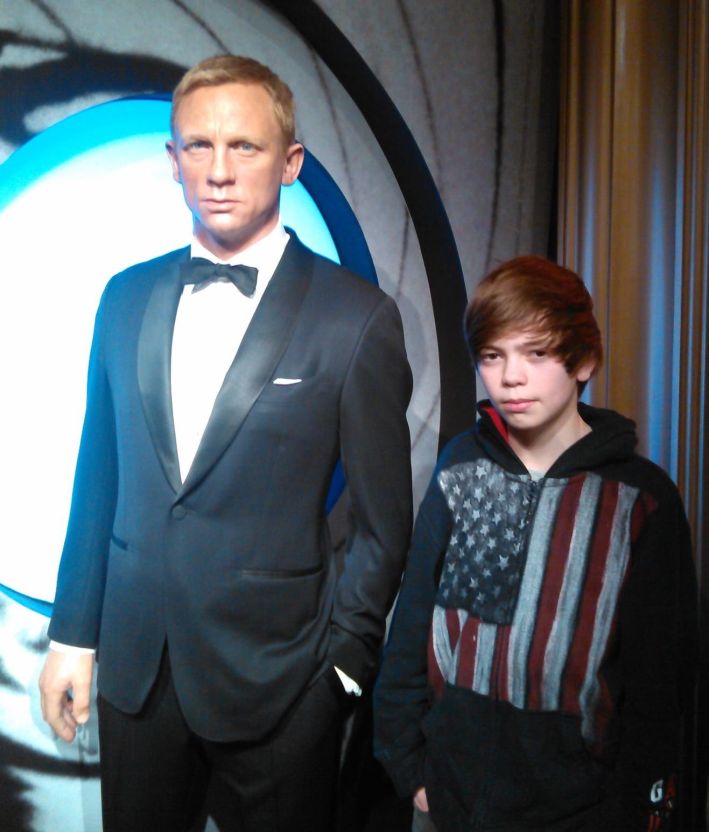
At Madame Tussauds with Daniel Craig, aka James Bond.

Over the years he has attended many auditions, and I have a few stories to tell there…

The most notable one was when he went for the part of Alfie in ‘May Contain Nuts’ the ITV two part drama adaptation of John O’Farrell’s satirical book. I remember Emily was only about four months old at the time, and because it was in West London I drove rather than taking the mainline train to Marylebone (which is what we always do for central London locations). This was a mistake. I was running late, (as usual), and I couldn’t find anywhere to park. I was worried that Will might miss his slot so I parked on double yellow lines, thinking we’d only be a few minutes.

Mostly, it’s a whole lot of travelling for ten minutes in with the casting director – if you are lucky; but this day it was a bit more involved so we were there longer than usual. I was mainly concerned with making sure my infant daughter didn’t bawl the place out!

may_contain_nutsWilliam was only about 5 then, and unburdened by the nerves he can sometimes suffer from these days. He seemed to relax and thoroughly enjoy himself. We left and went back into the road, and walked to where I parked the car; only there was no car. With my car gone, and the kids in tears, I ran back into the casting agency and became somewhat hysterical. They were brilliant; they called Westminster Council and established where my car had been taken, then called me a taxi to get there. I had to walk along the most massive underground car park in Mayfair carrying a baby in a car seat with a 5 and 9 year old wailing and moaning beside me. I duly paid the £250 to get my car back and drove home. As you can image the air was somewhat blue inside my mind!

There is a happy ending though, despite my drama they cast Wills as Alfie, it was his first TV drama role. http://www.comedy.co.uk/guide/tv/may_contain_nuts/

When I look at him sitting in the car seat he looks so young and blond! Here he is in part 1 with his pretend family:  mum Shirley Henderson, dad, Darren Boyd, and siblings Bebe Cave and Andrew Byrne:

I also remember another more recent occasion when I took Will, Max and Ruby (who was also only a few months old at the time), up to central London for an audition. We visited Hamleys on our way back but while we were inside the store it began to snow. Heavily. When we struggled through the throngs of Christmas shoppers and emerged onto Regent Street we were faced with blizzard conditions and rush hour. By the time our train pulled into High Wycombe station the whole country had virtually ground to a halt under the white onslaught, and nobody could get their cars out of the station car park. I had visions of us sleeping over night in a freezing car, or making a kind of arctic expedition on foot, which I didn’t relish with a cold and hungry baby. I think it was about midnight by the time we eventually got home with a little help from our family.

He’s done some varied work over the years: radio, commercials, children’s TV, Panto (Snow White) at the Swan Theatre, filming & photo shoots for Oxford University Press, Breathless and May Contain Nuts on ITV and BBC Learning.

Being a proud mum I couldn’t resist showing off his efforts as the young Edward Jenner for BBC Learning: http://www.bbc.co.uk/learningzone/clips/true-stories-edward-jenner/13410.html

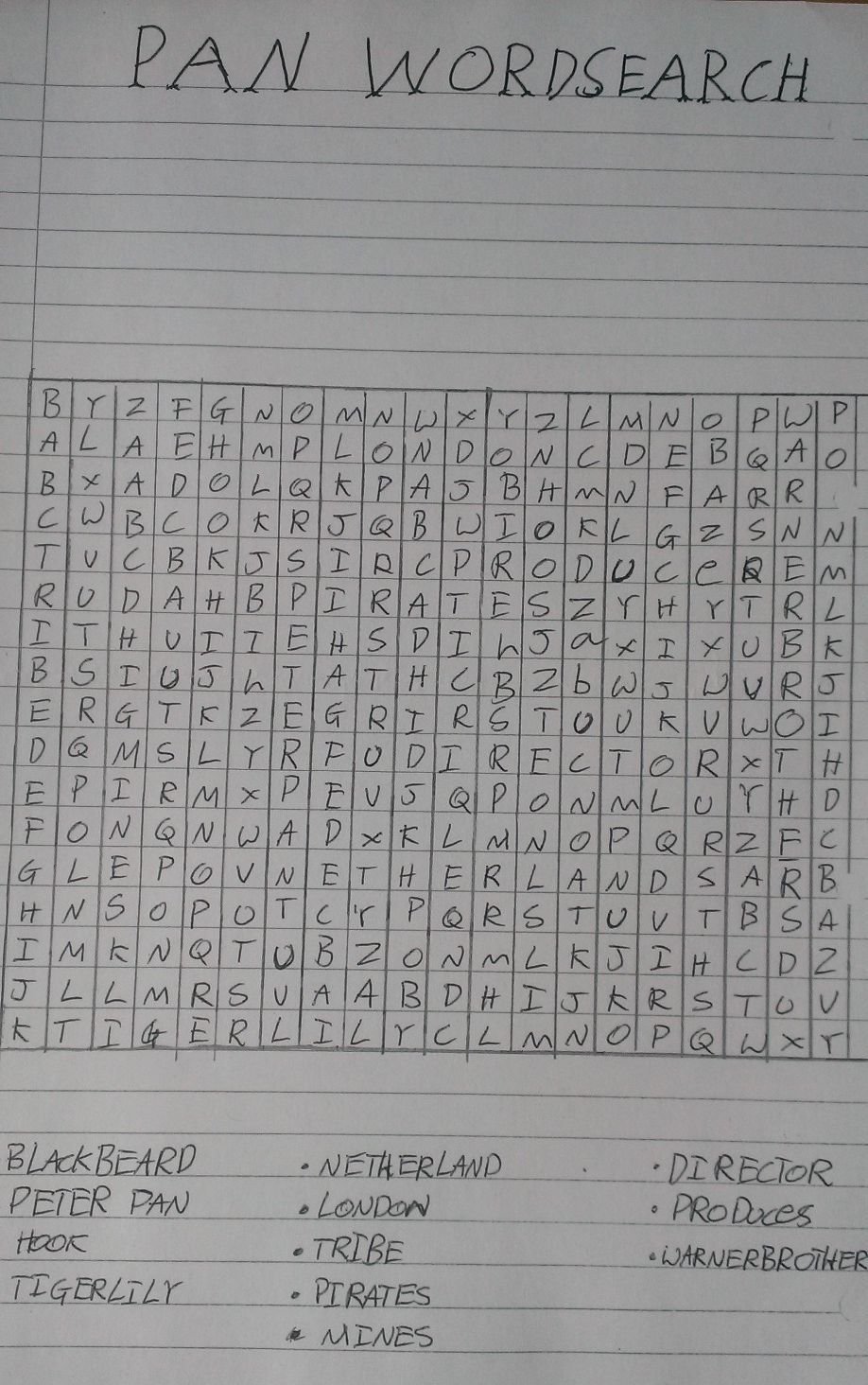
I finally persuaded him to write a brief account of his recent filming as an ‘extra’ (tribal kid), on the Warner Bros. summer blockbuster for 2015, Pan.

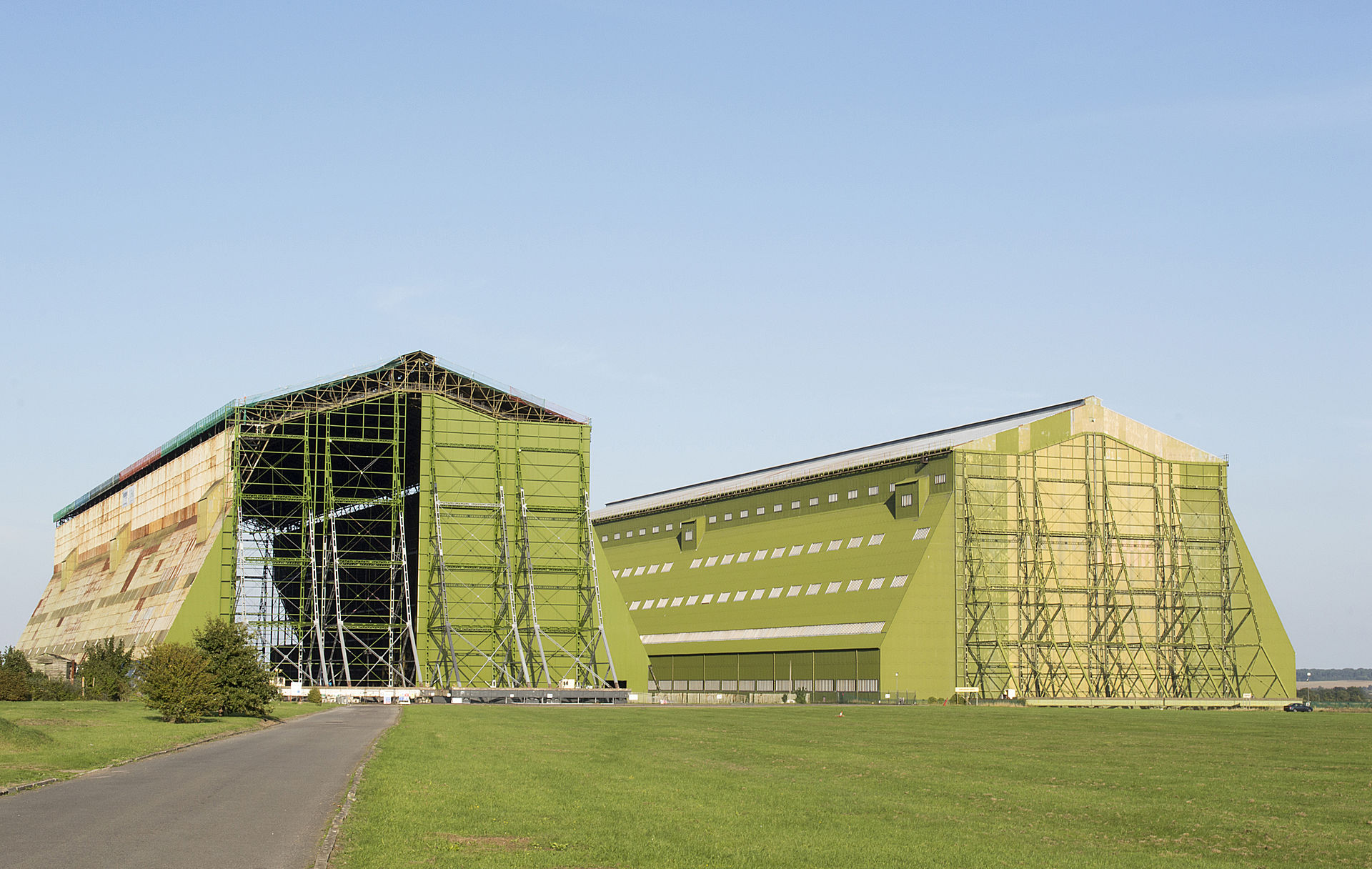
RAF-Cardington01-fullWorking as an extra in Pan is amazing; it’s such an awesome experience! But it’s hard work though, ten hour days plus one hour journeys each way to the studios. It was very tiring. I normally had a 6.45am start at the rendezvous, where we travelled by minibus to Cardington Studios in Bedfordshire.

Luckily we always had a warm welcome and a warm breakfast to wake us up. Costume fitting and makeup took about an hour, but it was good to admire all the costumes.

pan_wordsearch (2)Arrgghh! Tutoring! This was next in my day. Tutoring could be fun though, and so it was a lot more enjoyable than school. One time we did a huge planned court case which was really interesting. Sometimes we didn’t go on set but on this day we did.

Once on set we were sheltering from the pirates under the ship’s floorboards and we had to be terrified! Our chief gets shot by Blackbeard (Hugh Jackman), so remember to look out for that scene if you watch the movie.

After lunch we just did more tutoring then we went back on set for a retake of the earlier scene, but we were lucky enough to meet and say hi to Hugh Jackman! We gave him a high five, awesome right?

Well, that’s my day as an extra.

movie clapper boardIt was great to collect him at the end of a busy day, and hear him enthuse about a multitude of impressions such as: exploding mud, the energy of being on set, watching the actors practising their sword fighting skills, the delicious meals they had for lunch, meeting other young actors from a few other stage schools, including Levi Miller who plays Peter Pan.

It has been a wonderful experience for him.  For most of June and some of July he was filming (about 15 days), so I’m hoping it won’t be a case of blink and you’ll miss him when I get to see it! It’s due for release on 26th June 2015, I can’t wait…

Okay folks, I guess that’s a wrap!

To Choose, or not to Choose: that is the Question! – Thoughts on the Challenges of Choice

“I won’t tell you that the world matters nothing, or the world’s voice, or the voice of society. They matter a good deal. They matter far too much. But there are moments when one has to choose between living one’s own life, fully, entirely, completely—or dragging out some false, shallow, degrading existence that the world in its hypocrisy demands. You have that moment now. Choose!” ~ Oscar Wilde

It’s a curious thing, choice. So many choices, so little time…

Life could be compared to a game of chess; which is said to have as many possible moves as there are atoms in the universe. When I read that staggering statistic it changed my perception of the game.  It could be said that in each moment of our existence we have a similar array of responses and decisions and thoughts to contend with, along with the consequences of said choices. Which way do we go?

Einstein - InsanityFreedom isn’t free. There is always a price for choosing a particular set of beliefs, to how we conduct ourselves, the friends and partners we share our lives with; from the outer enemies and inner demons we do battle with. It’s called Karma.  In theory, wise choices result in beneficial outcomes, not just for ourselves, but also the world around us. The not so inspired choices serve as fodder for learning: for looking back at our lives and understanding where we strayed from our source. Looking back in hindsight at our more torpid and turbid moments will lead us to navigate clearer, more erudite ones.

wrong-choices-right-placesPersonally, I have found many of my profoundest growth moments (the ones that lead to intense suffering and hard times), were the catalysts for the most positive changes in my life. It was all about overcoming; digging deep and finding that indefatigable spirit that had taken a battering from the world, and accepting my part in it. Once we accept responsibility for our choices it frees us to make mistakes and pursue our happiness with more awareness.

Dr. David R Hawkins on taking a fearless inner inventory / taking responsibility:

Someone once said: the furthest distance any of us have to travel is the six inches between our ears. We create and co-create everything. There is nothing that exists outside of Self.

We are all the authors of our own life story, choosing our characters, creating the plot (or losing the plot!); literally making it up as we go along. Will it be a thriller? A tale of crime?  A sweeping love affair? A comedy perhaps? Those who get bored with the same genre may have had a mixture of all of the above! And the axiom write what you know tends to lend itself to our personal fiction.

keep-calm-and-make-good-choices-38You might say we can’t choose our circumstances or our family. To some degree that is true, we all have a certain hand dealt us at birth. We may have been blessed with loving parents in a peaceful country, or at the other end of the extreme as orphans in a war zone.  Having rich parents and a comfortable life does not always make for the happiest of people. Others manage to escape the gang culture they have become embroiled in in their youth.  The ones that didn’t accept their circumstances were the ones that chose a different set of circumstances. All we can do is make the best of our raw materials.

“Our birth is but a sleep and a forgetting, heaven lies about us in our infancy.” ~ William Wordsworth.

As babies, we are innocence and love personified, each a blank canvas, where the background is first painted on by our parents. From there, layers of experience and meaning are gradually woven into our masterpiece, sometimes forcefully and suddenly by a traumatic experience. We are all scarred to some degree by our past. This is how we form our own personal map of reality. The way we assimilate our experiences is what makes us who we are, what shapes our personality. But we can’t blame our childhood for everything.

We can take a knife for instance, we can either choose to butter a piece of toast or stab someone.  Likewise we can decide how to react when someone offends us.  Looking deeper at what the world throws at us, we might see it is a reflection of us. If we have an issue with authority then we may come into contact with a person who is highly controlling for example.

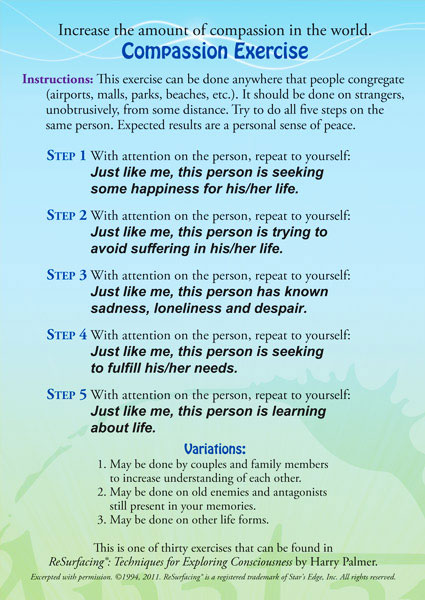
I now make an effort to take a more balanced view of such individuals who try my good will. It can be challenging to suspend one’s judgement, but it’s also quite liberating. Don’t take life personally. It takes awareness to practise compassion and understanding, (this is an ongoing and not entirely successful endeavour for me), to see past the person with their undesirable behaviour, and into the human being underneath, essentially another sentient being who feels and has emotions much the same as I do. It’s just that they have chosen a different path, based on their unique experiences. The blame game won’t solve anything.

Avatar Compassion Exercise

The souls that we feel the most affinity with perhaps share similar beliefs to us, but the souls who challenge us the most are the ones who do not share the same beliefs and values, and who have made radically different choices. But what none of us can escape from, is that our choice of thoughts affect our beliefs, which ultimately determine our actions, and, interwoven with the actions of others around us come results. Good or bad, it all comes down to choice.

Whilst we cannot force the choices of others, (as the saying goes: someone convinced against his will, is of the same opinion still), but we can however, choose to follow Gandhi’s advice, and be the good we wish to see in the world.  Make choices that others might aspire to. In these uncertain times humanity needs our collective souls to step up to the plate.

Be still, and listen to your heart. May you choose to believe the best about yourself and make inspired choices!

I’ve chosen to finish with a poem. The Road Not Taken by Robert Frost:

“We are our choices.” ~ Jean-Paul Sartre


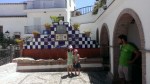
Memories of Spain – Sun, Sea and the Sierra de las Nieves

Andalucia has many distinctive attributes in summer. First, there’s the heat; unrelenting, oven-like and intense.  Then there’s the sweet, dry scent; that wonderful evocative smell, carried on the breeze, a mingling of salty ocean droplets, lemon groves, pines and dusty mountain air. It’s fuller and headier at night. The Cicadas contribute a constant roar, as millions of wings rub instantaneously providing nature’s soundtrack to accompany the rugged mountain and coastal scenery of the Costa del Sol.

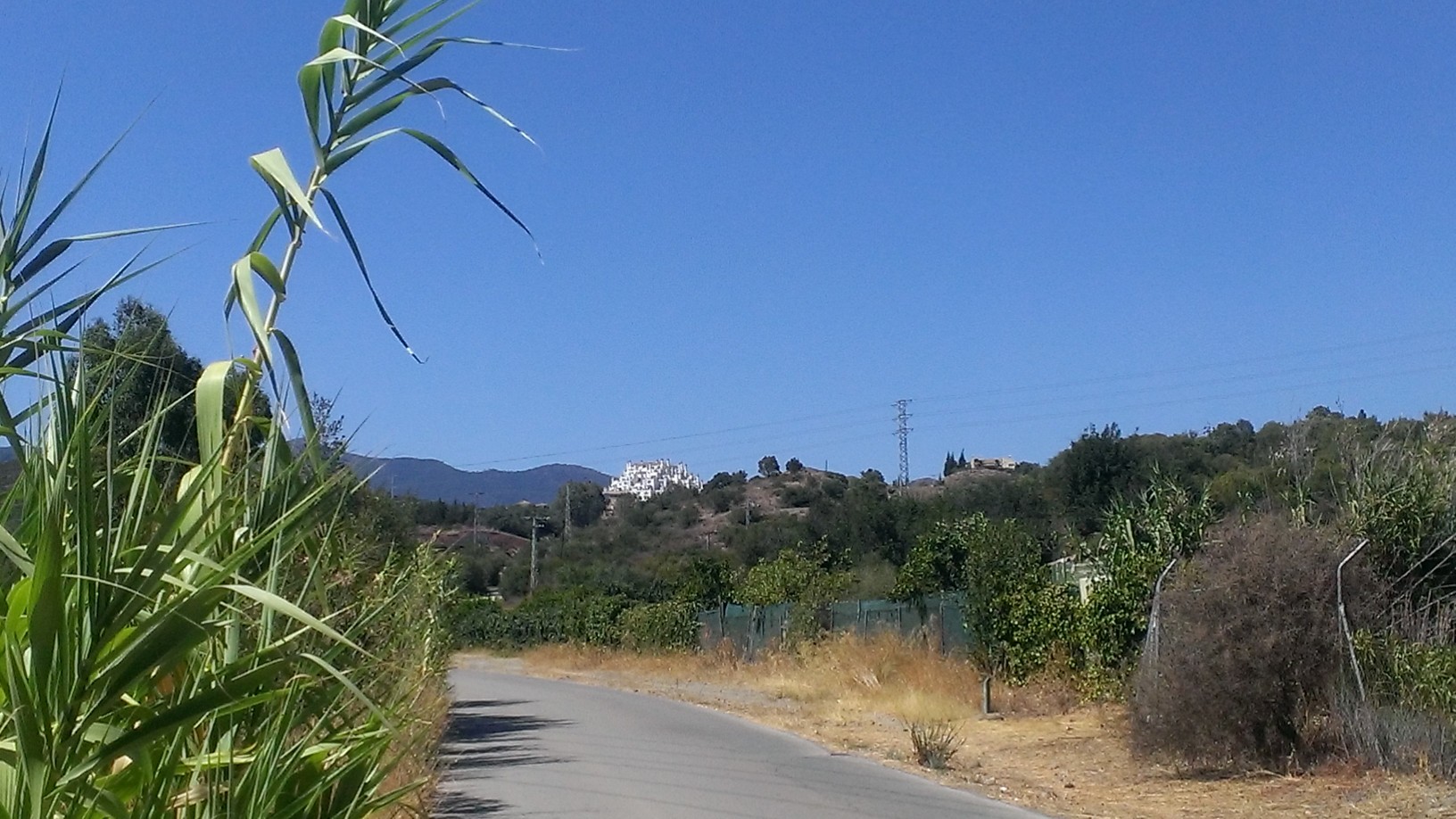
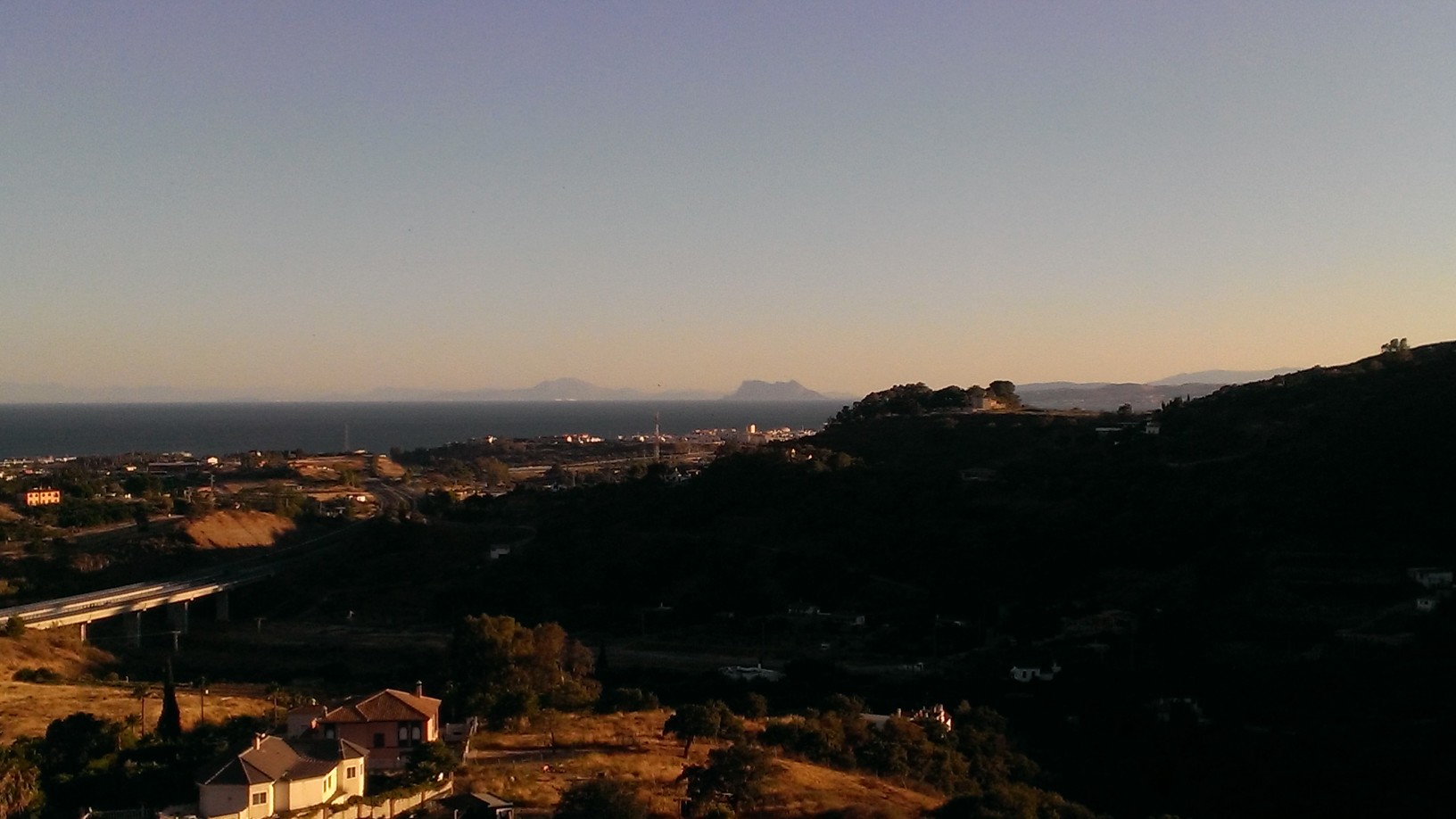
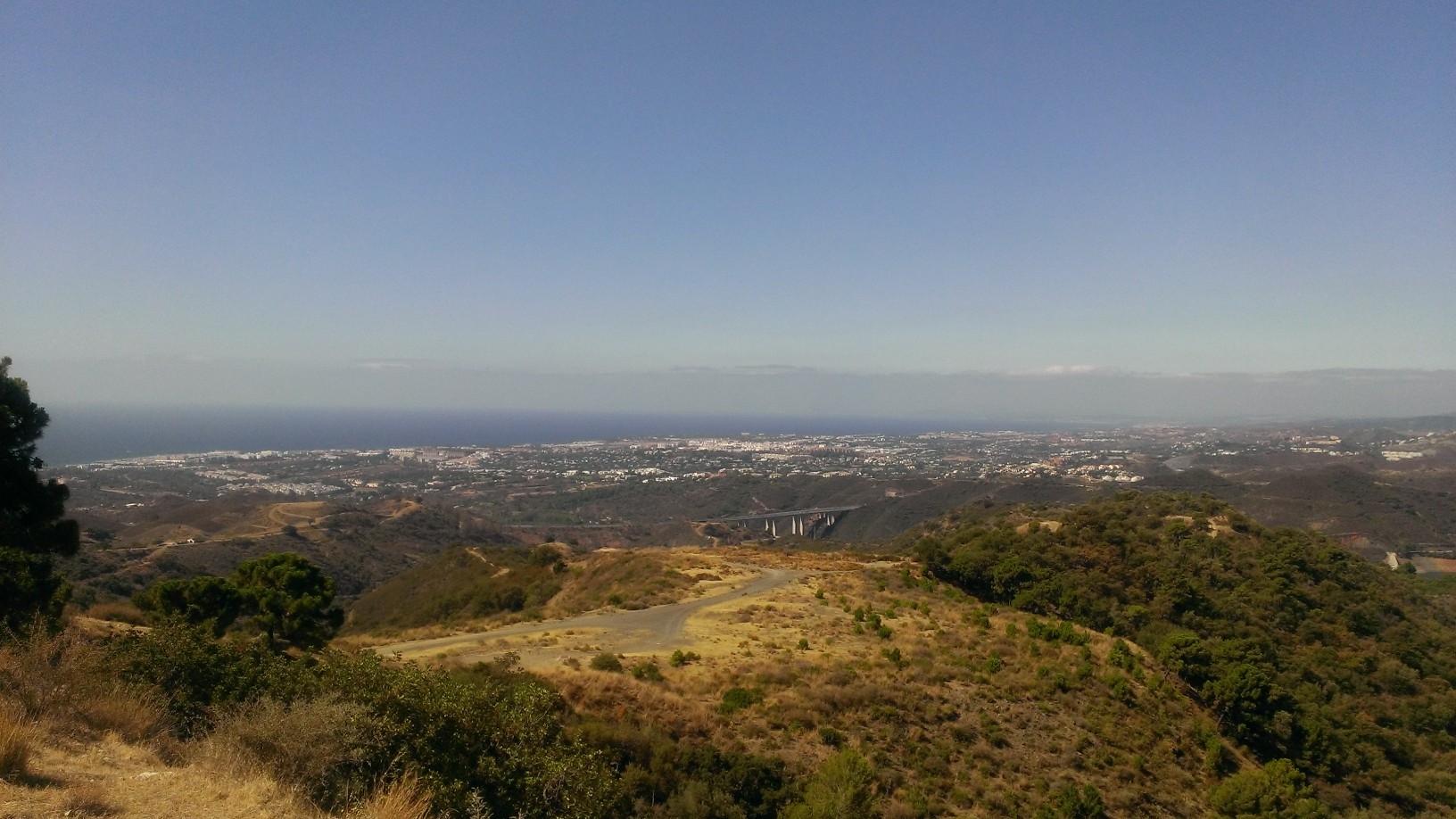
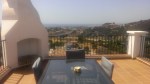
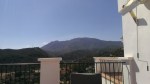
Forest HillsForest Hills, our home for the week, nestled into the foot of the Sierra de las Nieves at Estepona, and resembled a small Moorish Citadel clinging to the hillside. Our spacious apartment had a lovely large terrace that overlooked the coast on one side, and the mountains on the other. Most days the heat haze obscured the Rock of Gibraltar, but on our last day the wind freshened and changed direction, and we could clearly see the British enclave and the mountains of Morocco across the narrow stretch of the Mediterranean Sea.

view of Gibraltar and Morocco from our balcony

The Spanish coast along the The Strait of Gibraltar often gets a battering from strong winds, and the day we visited Cristo Beach a hot dry wind from the Sahara whipped up the sand in our faces.  The two types of winds we experienced are known locally as the easterly Levante and its westerly counterpart, the Poniente.

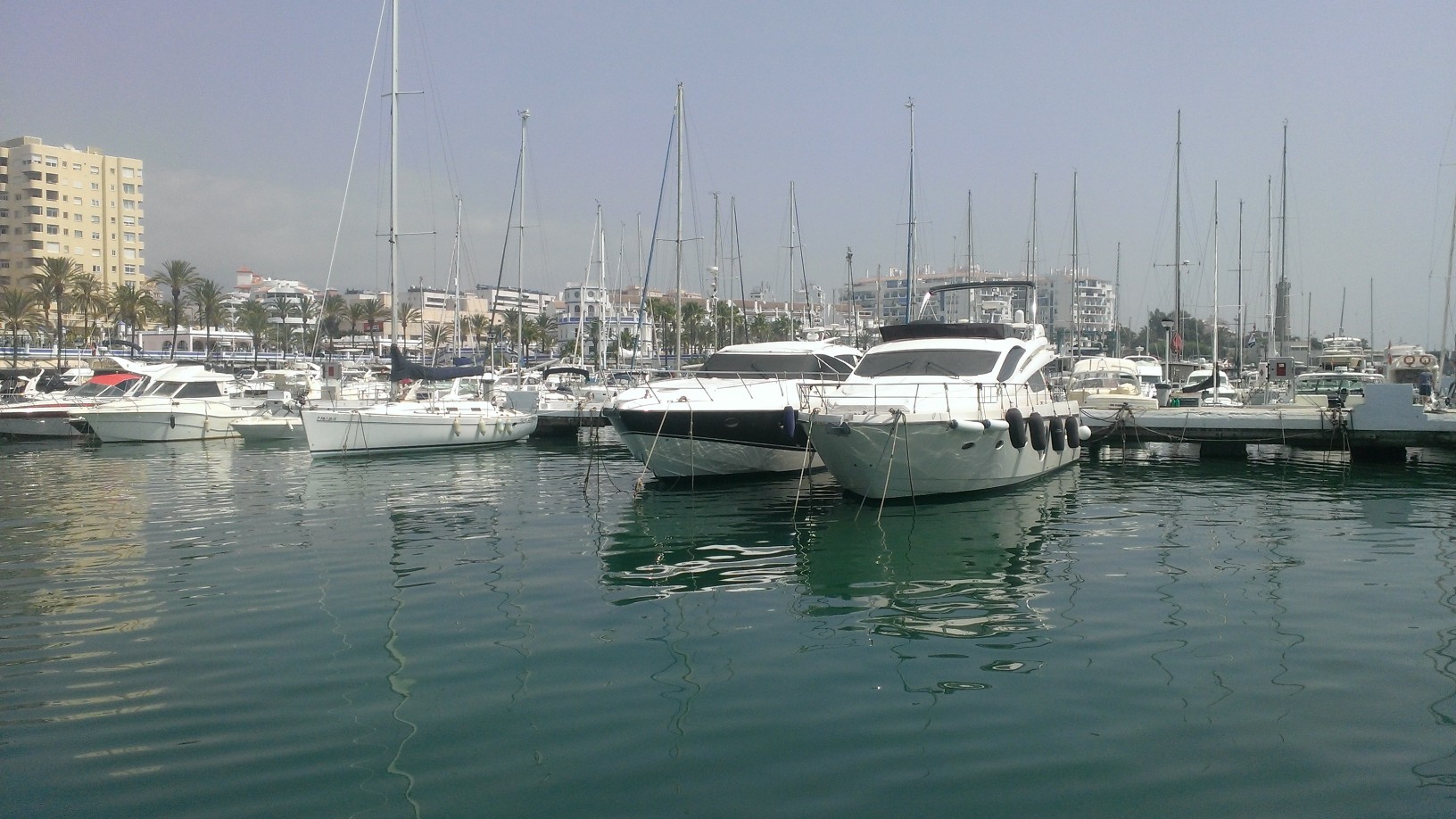
Estepona marinaQuieter and less touristy than neighbouring Marbella, Estepona is a pretty coastal town that boasts a beautiful long beach with an immaculate esplanade and a smart marina with plenty of eateries. On the morning we went sailing it was cool and cloudy (much to our amazement), and as our yacht for the trip, Intrepido, left the harbour (the sails were up but we needed power as the sea was like a millpond), we embarked on our two hour mini-cruise in search of Flipper as we headed towards the hazy horizon.

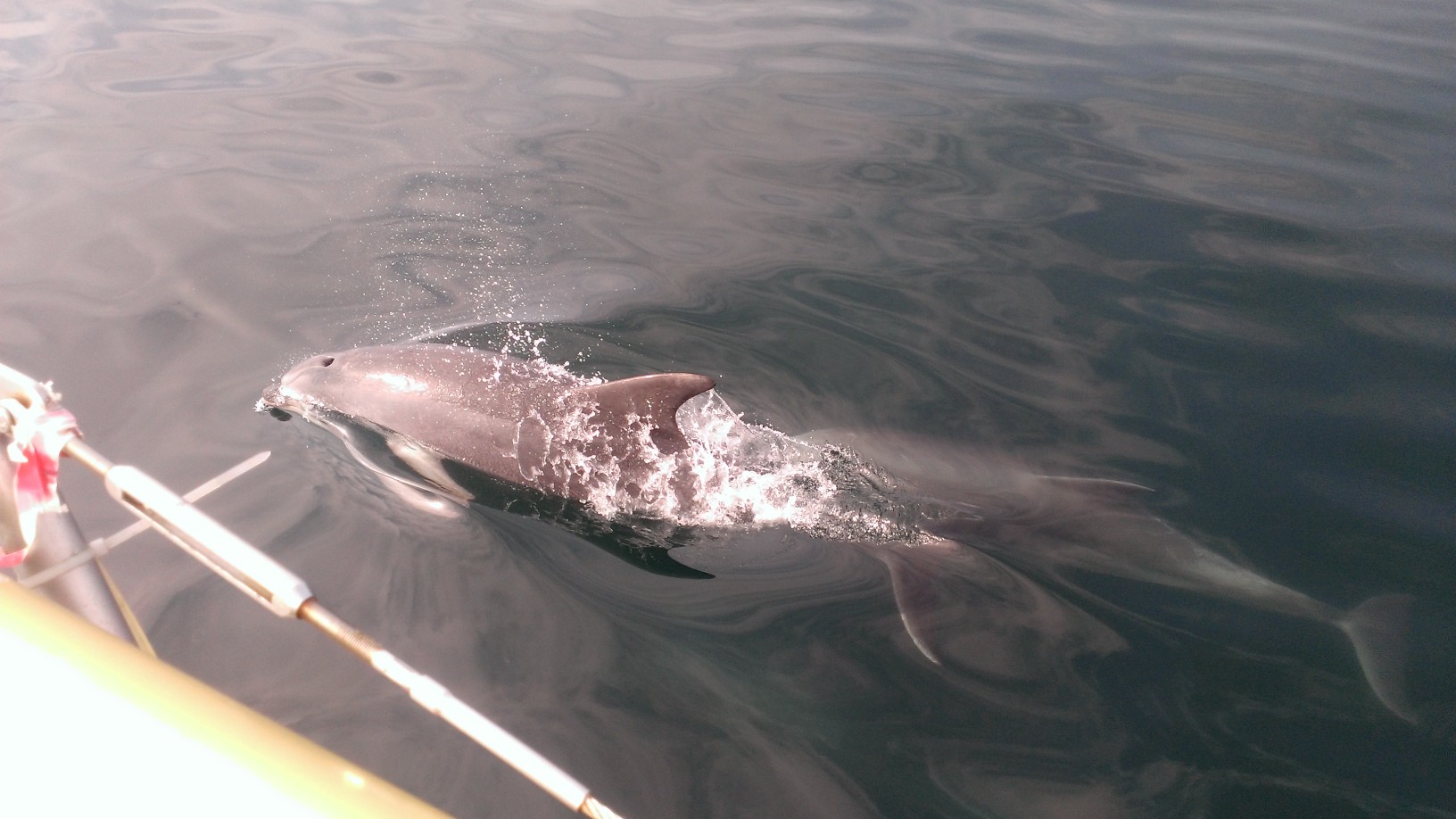
After a bit of moaning about the cold air and lack of sightings my girls perked up as we were soon visited by a small pod. Imagine our delight as a mother and young one surfaced near the bow. The sound of their exhalations was exhilarating! We were soon joined by about three more inquisitive visitors. The sea was clear and still, we could see them darting under the front of the yacht, the light reflecting off their silvery skin just beneath the surface of the water.

Dolphins at the bow

I took hundreds of pictures, but they were so fast (even when jumping out of the water), that by the time my camera had clicked there was just a ruffled patch of water showing on my screen. Luckily I had two decent pictures to show for my efforts. Throughout the encounter Emily and Ruby were ecstatic. It was a very special environment in which to see these playful and lithe creatures. The skipper let the girls have a go at steering too, it was so sweet to see them showing him their right from left, but they didn’t quite progress onto port and starboard…

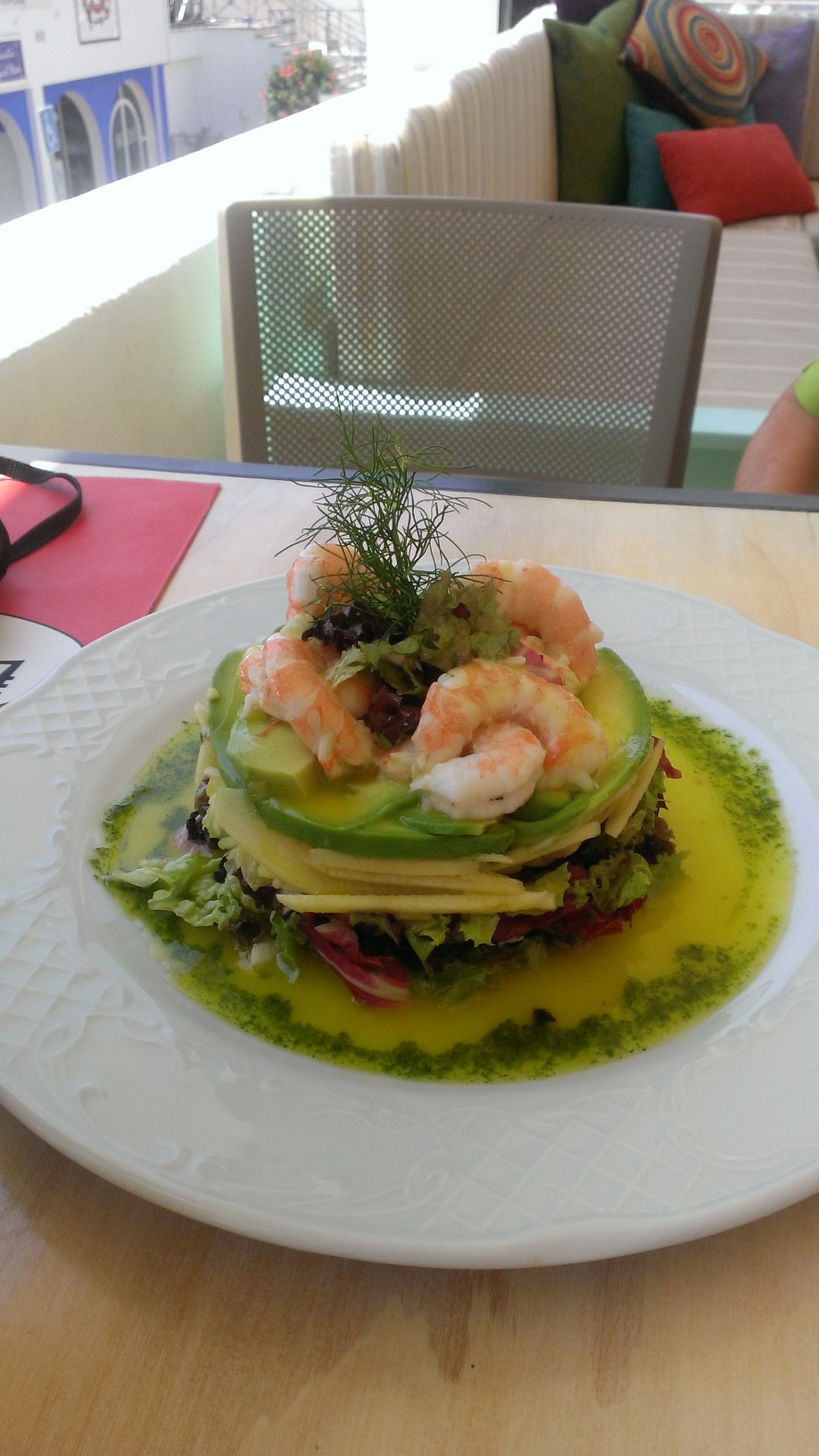
Langostine saland at La PintorescaAfterwards we had lunch at La Pintoresca. Located at Pantalan 5 on the Marina, just behind the Real Club Nautico building, it’s a delightful tapas restaurant run by the friendly and welcoming Jacob. Nothing was too much trouble, and he served us fresh, mouth-watering delights that made for a memorable meal. The small swallows in the palm tree by the balcony watched us intently and the occasional boat left the harbour. If you are ever in the area I can thoroughly recommend his establishment. Even my daughter Emily who has been known to be a tad fussy was raving about the food we ate!

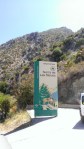
Some days are special. Friday 1st August was one such day for us. We are normally game for an adventure, and Monte Aventura certainly made sure we had one in the stunning limestone mountain range of the Sierra de las Nieves. I wanted the girls to see the real Spain, and an ecotour seemed the best way to do it.

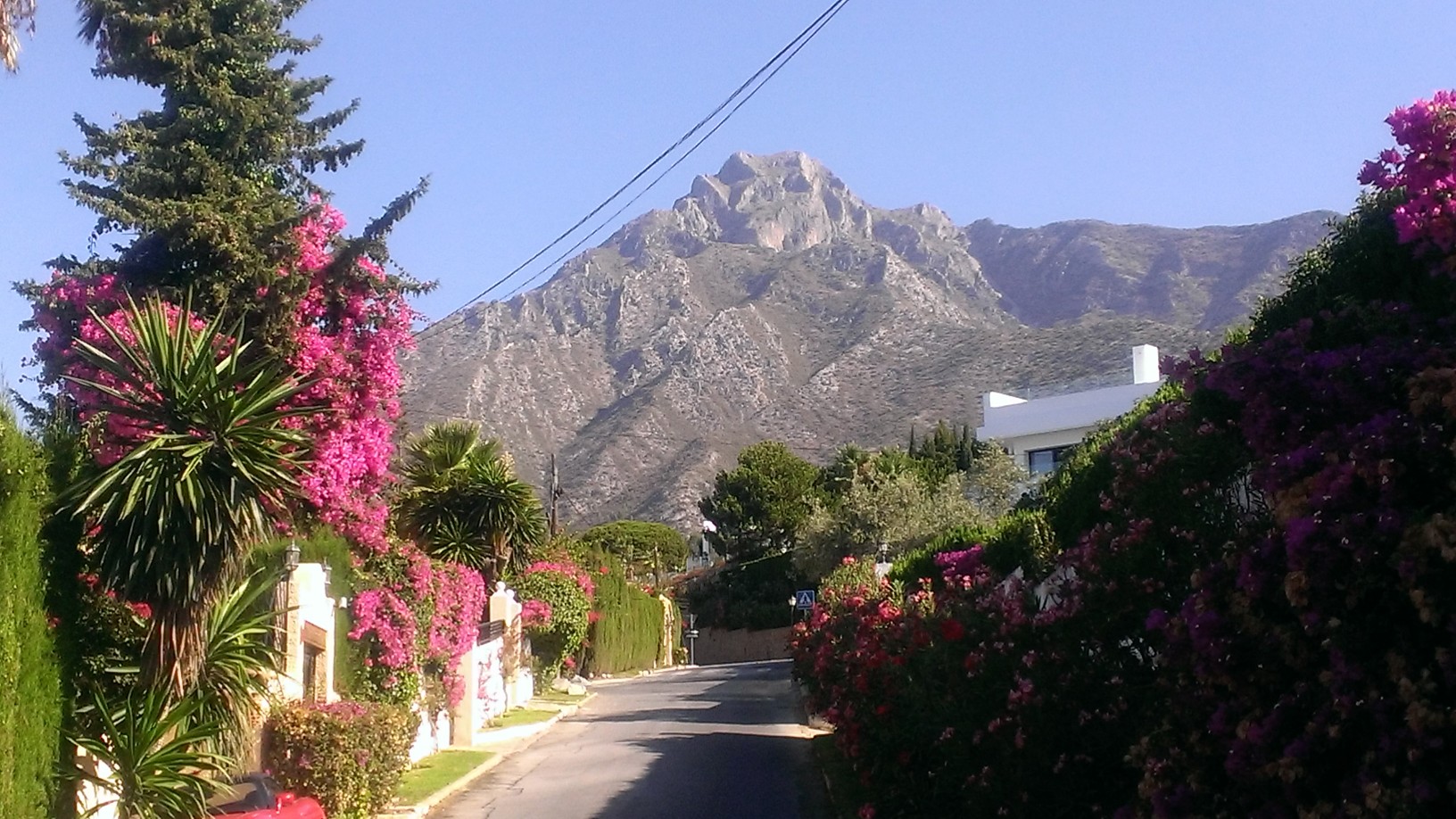
La Concha MarbellaWe were collected (along with another family also staying at the same complex) by 4×4 Land Rover driven by our eager and enthusiastic guide, Hugo. He established an instant rapport with the girls and his English was superb. He was very personable, and what he didn’t know about the ecology of the area wasn’t worth knowing. We drove to Marbella, and on our way into the mountains we passed the UAE Royal Family’s Spanish summer residence. Bougainvillea adorned walls and we looked up to the peak of La Concha above us.

view of the coast from the Sierra de Las Nieves biosphere

Once off-road we were able to stand and hold onto the roll bars whilst Hugo encouraged us all to push! As we entered the UNESCO Biosphere Reserve of the Sierra de Las Nieves Hugo pulled out some local fauna for us to inspect and we discussed the attributes of these native plants. Fresh fennel, thyme, rosemary, mint, and other plants were examined and Hugo explained about the local grass, esparto. Think Espadrills! It has many uses and is known for its toughness and durability. Hugo showed us the esparto made slings that local shepherds used to herd their goats in the area, and we each had a go at flinging stones into a disused quarry. It was great fun; and once the technique is mastered the stones can travel for miles it seems. It was the only time I have let Emily and Ruby anywhere near such apparatus!

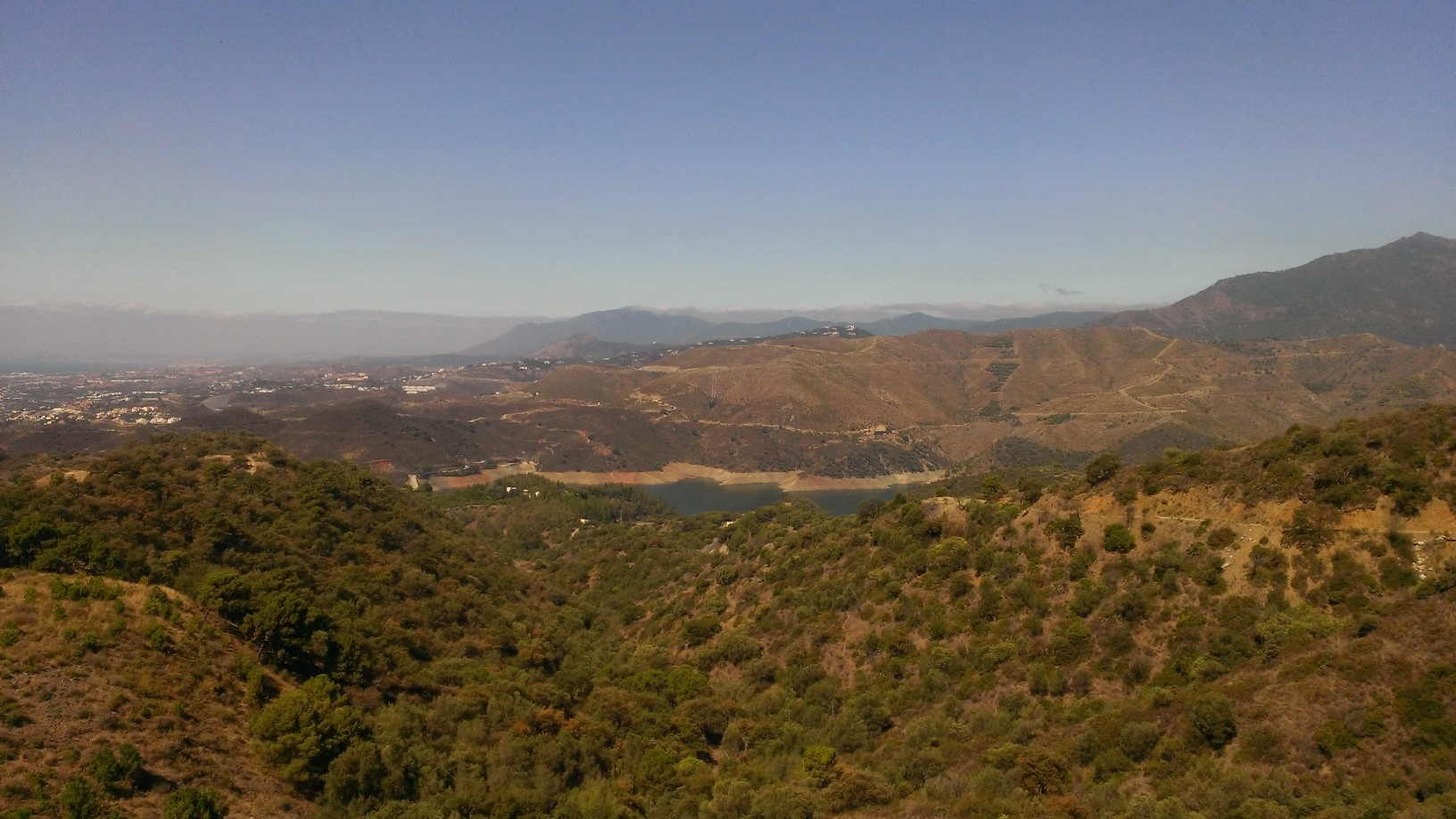
view of La Concepion reservoirWe looked down towards the Presa de la Concepcion, a 7km long dam and reservoir built in 1971.  Due to a drier than normal winter last year Hugo explained that it was only fifty percent full and thus causing concern for the remainder of their hot dry summer.  After a group photo we left the coast behind us and tackled the hairpin roads of the Nature Park. Hugo told us about the varied fauna of the area, we saw olive groves, pines, almond trees, cactus leaves and flowers, and the African originating carob Trees. Planted by the Arabs many centuries ago they have thrived, their fruit being a popular source of food for local animals and people alike. The Arabs developed a measurement system using the seeds, now known today as the same weight system for evaluating gems – the carat.

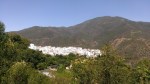
Soon we approached the medieval fortress of Istan (meaning high place). The ‘White Village’ was built by the Moors in the 15th Century due to its natural spring, and their original aqueduct is still in use to this day. Hugo parked the Land Rover at the source of the spring for us all to have a drink and cool off, and proceeded to show my girls giant tadpoles, butterflies and even dragonflies that were buzzing around us.

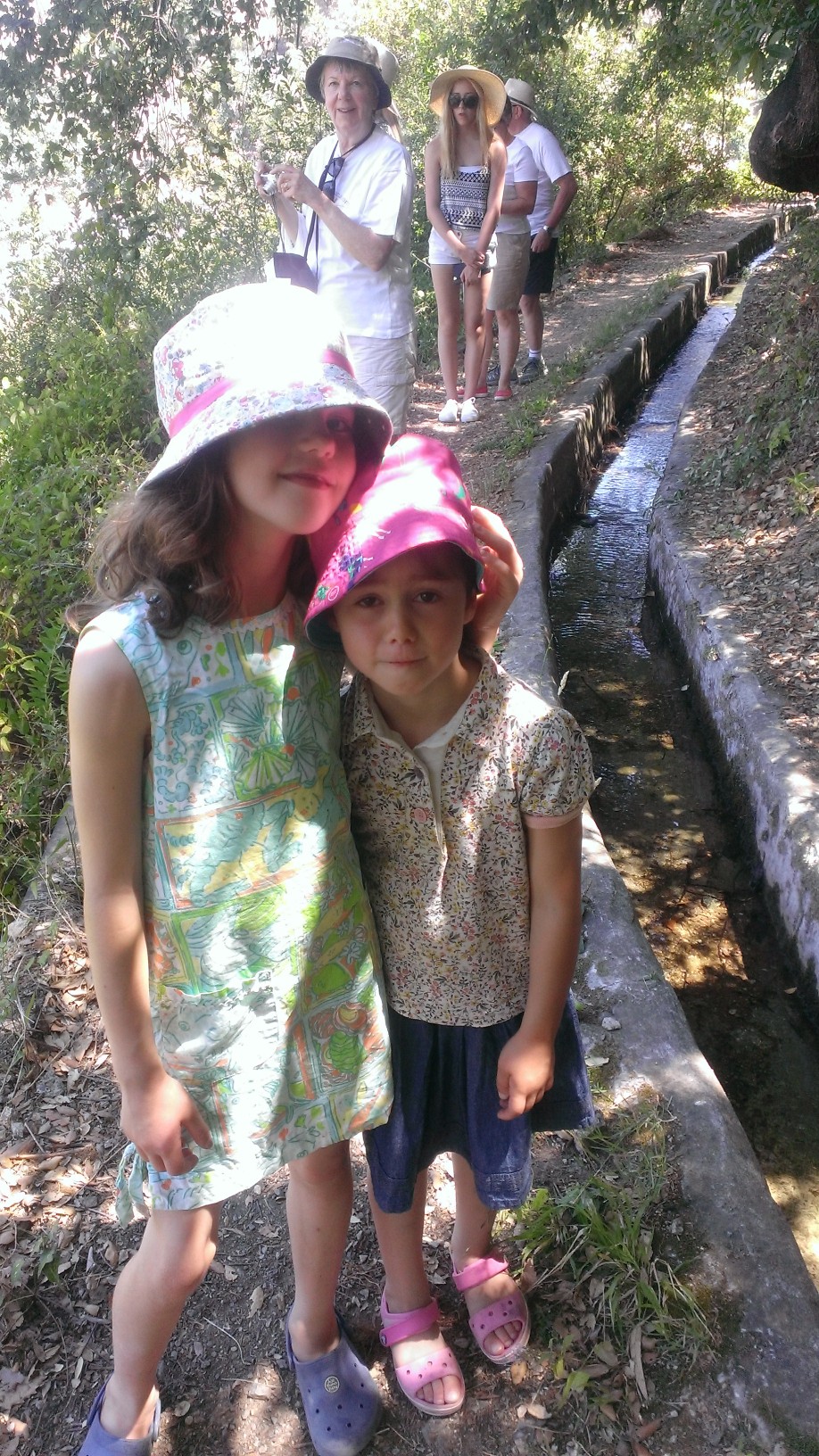
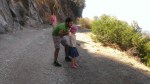
Emily Ruby and mum along the aqueductWe walked down by the concrete gullies (built around the ancient irrigation system) picking blackberries as we went. We saw oranges, avocados and pomegranates growing in the hill beside the path. Our first panoramic view of Istan greeted us along this pathway. We then met Juan, a 91 year old local resident (and quite a character), who greeted us with fresh tomatoes marinated in olive oil, red wine vinegar and salt, fresh bread and oranges and a mixture of local wines which we drank from the pouch in the appropriate manner: held at arm’s length squirting into ones mouth! He showed us his workmanship with esparto and then came with us to the town square fronted by the ancient mosque turned church, where we had a delicious lunch.

Istan (featuring Juan):

Afterwards we headed further into the mountains and through the indigenous Cork Tree forest, where mature trees (50 years plus) are harvested for their special bark. Hugo showed us a cross section of a sample, with the lines indicating the age of that piece of natural cork. The trees regenerate after about a year, but are not then harvested for at least another ten years. Cork has a porous quality that makes it perfect for letting wines breathe, and the many other uses that man has found for it in bathrooms and kitchens. We learnt that the Cork Tree is impervious to fire, and is well suited to the dry and arid summer landscape where frequent bush fires can occur. They will survive these blazes as long as they have not been recently harvested.

Sierra de las Nieves overview:

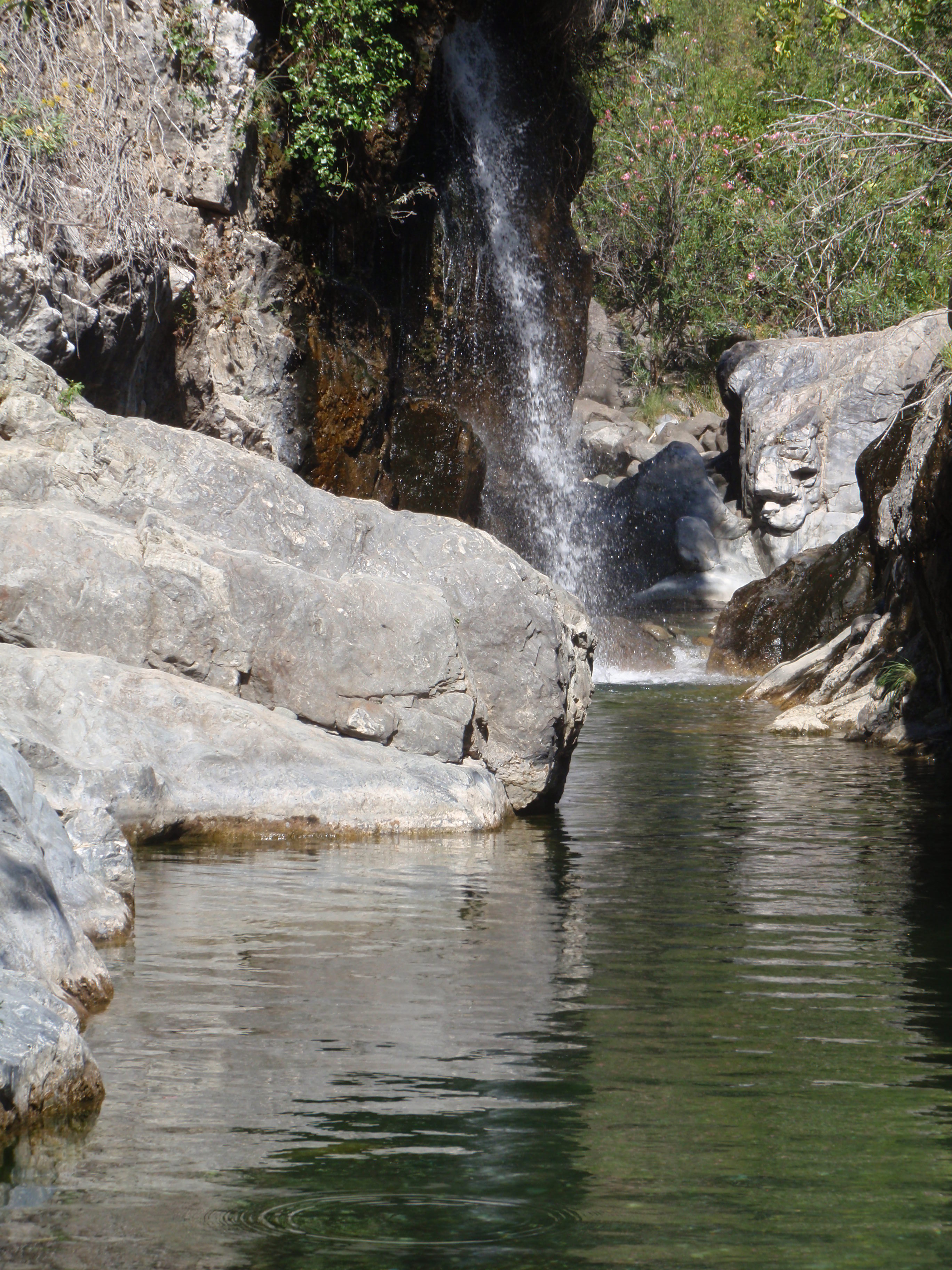
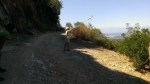
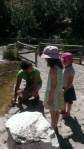
Twenty minutes of dusty off-road driving later, and we were rewarded with our final destination of the day: a fresh water pool replete with waterfall which was home to turtles and other small fish. For mum, me and the girls this was the highlight of our trip. We all clambered over the smooth rocks that lead to the pool listening to the sound of the water tumbling from the rocks high above. Our dip was totally refreshing and magical. The girls stayed in the shallows with mum as I swam down the deeper, narrow gorge to the waterfall, and leant against the rock behind its pristine effluent stream.  I’ll never forget the sensation of the droplets hitting my sun parched face.  We spent about twenty minutes enjoying the cooling effect of its clean, clear water and then climbed back out and into our Land Rover ready to travel back.

OLYMPUS DIGITAL CAMERA

Ruby was just about old enough to enjoy the trip we did, but it wouldn’t be suitable for kids under 5 years. Hugo has a passion for his country and the local ecology that really shines through. He often told us interesting facts about the wildlife of the mountains, especially the goats and wild boar; and was very adept at spotting eagles soaring and diving around us. He really made the day enjoyable for all of us, and I’m certain the family we were with had a great time also.

All in all a fabulous day and a fabulous holiday!

Small photo gallery:

Vienna – The City of Music

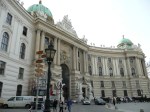
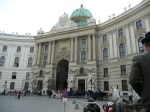
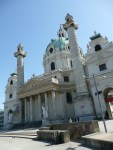
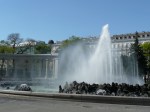
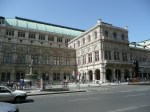
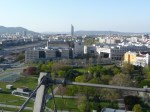
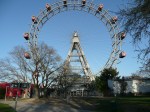
004Vienna is the world’s foremost classical music city, indeed of the arts in general, and is one of my favourite places. For music and culture it can’t be beaten. During its musical zenith it was home to great composers such as Mozart, Beethoven, Haydn, Schubert, Brahms and the father and son waltz kings, Johann Strauss I and II.

It’s no surprise therefore, that Vienna is the setting for part of my novel, The Virtuoso.

In addition to its musical pedigree Vienna was the birth place, and or base, of artists such as Gustav Klimt and Egon Schiele, as well as some of the world’s most respected and ground breaking writers, thinkers and psychologists such as Franz Grillparzer, Sigmund Freud, Carl Jung, Viktor E. Frankl, and more recently, Hans Asperger, Konrad Lorenz, Ludwig von Mises, and Peter Drucker. It was the seat of the mighty Austro-Hungarian Empire and home of the Habsburg dynasty for many centuries. Vienna became a UNESCO World Heritage site in 2001.

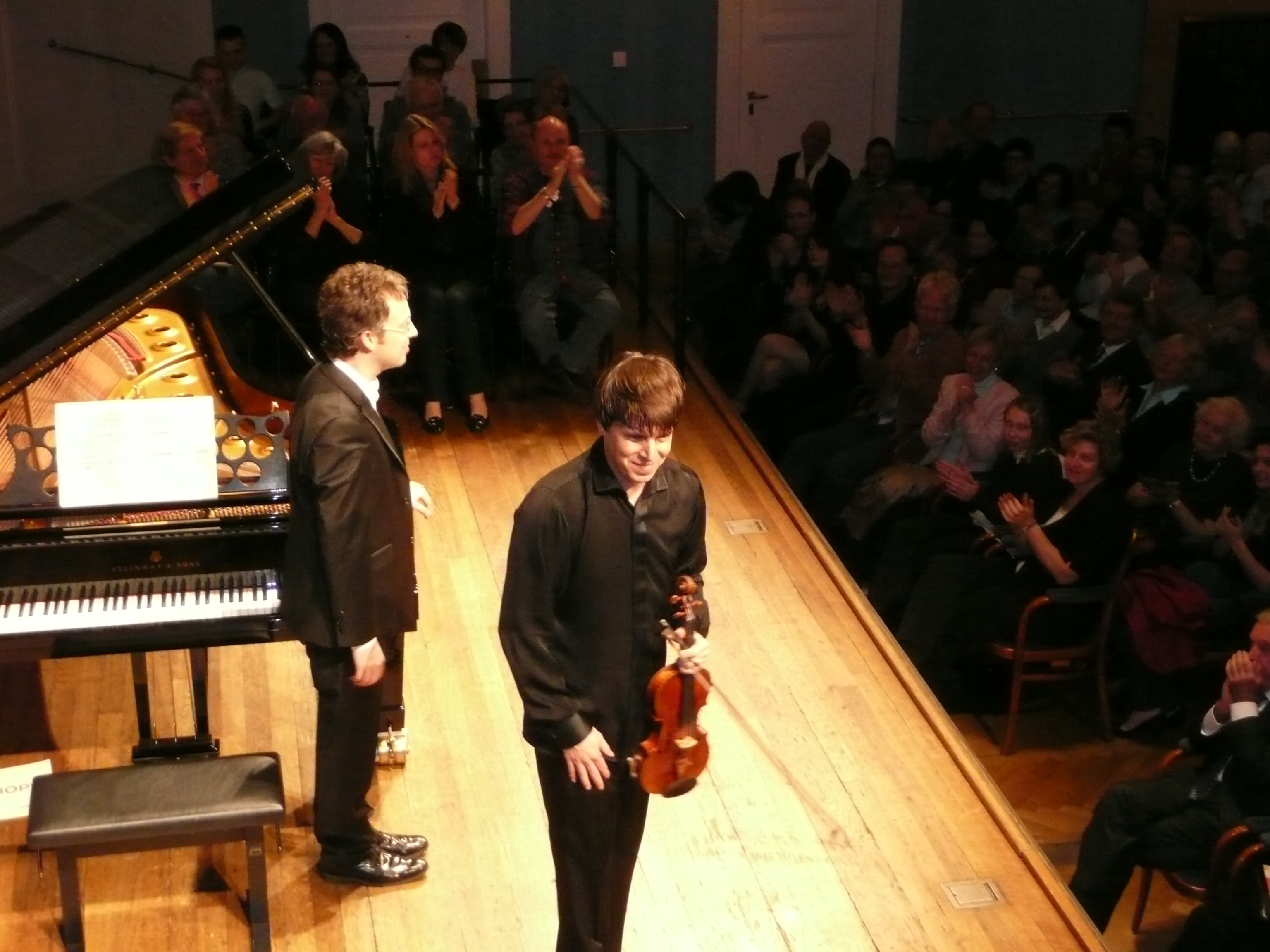
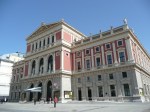
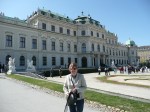
093I have been to Vienna in both winter and spring. My first visit was in 2005, which also incorporated a trip to Salzburg and Innsbruck. On my second trip in April 2011, I was focussed on consolidating my research for the venues to be featured in my novel, plus my mum and I had tickets to go and see Joshua Bell perform at the Wiener Konzerthaus! He played beautifully, alongside Jeremy Denk on the piano, and I was thrilled to have met him afterwards and he signed my newly purchased CD.

This superb BBC documentary gives a wonderful overview of the ‘City of Dreams’ and its history:

Vienna has it all: the beautiful Danube river, palaces and parks, museums, galleries, concert halls, churches, coffee houses, baroque architecture, modernism, a rich history, warm and friendly inhabitants, and not forgetting apple strudel to die for. It’s an easy place to fall in love in and with, and that’s exactly what my heroine does!

In chapter nineteen Isabelle Bryant travels to Vienna to do some research on her hero Ludwig van Beethoven, so that she can write about his life and music for an article in High Notes magazine.  During her stay she has a fortuitous second meeting with enigmatic publisher Daniel Carter, (who has already awakened intensely amorous feelings in her at their first meeting), and they begin a passionate love affair amidst the wintry splendour of the city.

I hope this small section of the chapter gives you a flavour of the musical legacy and delights of Vienna:

The day started out brightly. From her small balcony Isabelle peered over the numerous rooftops, her eyes sweeping over the narrow pavements lined with historical houses, each with their own unique story she pondered. Snow lay undisturbed on the pavement below her in Kirchbergasse, still fresh from the heavy fall the night before. She filled her lungs with the wintry air and then made her way to the lounge for breakfast.

Suitably filled with rolls and orange juice she pulled her handbag across her shoulder and waited for Hans in the hotel lobby. It was dead on 9am. A tall dark figure stood erect and patient by the front door. She smiled at him. He smiled back at her, and in a few strides he was by her side greeting her with an outstretched hand.

‘Good morning Frau Bryant, my name is Hans Moser. I am your guide for the day. I understand you wish to visit some of Beethoven’s Houses?’ His slow and clipped accent immediately warmed her heart. She looked up at his strong features. His wide set jaw, olive skin and dark moustache gave him a strangely Latin appearance, and his large brown eyes were framed by substantial eyebrows. Isabelle guessed he must have been about forty.

‘Good to meet you Mr. Moser. That’s right. I’m researching the composer for an article I’m writing.’

He signalled towards a smart black Mercedes waiting at the entrance and pulled open the rear door for her. ‘Is this is your first visit to Wien?’

‘Not exactly,’ she mumbled, clambering into the seat.

‘I used to be a concert violinist, Mr Moser. I’ve been to Vienna once before, I was on tour playing with the Vienna Philharmonic, and most of my time was spent at the Wiener Musikverein. It was just for a couple of nights and unfortunately I didn’t get to see anything of the city. I spent large chunks of my time rehearsing and preparing. I- I had an accident recently, so I can’t play anymore.’

Hans’ eyes caught hers through the rear view mirror. He had already noticed the dressings on her left hand, and bowed his head.

‘I am sorry for your loss. I wish I had been able to see you play. I am a great lover of classical music and especially of Beethoven. I will do my best to make an enjoyable day for you. Also, please call me Hans.’

‘Thank you Hans, I really appreciate your help. I probably could have made it round the city on buses, trams and by foot, but I’m on quite a tight schedule and I don’t really have time to get lost.’ She raised her left arm. ‘My injury isn’t too good in the cold weather either.’

‘It’s a pleasure for me to assist you in such an important task,’ Hans replied.

Isabelle showed him her scribbles of some of the venues she wanted to see and he looked thoughtful.

‘I will take you to the Beethoven Platz first,’ he said, ‘followed by the famous Theater an der Wein, before stopping at the Memorial Rooms in the Pasqualati House, and perhaps the site of the Schwarzspanierhaus, where he died. Beethoven moved house over eighty times during his time in Wien, so there aren’t many houses that we know of left standing. Also in the city is the Palais Lobkowitz which houses the Eroica Saal and the Palais Pallavicini which is opposite the Spanish Riding School of the Hofburg Palace.’

‘That’s great. If there’s enough time afterwards I’d also like to visit the House of the Heiligenstadt Testament, and the Church of Holy Trinity where Beethoven’s funeral was held.’

Hans gave an accommodating nod. ‘I am at your service, we can go wherever you would like.’

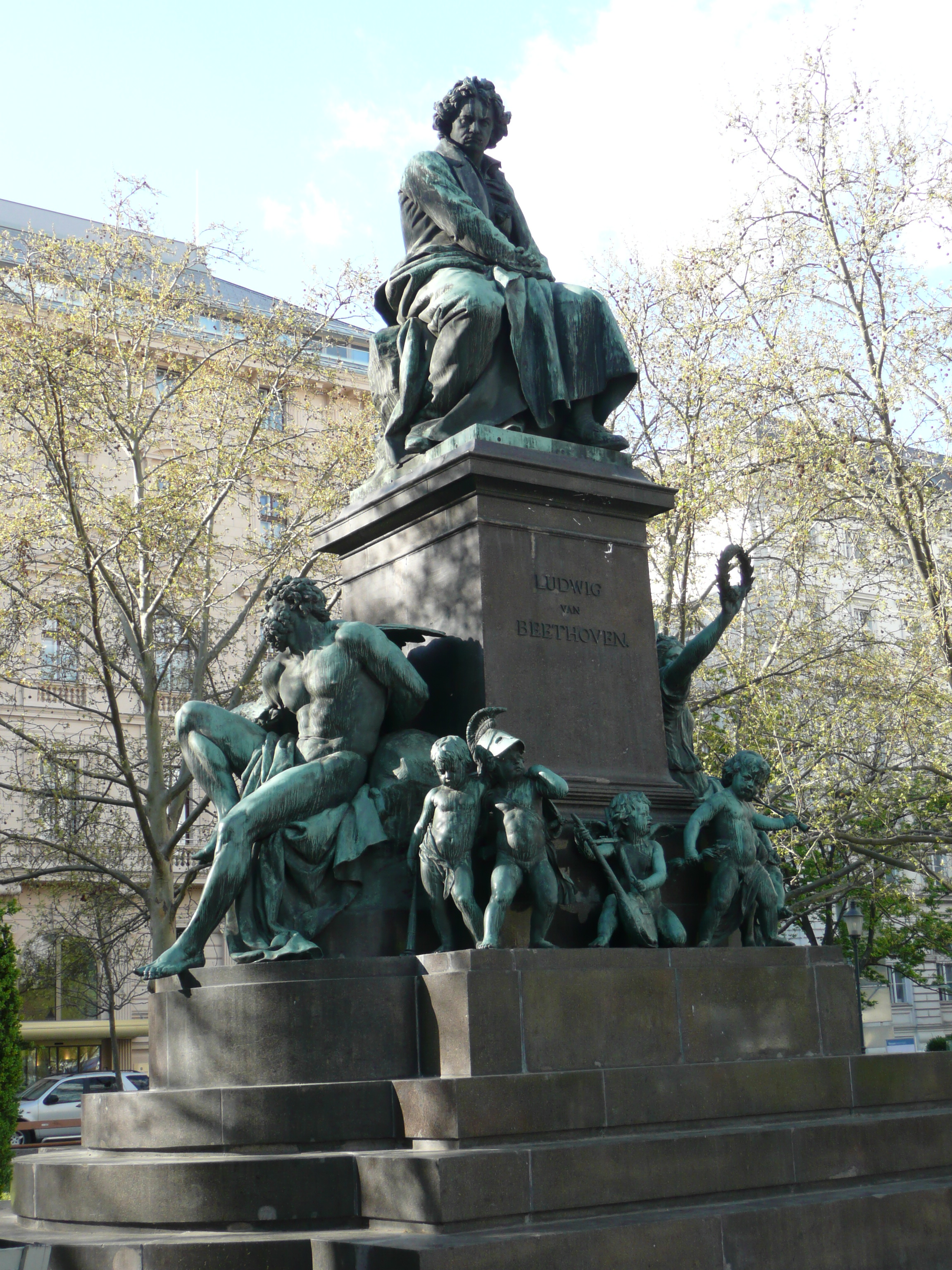
They drove in silence as dark clouds gathered in the sky above. Hans pulled the car into a lay by and proudly pointed towards an imposing statue of Beethoven sternly surveying his eponymous Platz.

Isabelle got out and wandered up to the statue. He looked regal and rightly honoured in pride of place in his own little square. Groups of young students came and went as Isabelle took in the scene. To her left was a gothic building containing a performance hall and rooms, and on the opposite side of the square the view was dwarfed by the towering Intercontinental Hotel, and next to that was an ice rink and some construction cranes. The wind whipped around her like a mini tornado but she felt exhilarated.

She took a few pictures and climbed back into the warm interior of the waiting car, brushing her hair away from her face, and Hans sped off further into the city.

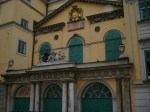
Their next stop was the Theater an der Wien, a relatively innocuous looking building amongst the classical finery of the city. Its early nineteenth century yellow façade appeared a little shabby, but the theatre had seen thousands of Viennese concert goers through its green doors during its history. She studied the guidebook to see that it had been built in 1801, and the statues above the doorway were in fact depicting Papageno, from Mozart’s Magic Flute. Reading further she saw that it had also premiered Beethoven’s Fidelio in 1805.

‘It’s hard to believe Hans, but his violin concerto, which was my favourite, premiered in this very theatre on the twenty third of December 1806, after a rushed completion and next to no rehearsal. The Viennese didn’t take to it, and it wasn’t performed for about another four decades. These days it’s in every soloist’s repertoire as one of the great violin concerti, and has even been transcribed for the piano.’

‘It seems even the best of us sometimes have to wait for success,’ concurred Hans.

Isabelle studied her book. ‘Luckily his grand Symphony number five in C minor fared a lot better in December of 1808. His pastoral Symphony and the fourth piano concerto were also premiered in this unremarkable looking building. What I find amazing is that it’s still in use for concerts in the twenty first century.’

‘The concert hall interior is magnificent.’

‘Can we go in Hans?’

Hans disappeared into a small door around the back of the theatre. Isabelle could hear lots of banging and drilling going on inside. He emerged a few moments later shaking his head.

‘I’m so sorry, but unfortunately they are doing renovations ready for Mozart’s two hundred and fiftieth birthday celebrations in the New Year, and so it is closed to the public.’

Isabelle’s shoulders dropped as she sighed. ‘What a shame.’

Hans led her back to the car and she obediently followed him as he opened the door for her. This kind, tall, strong Austrian man had a grace of movement that was masculine and yet gentle.

The snow began falling again as the engine roared back to life, and they drove towards the Palais Lobkowitz.

‘Hans, I understand Prince Lobkowitz was a great patron of the arts one of Beethoven’s strongest supporters?’

‘He was indeed, Isabelle, along with Prince Karl Lichnowsky, Count von Fries and Archduke Rudolph. If you like, I have an interesting anecdote to tell you, about when Beethoven was making a reputation for himself in Viennese society as virtuoso pianist.’

‘Oh Hans, yes please, do tell, I need insider information for my article. I’d love to know what happened.’ Isabelle leaned forward slightly, stretching her seatbelt.

‘You may know it already, but Prince Lobkowitz organised an improvisation contest between Beethoven and a Prussian pianist popular in Vienna in 1800 called Daniel Steibelt.’

‘I’ve never heard of him, Hans. How cool, a salon duel on the ivories. Please go on.’ Isabelle strained her neck a little closer to Hans.

‘In fact they met twice, firstly at the von Fries residence, the Palais Pallavicini. Steibelt was already an established virtuoso on a tour of European capitals and wanted to make his mark in Vienna. He was known for his, how do you say, tremolandos. The first time they met I’m afraid Steibelt apparently impressed the aristocracy more than Beethoven with his fancy performance of his own Piano Quintet. By all accounts he was condescending in attitude towards Beethoven, who refused to play again on that occasion.’

‘Knowing what an irascible temperament Beethoven had I’m sure his blood must have been boiling after that,’ Isabelle said.

‘Most certainly, Isabelle. A rematch was planned a week later at the Palais Lobkowitz.’

‘Oh! The anticipation! What happened Hans?’

I’m pleased to tell you that Beethoven got his revenge on Steibelt at their second meeting. The aristocracy must have been on the edge of their seats under such an atmosphere of hostility. It is said that Beethoven parodied his precious tremolandos and indeed Steibelt’s entire composition. He imitated Steibelt’s Quintet for the ordinary piece it was, and exposed it in a humiliating fashion. He then began to improvise on it with such brilliance that the audience could barely believe what they were witnessing.’

‘Bravo Beethoven!’

‘Steibelt stormed out of the salon while Beethoven was still playing, indeed, mocking him.’

‘Game set and match Ludwig,’ replied Isabelle.

‘Beethoven was known for having small but very intense and bright eyes. They must have surely been blazing that night,’ Hans concluded.

‘Wow. It would have been incredible to have seen him in full flow, going hell for leather against an opulent backdrop with all his unrefined clothes and mannerisms, trumping some posh, over inflated big wig,’ Isabelle said.

‘Yes. He so comprehensively showed up Steibelt that he left Vienna with his pride in tatters and went straight back to Berlin, refusing to ever play in Vienna again if Beethoven were present.’ Hans pulled the car to halt. ‘And here we are, in front of the very building where it all happened.’

You will have to read the novel to become immersed in the rest of Vienna and the raunchier scenes! These chapters of The Virtuoso are a love letter to Beethoven and Vienna.

I wonder if other writers also worry that they haven’t got enough information on a real place to do it justice? In my case I had to work from old memories and photographs, but my emotions at the time made a big impression on me.

Heiligenstadt Testament

I found this piece of music written to evoke Beethoven’s Heiligenstadt Testament by Russian composer Rodion Shchedrin:

I have included a small gallery of photos mostly taken on my 2011 trip.  Just click on a picture to enlarge.

Vienna truly is the ‘City of Dreams’ as well as the ‘City of Music’.


Ruminations on the Benefits of Meditation

“Work is not always required. There is such a thing as sacred idleness.” ~ George MacDonald

Meditation is an ancient discipline. Sages, monks, and those seeking to understand the Self have been voyaging into the spirit for millennia. In this modern day and age many of us lead busy lives and don’t have the time it takes to master the traditional techniques, let alone practise the discipline on a regular basis in order to avail ourselves of the results it offers. Life can get so crazy sometimes.

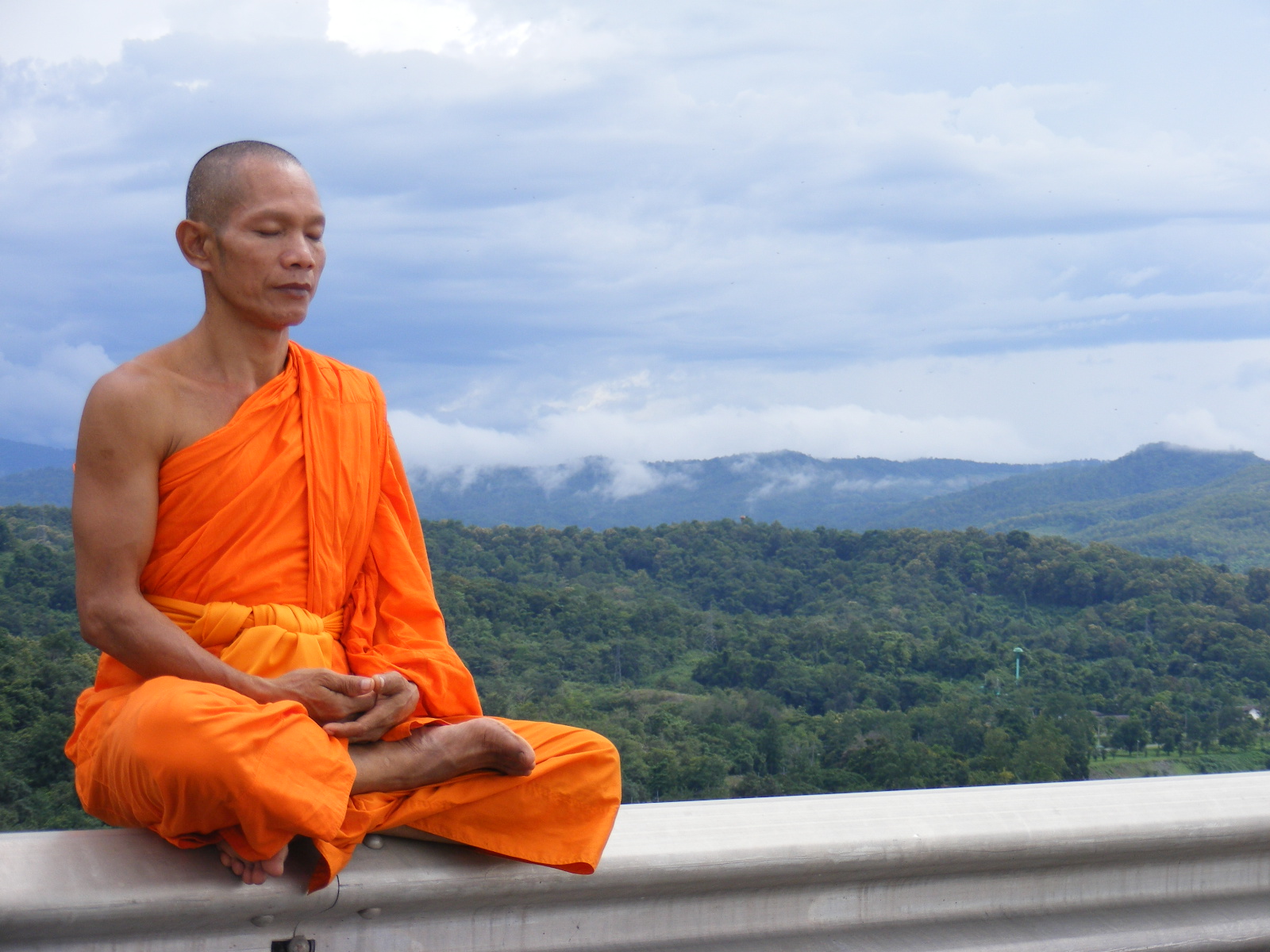
Phra_Ajan_Jerapunyo-Abbot_of_Watkungtaphao.I’ve been through some pretty rough times in my life and there’s no doubt that for a while it was touch and go if I was going to make it.  Mentally and emotionally I was at rock bottom, and that’s when your thoughts can go really dark.  But I managed to pull myself up by my bootstraps (with some help), and in the midst of my woes I discovered meditation.  Or to be exact, the lazy person’s meditation system called Holosync. It still requires a small amount of discipline to actually listen to it on a regular basis, but the results are accelerated compared to sitting cross legged chanting “Om” for hours on end. I have been meditating for a decade now, and I’ve never regretted it – not once.

In fact, you could say that it’s rather a mental crutch for me, my hour of bliss at the end or start of a day. So many voices and tasks are vying for my attention, and under the daily onslaught I love to just shut everything out and go inwards for sixty minutes. Time for mindfulness is essential for all of us. Maybe you prefer a long walk in the countryside, or to play a musical instrument (I love that too), but nothing quite beats the feeling of peace and euphoria that the Holosync audio technology can induce in the brain. But for me it’s not just about creating a feeling of Zen for the duration of the CD, it’s about long term evolutionary growth.

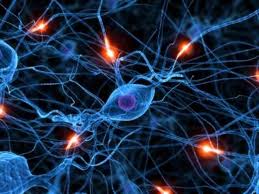
brain impulsesMy own experiences have been mostly pleasurable, sometimes my mind would be in overdrive and feelings of anxiety would surface as Holosync temporarily pushed my nervous system beyond its capacity. Over time I felt lighter, and eventually mental and emotional baggage dropped away as it came into the light of my awareness.  I noticed I had more clarity, increased focus and concentration, more energy, I felt happier, had more awareness and a sense of inner peace. The occasional discomfort is worth it. For relatively short durations I would feel all at sea as my meditation created emotional upheaval, but I learnt to just witness my tumult, and I noticed over time that many of my dysfunctional behaviours ceased. That’s because we can’t act out behaviours that don’t serve us when we are conscious of them. The buried traumas and negative beliefs that are transparent to our conscious mind run on auto pilot, causing our self-sabotaging actions. We don’t know what we don’t know.

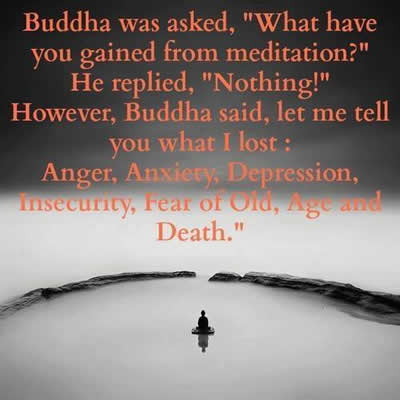
Buddha-quoteI can honestly say, now looking back at my progress with Holosync over the years, the most impactful improvement has been the lessening of feelings of fear and helplessness. I feel more in-tune with my soul. Don’t get me wrong, I still have my fair share of challenges, and I still have times when I’m feeling physically and mentally over-amped and antsy. But I feel that now those times are shorter and less intense, and I have increased resilience to overcome the problems I face. I’ve definitely become more creative since I started meditating.

I made the decision to join the Inner Circle and commit to listening to every level, and I’m now on disc 4 of Flowering Level 3, the journey is almost at an end. But, as Bill says, the changes are permanent, as the brain creates new neural pathways in the course of the programme, so it’s a solid foundation to build on.

There are four major categories of brain wave patterns (plus Gamma) that our brains are subject to at any given moment:

brainwaves

  • Beta – This is the most rapid pattern, (other than Gamma) the lower range governs normal waking consciousness, concentration, alertness, arousal, cognition, whereas the higher levels are associated with stress, anxiety and anger, fight or flight.
  • Alpha – The slower patterns of this state prevail when you are more relaxed, perhaps reading an engrossing book, watching movie, when you are in your ‘flow state’ and in the lower range of Alpha is the twilight zone just prior to sleep, a time of heightened creativity. Thomas Edison famously utilised this state to create his inventions.
  • Theta – Normally associated with dreaming sleep, increased creativity, super learning, integrated experiences, aha moments, lucid dreaming, visions and REM. Theta spikes aid belief, integrative and habit pattern changes. The brain makes lots of stress busting endorphins in Theta.
  • Delta – This is the brainwave pattern of deep, non-dreaming sleep. It’s a trance like state, where the brain emits human growth hormone (HGH), melatonin (a powerful antioxidant) and DHEA (which acts as a buffer to the stress hormone Cortisol) all of which aid longevity, reduce stress and enhance wellbeing.

For the first two years of Ruby’s life I probably averaged about 3-4 hours of sleep per night. I don’t think I could have functioned without the benefits that I had accrued with my meditation, both physically and emotionally.

New meditators start on the Awakening Prologue, and move on from there. In this support letter Bill explains the different levels and how long they take to complete: support letter

Centerpointe supply new customers with plenty of information about what to expect and how to use the technology, and they have a full support team there to talk to if you are having experiences that you don’t understand or are not sure what to make of. With each new level the carrier frequency is lowered so your brain is doing more work, just like an athlete improving their fitness and pushing their body to new limits.

meditation-quotes Osho

At the start, and at the beginning of each new level you listen for 30 minutes only for the first 14 days, this is The Dive part of the audio, consisting of pleasant chimes and crystal bowl tones, and then you progress to listening for the full hour, the second 30 minutes is called Immersion, and is evocative of sitting under a hut in tropical rain. It’s beautiful.  During Immersion you are taken into Theta and Delta brain waves. It’s hard to describe the wonderful feeling of being awake in Delta. On more than one occasion I had a profound mystical experience, which transcended anything anyone could have told me about.

brain_brainwavesBecause the brain communicates between both hemispheres as a result of meditating the mind evolves into whole brain functioning. Bill Harris likens whole brain thinking (rather than using only one hemisphere) to thinking in stereo. It’s the realm of genius!

I can only relate my experiences with Holosync as that’s the system I have been using. I don’t think I can put a price on my development, but as a member of the Inner Circle I was offered discounted pricing than if I had just paid as and when I progressed onto the next level, and I was able to pay this in affordable monthly installments. Check out their website for full details if you think it might be something you want to try. And no – I’m not on commission!!

A bit of background:

Bill Harris, the founder and CEO of Centerpointe was inspired to create Holosync when he read an article in Scientific American by researcher Dr. Gerald Oster of Mount Sinai medical Center in New York, written in 1973. The article was titled Auditory Beats in the brain, and it detailed how electrical brain wave patterns resonate to certain precise frequencies when presented with audio tones of certain frequencies. In the 80’s Harris studied the research of Nobel Prize Laureat Ilya Prigogine, into the evolution of complex systems (of which the mind is one) and how when entropy is increased it will force an open system to re-organise itself at a higher level of functioning to deal with the increased stimulus.

I could go through a long list of benefits, but they are all covered on the Centerpointe website. The health benefits of meditation have also been documented by Harvard Medical School.

Bill Harris explains the mental, emotional and physical benefits of Holosync:

I’d like to finish on one of my favourite poems, Samadhi by Paramhansa Yogananda, which for me, embodies the mystical and the divine:

I’m the sort of person who likes to push my boundaries and when it’s time for me to depart dear planet Earth I’d like to be able to look back without regret or recrimination and say I gave it my all, I lived life to the full.

Shiva_Bangalore

“The Way to do is to be.” ~ Lao Tzu


A Tale of Two Bridges

7 mile bridge Florida KeysYou’re probably thinking that the topic of bridges doesn’t sound particularly exciting, but for some reason I have a fascination with them. I’m in awe of their designs and feats of engineering, (it’s one thing to draw some plans on paper and quite another to build one that spans miles of water or stretches over deep chasms and ravines. My mind wonders how they manage to stay put and remain firm and safe under continual assault from the elements and with multitudes of people and cars crossing them.

Ponte_Vecchio_at_SunsetThere are so many iconic bridges I’d love to cross. Up there would be the Golden Gate Bridge, the Capilano Suspension Bridge in Vancouver, The Seven Mile Bridge spanning the Florida Keys, the Oresund Bridge from Denmark to Sweden, the historic Ponte Vecchio in Florence and the Millau Viaduct in Southern France. I hope I’d have the nerve to go to the edge of the Stairway to nothingness at the Dachstein Glacier Resort in Austria.

The Sydney Harbour Bridge and the Brooklyn Bridge both offer stunning city views, but a bridge doesn’t have to be epic to be brilliant in my book.

Oxford - The_Bridge_of_Sighs_looking_west_towards_Catte_StreetI found the Rialto and the Bridge of Sighs in Venice very sweet and romantic.  I even love the little Hertford Bridge, similar to, but much smaller than the Rialto, which joins two parts of Hertford College over New College Lane in Oxford. Needless to say I absolutely loved the Charles Bridge in Prague! I always think of the opening scene of Mission Impossible. It’s dark, eerie and shrouded in mist, and well, you know, the agents all get bumped off except Ethan…

If you feel that way inclined you can do a bridge climb over the Sydney Harbour Bridge:

These two guys must be off their rockers! The Russky Bridge Vladivostok:

One for all you adrenaline junkies! 25 Scary Bridges:

That’s all very well you may say, Ginny, but what about the two bridges? Well, I’m getting there.  Who would have guessed that Buckinghamshire and Budapest would share a close link?

Let’s bridge the gap!

The_Szechenyi_Chain_Bridge_and_Royal_Palace_(Buda_Castle),_Budapest,_HungaryThe Chain Bridge in Budapest is both massive and elegant. Straddling the Danube, it joins Pest to the ancient Buda side of the city, topped by its lofty and imposing castle that looks down over the sparkling capital. I had a great couple of days working in the city inspecting hotels that were contracted for the Hungarian Grand Prix. I remember the historical Gresham Palace (facing the Chain Bridge on the Pest side) was being renovated ready to house what is now the luxurious Four Seasons Hotel.

Marlow suspension bridge horizontal view2Around fifteen years after that trip whilst doing some research for my novel, The Virtuoso, I discovered the link between the two places. I’ve been going to Marlow for many years, but because I didn’t delve into its history until recently, I’ve only just made the connection.

Marlow - bridge plaqueMarlow is a local and picturesque market town on the banks of the River Thames in South Buckinghamshire.  It has a pretty white suspension bridge that spans the Thames, linking Marlow to the village of Bisham in Berkshire. Just on the other side of the bridge from the town end nestles the famous Compleat Angler Hotel.

Marlow suspension bridgeMarlow is famous for its annual summer regattas, and was also home to Percy Bysshe Shelley and Mary Shelley, who moved into West Street in 1816.  The writer and poet T.S. Eliot was also a resident of West Street during the First World War. It is also rumoured that Henry VIII courted Jane Seymour on the land where the Georgian House stands, known as Court Garden, which also has a bronze statue on its lawn erected to our most successful Olympian, the five times Gold medal winner – rower Sir Steve Redgrave..

chain bridge BudapestLow and behold it turns out that the Marlow Suspension Bridge, built between 1829 and 1832 and the Széchenyi Chain Bridge in Budapest (completed in 1849) are almost identical, except in scale. They were both designed by the same Victorian era English civil engineer – William Tierney Clark.

The Marlow Bridge was the smaller prototype that preceded its larger sibling in Hungary, built to replace a wooden bridge further downstream, which had collapsed in 1828.

Barabas-lanchid BudapestConstruction in Budapest was supervised by the Scotsman Adam Clark. At the time of its completion in 1849 the Chain Bridge was the first permanent bridge to span the Danube in Hungary and one of the largest of its kind in the world.

Marlow plaqueA plaque on the Pest side of the river reads “To commemorate the only two surviving bridges designed by William Tierney Clark: The Széchenyi Chain Bridge over the Danube at Budapest and the suspension bridge over the Thames at Marlow, England.” A similar plaque has been placed on the Marlow Suspension Bridge, photographed here, if you can read it!

Tierney was among the earliest designers of suspension bridges, and his first bridge was the Hammersmith Suspension Bridge in London, which opened in 1827.  This bridge has since been replaced by a later one designed by Sir Joseph Bazalgette. I have spent many traffic jams driving home from London on that particular bridge…

Simply the Breast

Recent controversy over mothers breastfeeding in public in certain US states has brought the #FreeTheNipple movement to my attention .  It’s about time…

Everybody’s Gotta Eat:

It made me reflect on my own experiences with nursing my four babies. There is much science to back-up the health benefits to mother and child of breastfeeding one’s infant – I won’t go into that here. Suffice to say, my choice was to do the best I could to nourish my little ones. I’m not judgemental about mothers who don’t, or who have problems trying, each of has our own unique experiences and circumstances. But what I do find hard to stomach is the intolerance of others towards mothers who are committed to the long term health of their children. That, to me, is unacceptable. Nursing mothers should be protected by law.

funny breastfeeding picTo effectively be a prisoner in your own home because you are fearful of what others might think is a sad state of affairs. I remember I didn’t venture out after the birth of my first son until I was ultra-confident and we had established a comfortable routine of feeding. Even then I tried to avoid lactating in public. But hey, you have to buy food and other provisions, visit other new mums and attend social engagements, so at some point it has to be done when you’re out and about.

I’ve had to endure sneaky feeds in the car, in the toilet, at the back of restaurants, in friend’s homes etc.  When I had my second son I was more self-assured about feeding, but despite our success at it, and the beautiful bond I had formed with him, I only managed to breastfeed him for 3 months because I had to return to work and it was just too difficult to be expressing milk in an office environment. I couldn’t get on with it at home, let alone anywhere else. Some of my mates would fill whole bottles, compared to my measly few ounces. Somehow the attachment of a machine made me feel a bit too much like Gertrude to really ‘let go’. I had a real guilt complex about that for ages. Luckily Wills seems none the worse for the fact that he was fed for the shortest amount of time of all my offspring.

I remember going to a wedding reception when Wills was only about a month old, and he was voraciously hungry all the time. My let down reflex was so powerful that I didn’t even need to be in the same room with him, I would just leak milk when that strong tingling feeling came over me. It’s time for a feed.  I only had to get caught out once to invest in a ton of breast pads.

Breastfeeding uncoveredNone of us are blatant exhibitionists who can’t wait to show of our new, non-surgically enlarged mammaries: we just have a biological need to feed our babies when they need feeding. There’s nothing more stressful than being in the middle of a food shop only to have your wee bairn exercise his lungs to the extent that the whole store has to cover their ears. It’s very distressing. There’s nothing more natural and easy than being able to attach them to your body, which doesn’t need sterilising or heating to the perfect temperature and has all the exact nutrients your baby needs.

Given the choice many of us would rather feed in private. I would even retreat to the bedroom in my own home if we had visitors, but sometimes it’s unavoidable in public. It’s important for mums to retain some semblance of a normal life, other than being purely a feeding and nappy changing machine in those early months. When I had my girls I used to love going to John Lewis because they had designated comfortable feeding areas that were not a toilet. If only all major retailers had the same ethos and caring attitude towards their customers.

There has been so much education for new mums, and many midwives will help you to get the technique right so that you don’t feel like your nipple has been plugged into the national grid. There are breastfeeding clinics and organisations such as the NCT that do wonderful work all-round for mothers.

Reading about some of the negative experiences of other lactating mums I feel the education really needs to be aimed at the general public. I think most people are tolerant if the mother is fairly discreet in the UK, and companies like Mamaway and Jojo Maman Bebe do stylish nursing tops that make it easier to feed with minimal flesh exposure. But looking to the US, I do feel they are un-necessarily prudish in their outlook. If a woman happens to flash a nipple while trying to get her baby to latch on (and sometimes, if they are really agitated it can take a few goes to get them on right, even for a seasoned pro), to then be liable for arrest because she is ‘exposing’ herself is just beyond the pale. It’s a ticking time bomb. If mums feel isolated and unwelcome  in society in those early months that’s another reason not to breastfeed. A generation down the line there could be all sorts of health issues. Attitudes need to change – fast.

Why should keeping a helpless baby alive stimulate so much prejudice, annoyance and downright scorn?

There is something inherently sick in a society where violent films rake in millions at the box office, where graphic scenes of murder and killing are celebrated, but the sight of a mother doing the right thing by feeding her baby who is in need of sustenance can cause offence. Perhaps the mothers of those individuals should not have bothered with them!

Many first time mums are coping with either some, or all of these symptoms: sore bodies, sore nipples, lack of sleep, lack of confidence, post natal depression, loss of freedom, fear about their abilities as a mother…

The last thing they need is to suffer the accusing stares of ignorant people, and worse, the interruption of a feed by someone asking her to stop or leave when her baby is latched on.

artemisia-gentileschi-1609-madonna-and-baby-jesus

Artemisia Gentileschi – Madonna and baby Jesus (1609)

Breastfeeding has been celebrated in classical, Baroque and Renaissance art, with beautiful paintings from the likes of Peter Paul Rubens, Giovanni Bottrafaffio, Botticelli, Joos Van Cleve, Leonardo da Vinci and Artemisia Gentileschi to more recent artists such as Jean-Baptiste Greuze, Paul Cezanne, Camille Cortot and Mary Cassatt.

Here is a link to a blog on the Facebook issue (but also mentions the prolific amount of Renaissance art on the subject).

breastfeedingI’ve always said that mothers are the ultimate executives. Instead of raising profits we are raising humanity. Let us do that with some humanity! Don’t make us feel awkward or embarrassed about it. We come in for criticism about so many things, either for working too many hours, or for being a stay-at-home mum, or for not breastfeeding, and it is totally unfair. Juggling a career and raising children is challenging, and most of us feel we are not doing enough in either area.  But I think the ‘having it all’ debate is worthy of a separate post.

Every woman must do what she thinks is best for her young one, and someone’s aversion to seeing her God-given assets being used in the manner that God intended –  for the nurturing of her baby, is just not her problem!

I applaud The Guardian for this article written a year ago.

It’s not all bad, some companies are forward thinking, I remember reading about a Japanese firm that allows its new mum employees take their babies to work and feed them on the premises. But that is the exception rather than the rule.

With diabetes, cancer, heart disease and other diseases on the rise and with the NHS and GP’s constantly under so much pressure, isn’t it a worthwhile goal to prevent illness?

You can’t beat a mother’s milk, hence my twisted take on Tina Turner – Simply the Breast!

Useful links: