Surreal Synapses: Stories – The Miracle of the Creative Mind

“Narration created humanity.” ~ Pierre Janet

The unique ability of humans to weave fact and fantasy into stories may have elevated our species more than any other single factor during our time on Earth. It’s miraculous enough that we can mentally time travel in our own minds, but to be able to mentally time travel into other minds (and thanks to the written word, even in ones that are no longer with us), opens up an unparalleled panoply of experience, knowledge, wisdom and imagination that can benefit every person alive.
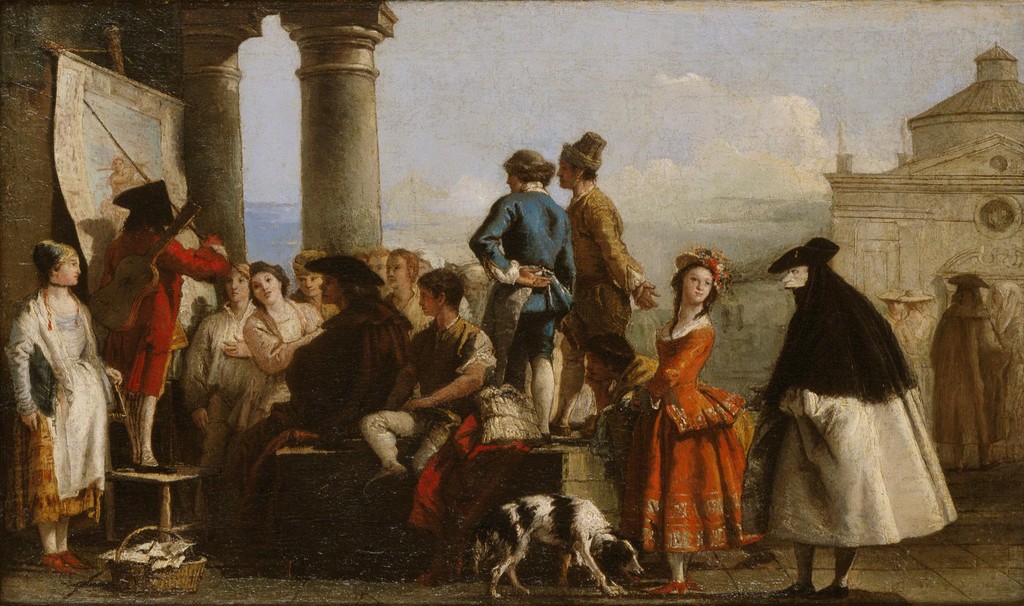
The Storyteller by Giovanni Domenico Tiepolo c. 1773

The Storyteller by Giovanni Domenico Tiepolo c. 1773

I would even suggest that the term ‘survival of the fittest’, first coined by Herbert Spencer and published by Darwin, (also referred to as ‘Natural Selection’ in evolutionary terms), should be upgraded to something like: survival of the finest and most prolific storytellers, or survival of the most imaginative!

The literary scholar John Niles postulated that our species, Homo Sapiens, should be renamed to Homo Narrans – the storytellers.

“Fiction is as important a truth as truth.” ~ Michael Morpurgo

The sharing of our ‘mind wanderings’ has opened up whole new worlds as we collectively meander through many epochs and countless lives. History as we know it is a collection of stories about the past.

We all share a common ancestral heritage – our forebears roamed the African Savannah during the Pleistocene Period, the last ‘Ice Age’, dating from as far back as 2.6 million years ago to the last 12,000 years, during which time modern humans evolved. Storytelling is literally in our DNA! Human connection is a neurobiological need and stories connect us in a powerful, compelling way.
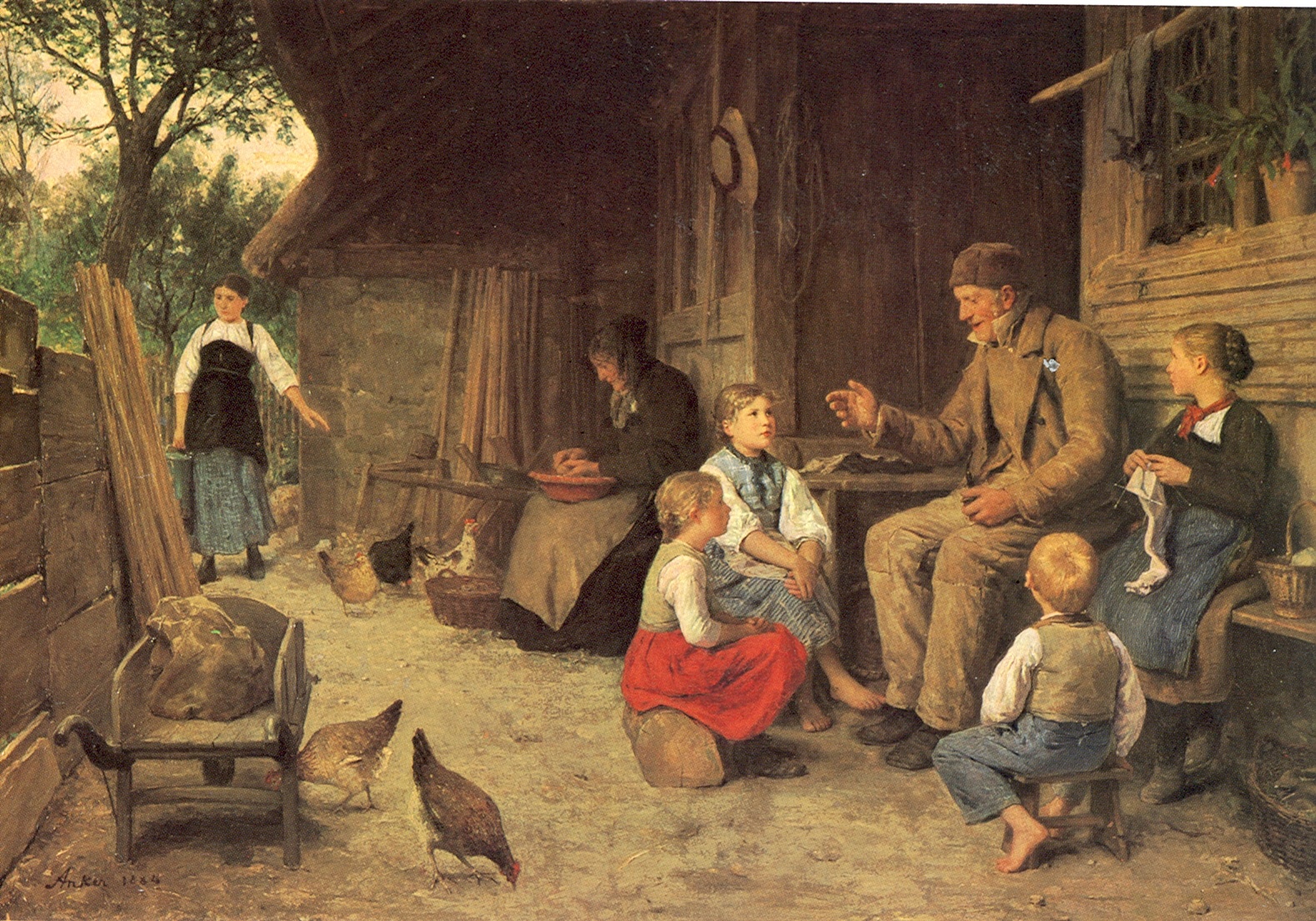
Albert Anker Grossvater

Albert Anker Grossvater

Tribal wisdom about how to survive the harsh conditions and not be eaten by a sabre tooth tiger would have been important information to pass on, along with the hunter-gatherer experiences of foraging for food and useful items to use and keep us warm.

Cave paintings were the earliest non-verbal stories, before conventional language developed. It was perhaps the most important of our social skills, and was usually reserved for the elders and best orators of the tribe, to ensure that their younger members learnt the techniques of hunting and about their food sources. In this way stories of individuals became the experiences of a social group.
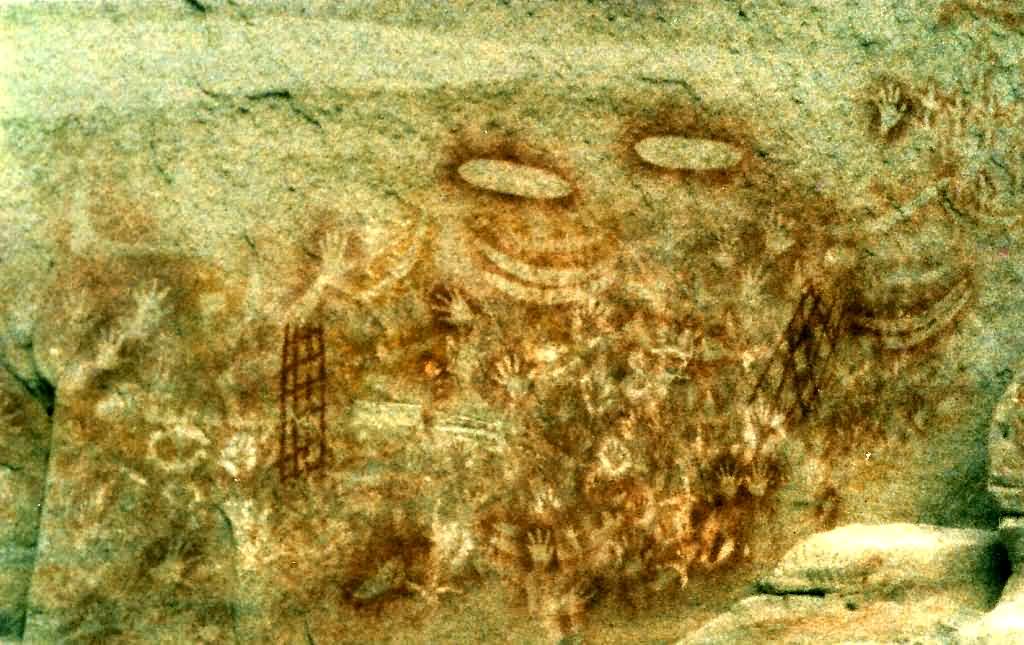
Aboriginal art from Carnarvon Gorge

Aboriginal art from Carnarvon Gorge

Indigenous Australians have told stories dating back 50,000 years, from their first arrival in Australia after their journey from Africa. Preliterate tales of discovery and heroism prevailed through gestures and the spoken word down through the generations, until the written word became a game changing moment in humanity’s evolution.

“Stories are just data with a soul.” ~ Dr. Brené Brown

Stories are so powerful that they can create cultural beliefs and bind people together. The Aboriginal Dreamtime is one such example, and many religions developed from stories. Who hasn’t heard of Adam and Eve?

We only have to look at enduring ancient myths and creation stories that still prevail today, either in their original form or retold with with a modern spin. Such tales are pervasive in cultures all over the world.
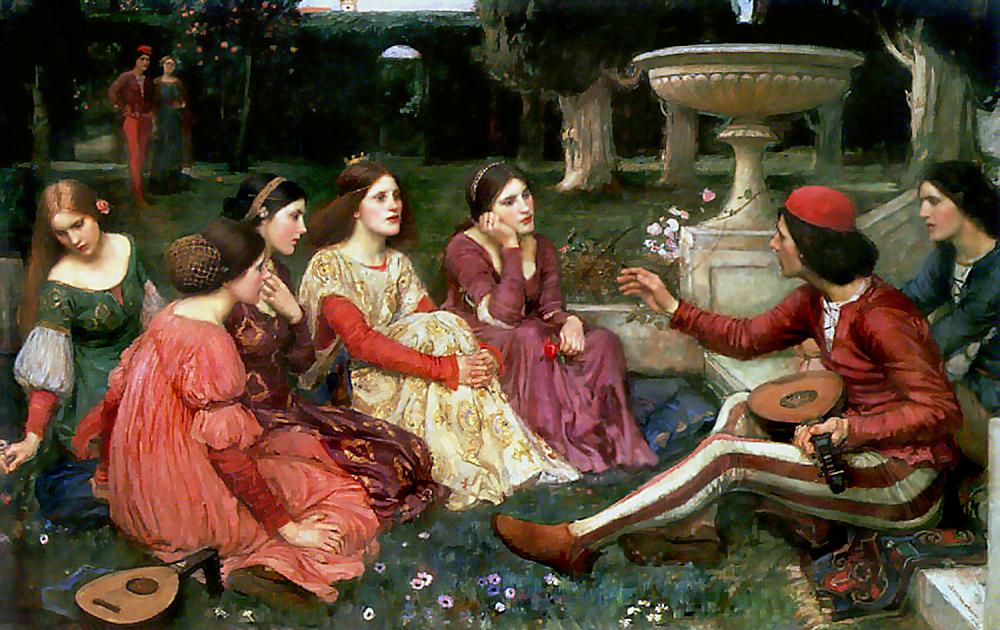
A Tales of The Decameron by John William Waterhouse

A Tale of The Decameron by John William Waterhouse

Stories kept us alive and helped us to thrive, and they are still doing the same today, albeit in a more sophisticated way.

Imaginary adventures stem from play – an attribute that tends to be discarded after childhood, but which is essential for learning and development. My children are oblivious to everything when they are at play, engrossed in their imaginations.

The importance of childhood fairy tales cannot be underestimated. Those beguiling opening words: Once upon a time…lead them onto adventures with elements of danger that they can experience in safety and a playful environment that may stand them in good stead when they encounter an actual fearful situation in real life.
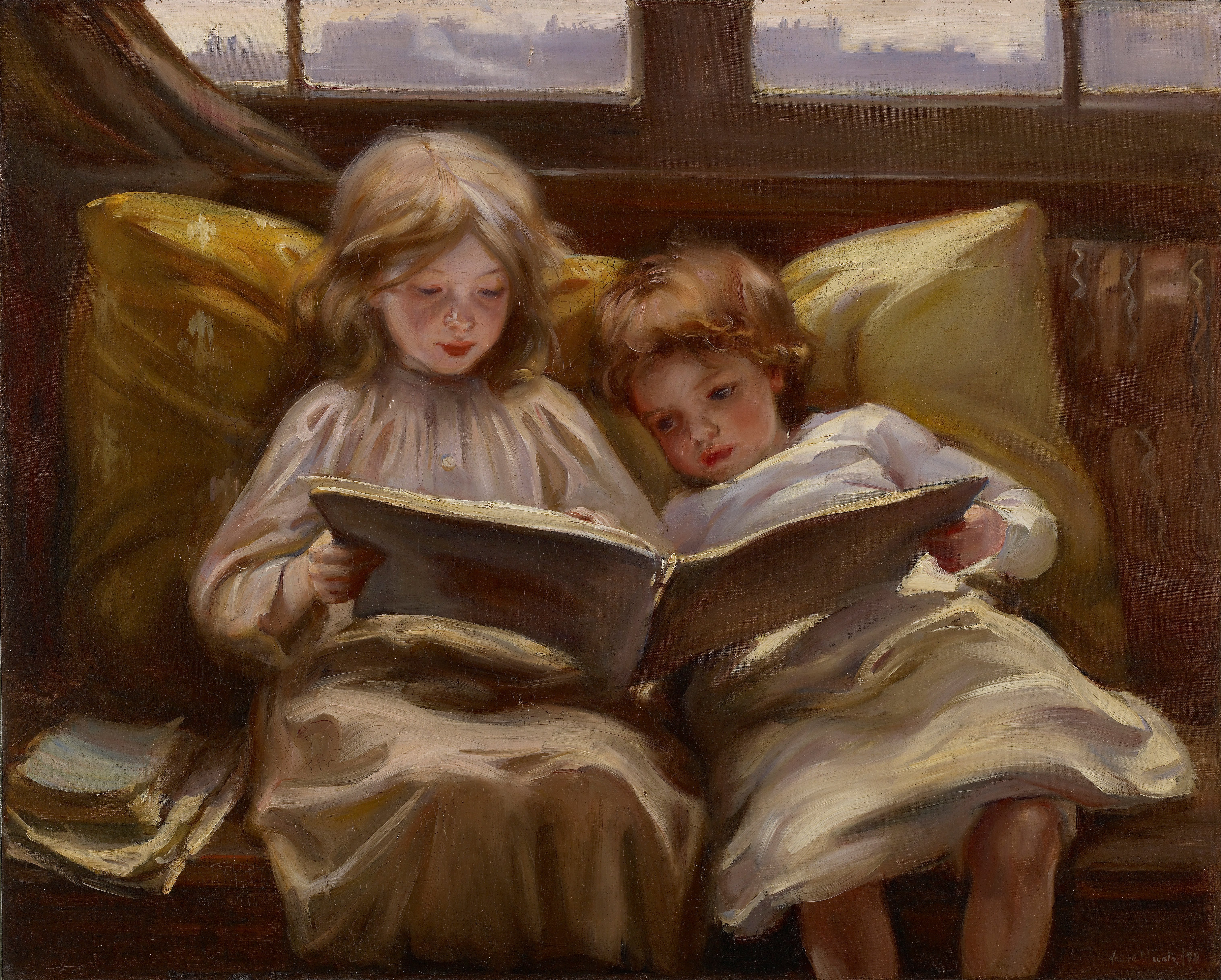
Interesting Story by Laura Muntz Lyall

Interesting Story by Laura Muntz Lyall

Stories open up new possibilities that would take many years of painful experience to learn otherwise.

A great animation about why stories matter:

Language

It is thought that vocal linguistics grew from gestural movements, naturally using arms, hands and facial expressions. Communities could come to agree on meanings, ensuring clarity in communication. Sign language is a perfect example of a conventionalised gestural language specifically for deaf communities.

A fascinating passage from The Wandering Mind by Michael  C. Corballis:

“The vocal calls of monkeys and apes are largely useless for storytelling. The hands, in contrast, are used in a flexible, intentional way, and seem almost custom-designed for conveying information about events. Indeed, the notion of grasping still seems embedded, if only metaphorically, in our very speech. The word grasp is itself often used to mean ‘understand’, if you grasp my meaning. Comprehend and apprehend derive from Latin Prehendre, ‘to grasp’: intend, contend and pretend derive from Latin tendere, ‘to reach with the hand’; we may press a point, and expression and impression also suggest pressing. We hold conversations, point things out, seize upon ideas, grope for words – if you catch my drift.”

It’s thought there are some 7,000 languages in use around the world, each with their own set of ‘rules’ or grammar. English is classified as an SVO language – Subject – Verb – Object, but the majority of languages, such as Latin, are SOV, placing the verb last. All six possible orders are to be found in mankind’s numerous languages, the rarest of which are OSV languages, of which 4 are known: the Warao in Venezuela, Nadëb in Brazil, Wik Ngathana in north-eastern Australia, and Tobati in West Papua, New Guinea.

No matter how a language is structured it is a device that enables the teller to set a scene or an event in a time and place and tell stories of complexity limited only by memory, powers of description and ability to sustain attention, venturing into the minds of others. Something William Shakespeare was quite adept at!

After the invention of writing and later the printing press, epic tales were told as long poems with rhyme and metre, which were popular as an aid to memory, and the earliest known story in literature is thought to be the epic tale of Gilgamesh, about a Sumerian King.
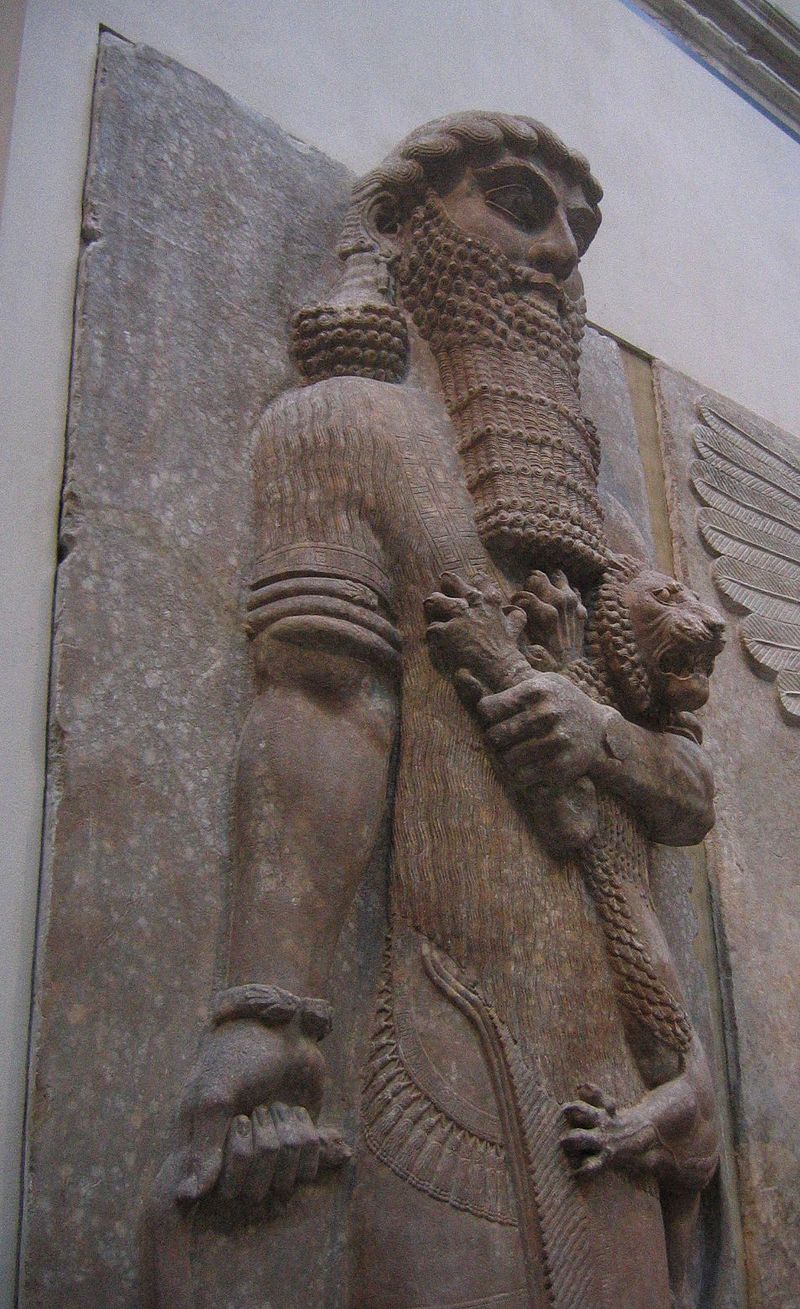
Gilgamesh at the Louvre

Gilgamesh at the Louvre

Fiction

The story of Gilgamesh provided a basis for later works of fiction, and such stories contain a full range of emotions and establish heroes and villains that act as models for the way people behave in society.

fiction (n.)

early 15c., ficcioun, “that which is invented or imagined in the mind,” from Old French ficcion “dissimulation, ruse; invention, fabrication” (13c.) and directly from Latin fictionem (nominative fictio) “a fashioning or feigning,” noun of action from past participle stem of fingere “to shape, form, devise, feign,” originally “to knead, form out of clay,” from PIE *dheigh- “to build, form, knead” (source also of Old English dag “dough;” see dough).

Meaning “prose works (not dramatic) of the imagination” is from 1590s, at first often including plays and poems. Narrower sense of “the part of literature comprising novels and short stories based on imagined scenes or characters” is by early 19c. The legal sense (fiction of law) is from 1580s. A writer of fiction could be a fictionist (1827). The related Latin words included the literal notion “worked by hand,” as well as the figurative senses of “invented in the mind; artificial, not natural”: Latin fictilis “made of clay, earthen;” fictor “molder, sculptor” (also borrowed 17c. in English), but also of Ulysses as “master of deceit;” fictum “a deception, falsehood; fiction.”

Other examples are the famous Greek poems, The Iliad and Odyssey by Homer, written in around the 8th century BC, as well as more recent iconic works: Inferno by Dante, Canterbury Tales by Chaucer, Paradise Lost by John Milton and poems such as Rime of the Ancient Mariner by Samuel Coleridge Taylor and Don Juan by Lord Byron.
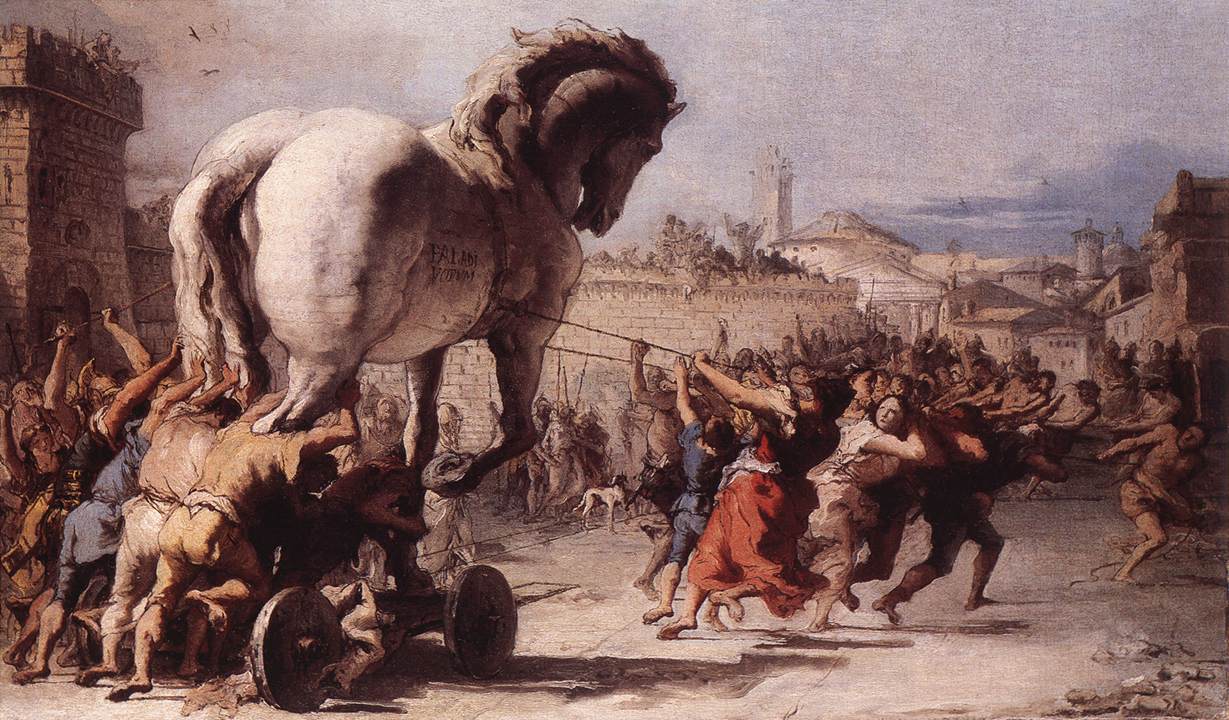
The Procession of the Trojan Horse in Troy by Giovanni Domenico Tiepolo c. 1773

The Procession of the Trojan Horse in Troy by Giovanni Domenico Tiepolo c. 1773

These days we have novels, plays, radio, film and television; stories are much more varied and widely dispersed through a substantial range of media, but the structure of a story is still crucial to its popularity, longevity and influence.

It was only a matter of time before our beloved Jane Austen would be infiltrated by zombies!!

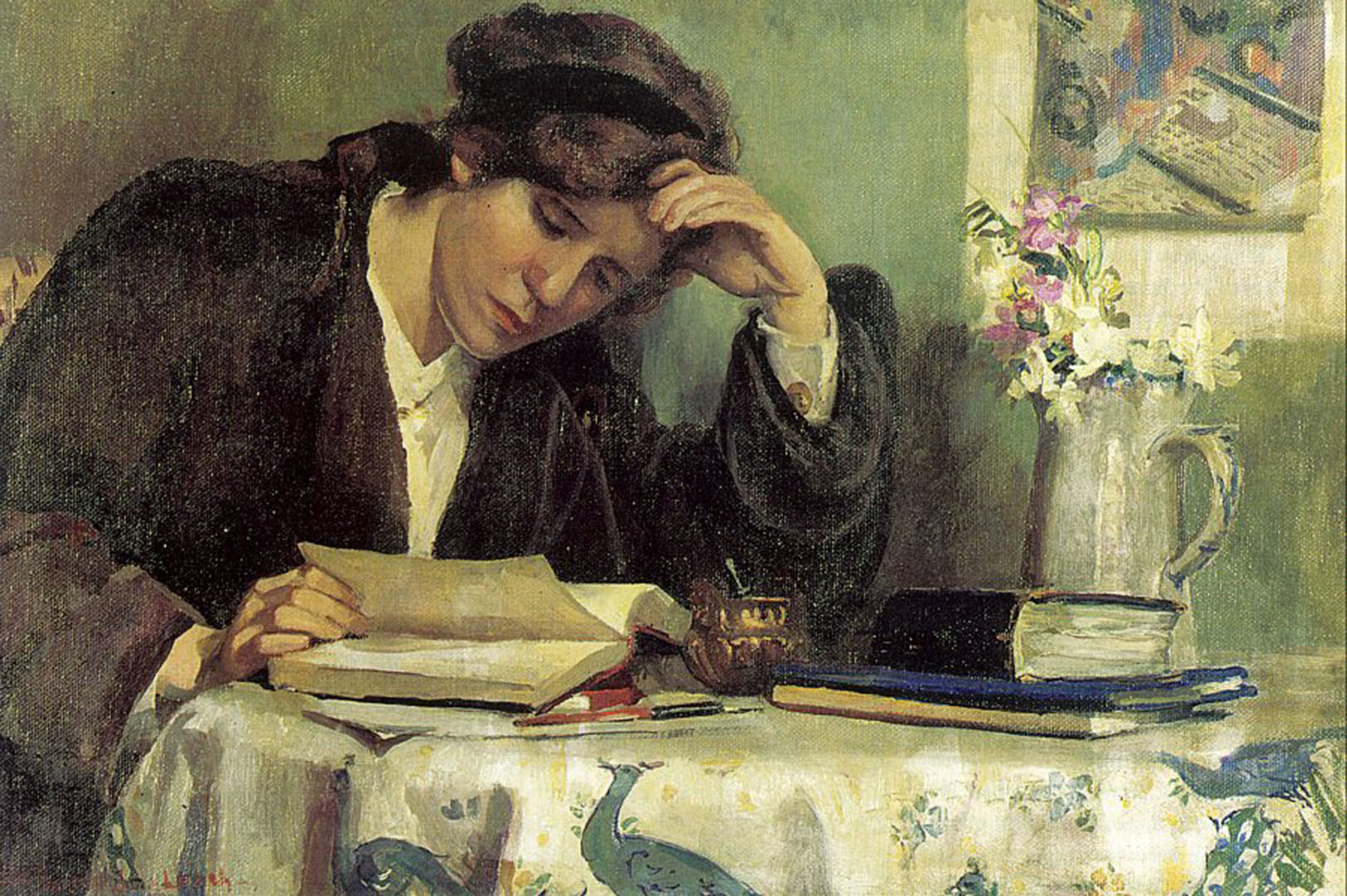
Fiction is essentially a rhetorical art – which means that the author or novelist persuades us to share a certain view of the world for the duration of the reading experience, effecting, when successful, that rapt immersion in an imagined reality that Edward John Poynter captured so well in his painting of a lady reading.
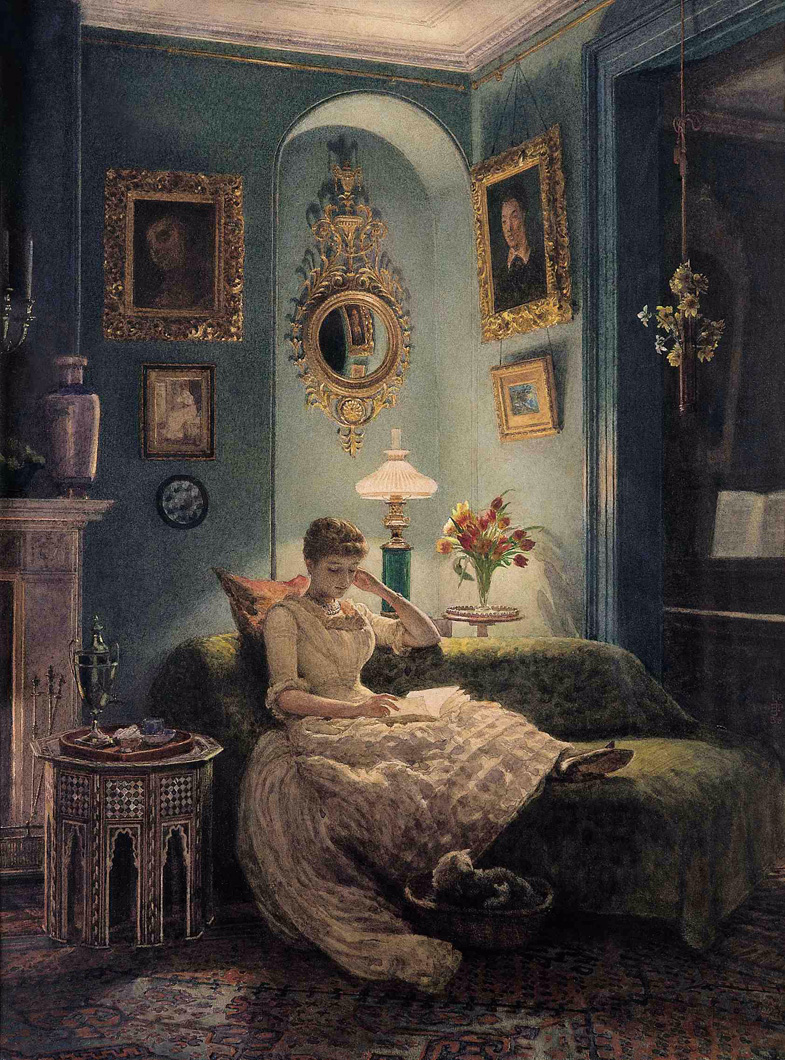
edward-john-poynter-lady-reading

“Fiction is the lie through which we tell the truth.” ~ Albert Camus

In order to spin a good yarn one’s mind has to wander off the beaten path, it has to transcend time and space, as well as purvey these mental time travels in a way that will entertain and educate. To make a living from mind wandering is a noble calling, but it’s not as easy as one might think.

Fiction cannot be a meandering set of scenes that don’t flow on to create a cohesive, compelling story and fail to pull us into that fictive dream. I wrote down the definition of a story I found really helpful from a creative writing webinar:

A story is a single, unavoidable, external problem that grows, escalates and complicates, forcing the protagonist to make an internal change in order to solve it.

We all have books that stayed with us long after we turned the last page – because the changes that the protagonist went through and the obstacles they overcame resonated with similar emotions or circumstances in our own lives. It took us on a meaningful journey.

“Fiction is life with the dull bits left out.” ~ Clive James

A great talk by Lisa Cron – Wired for story. I love that she calls storytelling a superpower hiding in plain sight:

Moral values can be reinforced through the medium of crime fiction for example, where readers can travel through time, (thanks to Arthur Conan Doyle) with the likes of the analytical and unsentimental Sherlock Holmes into other people’s minds and motivations to encounter danger and intrigue and solve a mystery.

Charles Dickens’ stories provide a vivid insight into 19th century London and the often dystopian conditions the poor lived in. Except his fiction was drawn from reality. His theme was social commentary. Dickens was the first novelist to pioneer the serialisation of novels, leaving readers to eagerly anticipate his next book.

“We read so that we know we are not alone.” ~ C.S. Lewis teaching in Shadowlands

Some of our society’s best loved stories were created from pure fantasy, such as Star Wars, and you might think that it can only serve purely as entertainment and to escape the every day drudgery of life. I’ll let you in on a secret: there have been times when I doubted myself and had to mentally give myself a pep talk and tell myself that the force is with me!

Studies show that fiction increases empathy and improves mind-reading, making us better able to understand others. There is scientific evidence that the architecture of our brains is hardwired for story because it gives us context, emotion and feeling.
reading-at-the-cafe

We can thank Aristotle for his erudition on the structure for engaging and memorable stories; namely an emotional connection to the main character and pity over the situation they did not deserve, keeping them reading through worsening situations, obstacles and jeopardy that they now fear from the central conflict, driving them to the conclusion and catharsis, the emotional payoff, the happiness drug that is literally released by the brain when struggle has been overcome, perhaps as fulfilling as some other recreational activities!

“Brain-imaging has shown overlap between areas of the brain activated by reading narrative stories and those involved in theory of mind. One study measured the amount of fiction and non-fiction that people read, and found that empathy was correlated positively with the amount of fiction read, but negatively with the amount of non-fiction. Another study carried the headline ‘Reading Literary Fiction Improves Theory of Mind.'”  ~ Michael C. Corballis

For me, writing and being creative is a combination of mind wandering and focus, and equally reading can set off ideas and mind wandering.

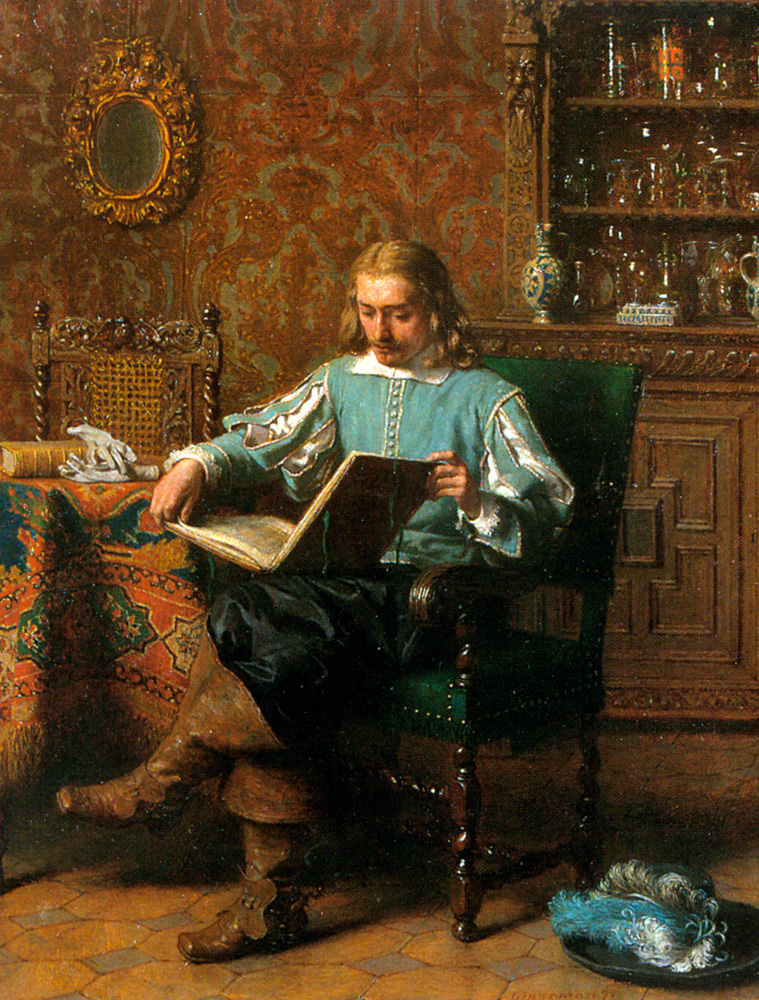
The telling of stories is unique to mankind, allowing us to expand our mental and emotional lives to unlimited horizons. Storytelling is the imaginary portal between our past, present and our future.
a_cavalrist_reading_in_a_17th_century_interior-large

“After nourishment, shelter and companionship, stories are the thing we need most in the world.” ~ Philip Pullman

If Music be the Food of Love, Play on…

“And still, after all this time,

The sun never says to the earth,

“You owe Me.”

Look what happens with

A love like that,

It lights the Whole Sky.” ~ Hafez

Happy Valentine’s Day! I hope you are able to share it with someone who loves and respects you.  Not everyone is involved in a romantic, intimate relationship when the 14th February rolls around, but you will almost certainly have friends or family who will show you that you’re in their hearts and minds.

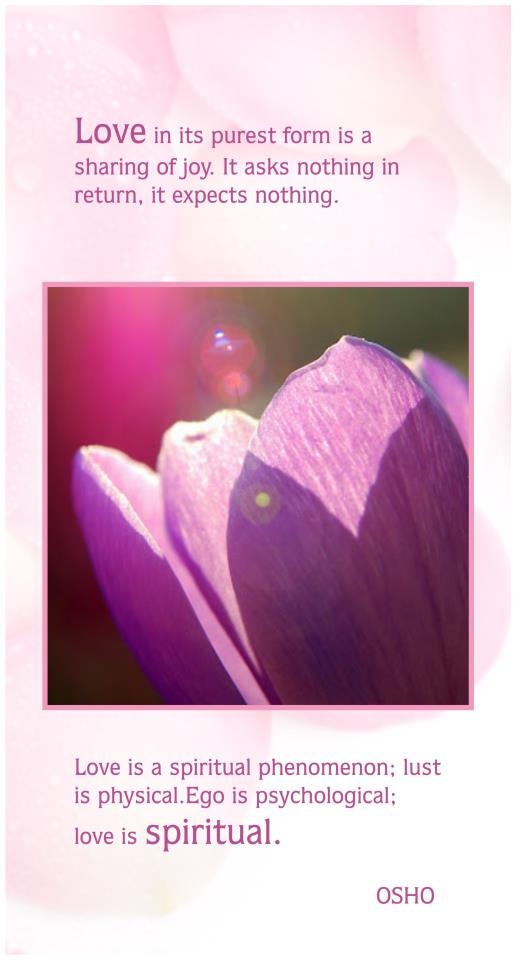
love-osho

There are as many shades and facets of love as there are surfaces on a finely cut diamond, and each touches us and lights up our life in a unique and special way. The most important thing is that somewhere in your life you give and feel love, even if it’s for yourself. Traditionally Valentine’s Day focuses on romantic attachments, but love is too all-encompassing to be identified as purely a romantic attachment.

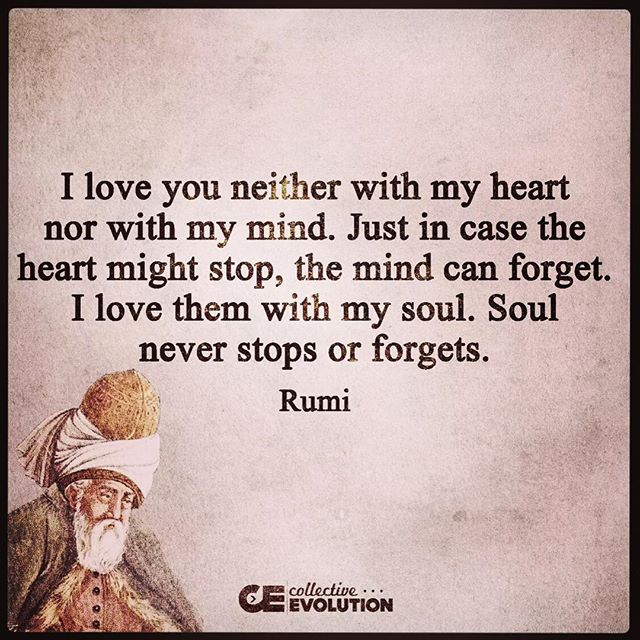
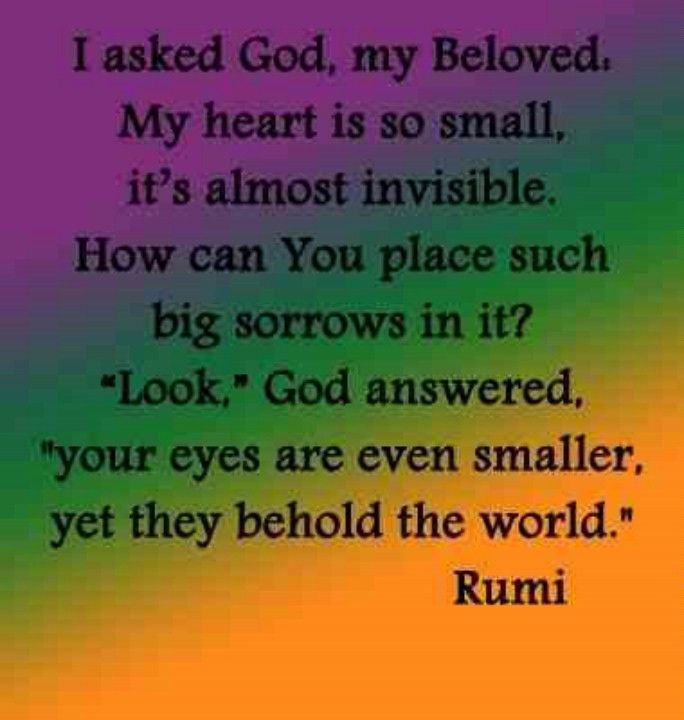
Love kept even our best philosophers busy identifying its purpose and meaning;  but probably the most beautiful words used to express it came from the Sufi poet Rumi.

love-rumi-soul

However, that being said, the voice of a lover is music to savour, as are the notes that spring from a composer’s quill onto lined parchment in a fever pitch of delirium. Their passions and desires, those deep feelings for the object of their affection that would make their heart explode if they weren’t cathartically hauled and wrung from their chest cavity, bursting with love and in some cases, anguish.

The most beautiful, exquisite and soul piercing music has arisen from heartbreak. Unrequited love is such agony, even as it is for two people who long to be together but must live apart. Sometimes being in an unhappy relationship is worse than being alone.

love-rumi-heart

For those in the early stages of romantic love it is like nothing you’ve ever felt. But you are not in control. Those crazy, heady sensations that take over your mind and body whenever that someone special is near is disconcerting. Even if they are far, they are always there, by proxy in your heart. It is like being at sea with no compass and no sails, at the mercy of the elements. Even after the heat of the initial infatuation has cooled a bit, there will be something you cherish from that bond. You can never truly erase such a powerful connection.

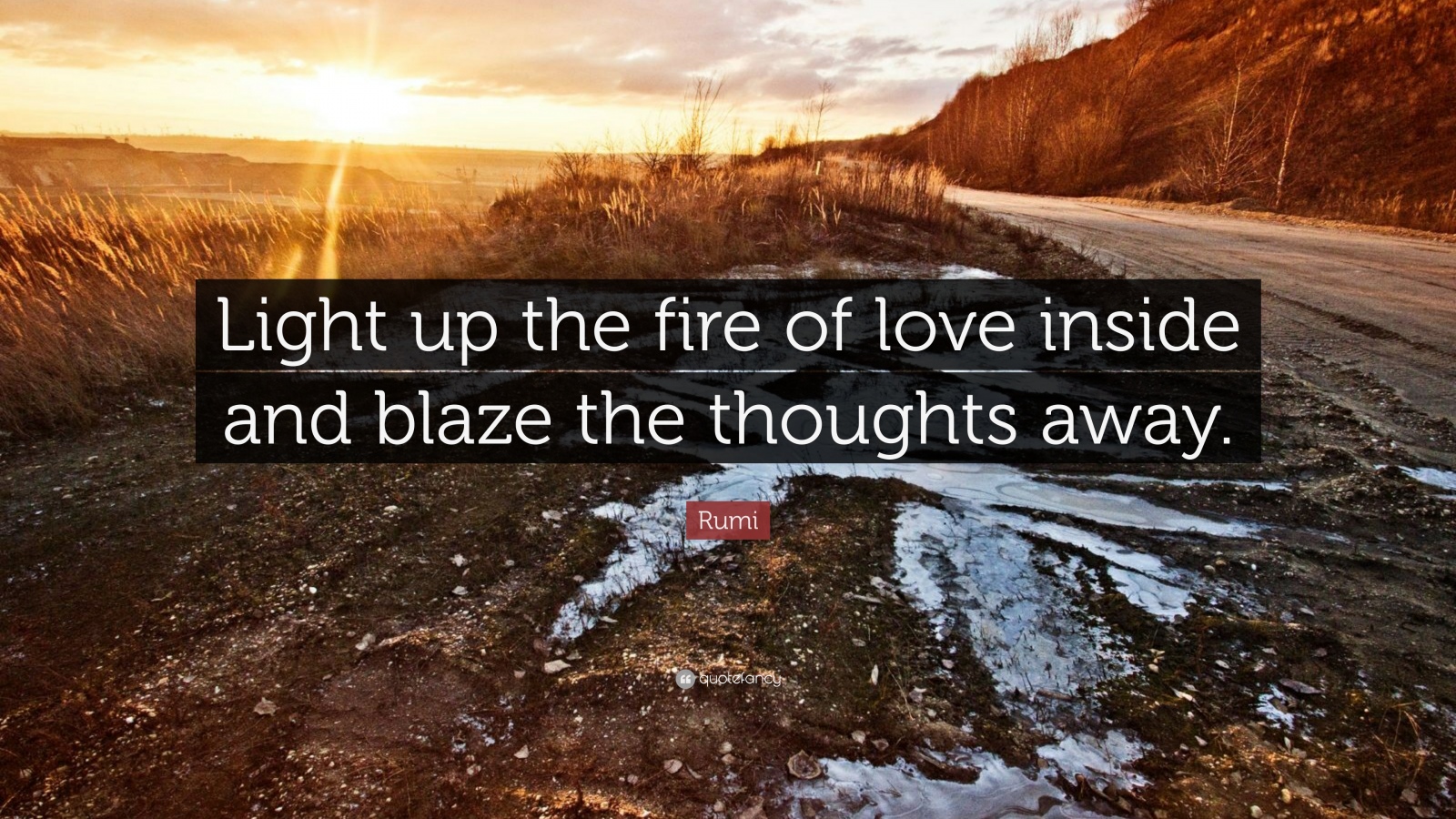
And nor should we, because the highs and lows and everything in between make us who we are. We suffered the slings and arrows of outrageous fortune and we survived.  If you were a composer, a songwriter or writer, you cleansed the pain by creative force of will. But you first had to be consumed by the searing flames to do it.

love-rumi-quote-light-up-the-fire-of-love-inside-and-blaze-the-thoughts

There must be more music and songs written in the name of love than any other subject. Those souls caught in the throws of passion or the depths of despair can relate to what someone else once lived through, what they transmuted into art and culture for the benefit of others.

Is it possible to define this emotion that dominates us so? The lack of it in childhood can cause untold misery, or betrayal turn love into hate. For we cannot have one without the other, the constant companions of our duality. But what if love is more than a feeling? Feelings and emotions are fleeting, by their nature temporary.

‘It struck me tonight how music mirrors life. Fleeting ephemeral moments, made up of beauty, sadness, joy, hope and despair. The melodies are created in both major and minor keys. Flowing and fleeting. You can’t hold onto it, or keep it from changing. Our emotions possess the evanescence of a note.’ ~ The Virtuoso

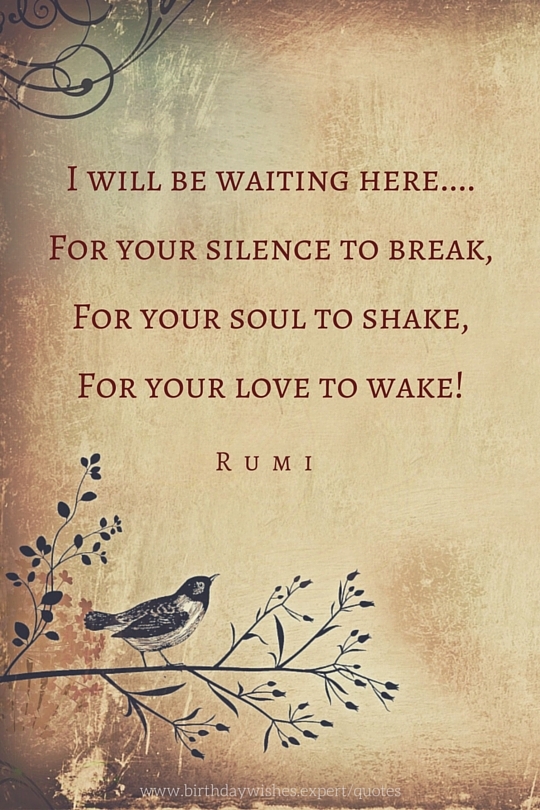
Real, true love is transcendent and unconditional; a state of being in the world. It’s treating all beings with kindness, compassion, benevolence and lovingness.

love-rumii-will-be-waiting-here

Lust is too destructive and romantic love without a deeper regard will never blossom into a more lasting relationship. It would be hard to cope with everyday life if one were permanently in a state of euphoria and ecstasy. Although some historical figures gave it their best shot, such as the infamous Marquis de Sade. He took something divine in nature and used it for his own perverted pleasure and hedonistic impulses.

Intoxication and rapture by their very nature can be addictive…

love-rumi-journeys

Let’s not beat about the bush, we’re all here because two people once loved each other and physically embraced their love. It’s a miracle and not to be treated lightly. However, the Garden of Eden has many thorns and stinging nettles growing in its pristine beds. As Shakespeare so perfectly put it, the course of true love never did run smooth…

So let’s celebrate this invisible force called love, this ethereal yet palpable potion that is strong enough to make men kill and women weep. It can bring untold joy, or pain like no other. Blessed are we who have basked in its magnificent rays, for however long.

love-rumi-in-your-light-i-learn-how-to-love

I have often pondered how and why two people are attracted to each other and at what point that becomes love. Perhaps each possessed an energy field that the other needed? Their coming together fulfilled the yin and yang of each other’s energy. But there’s also alignment – of one’s values, interests and outlook. We each speak a different archetypal language, so there are many twists and turns for us to navigate to our happy ever afters!

The concept that Plato suggested that we each have a twin soul is an intriguing one. The other half of our soul…

And if you did ever feel like your heart had been ripped out and stomped on, that person gave you the opportunity and reason to love yourself again.

love-rumi-universe

Maybe the closest definition I can come to is that love’s purpose is to put us in-touch with our higher selves, to imbue us with soul stamina, to evolve and grow our capacity to love.  We are all worthy of love, and when we give love there is never any shortage from this infinite well. It keeps us in tune with our heart.

Now to poetry and music. I’m merely following Shakespeare’s advice because I’m an inveterate romantic and glutton when it comes to love!

Rumi’s eternal love verses are succour for the soul….

Byron:

Shakespeare, from one of my all-time favourite films!

Percy Bysshe Shelley:

There is nothing more powerful than music to capture feelings and as a portal to our emotions, to a time, a place or a person…

Baroque Beauties:

Thomas Tallis – If ye love me:

 Purcell – ‘My dearest, my fairest’ (Jaroussky & Scholl):

The Fairy Queen – If love’s a sweet passion by Veronique Gens:

Handel – Semele ‘Endless Pleasure, Endless Love’ by Kathleen Battle:

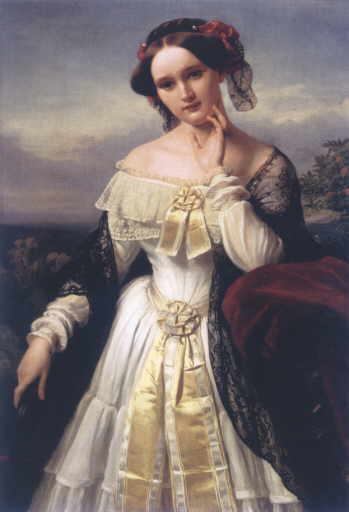
In 1852 the young Richard Wagner became infatuated with a beautiful writer, poet and song composer, Mathilde Wesendonck, also the wife of the wealthy businessman who had bestowed his generous patronage on Wagner.

Mathilde Wesendonck by Karl Ferdinand Sohn c. 1850

Mathilde Wesendonck by Karl Ferdinand Sohn c. 1850

Their love affair seems to have been intense, (at least from Wagner’s perspective), occurring at the same time he was working on his Tristan poem. The final consummation of Tristan’s hopeless love for Isolde, the wife of his liege lord, could only be achieved in death. Wagner also set his beloved’s poetry to music, in his Wesendonck Lieder. Their relationship was hastily ended when Wagner’s first wife Minna discovered a love letter and threatened to show it to Mathilde’s husband Otto.

There can be no doubt that Mathilde was Wagner’s Isolde…

In Tristan and Isolde he perfectly expresses the hopeless, languid longing that was clearly pulling at his own heart strings:

 Tchaikovsky’s immortal Rome and Juliet Fantasy Overture:

Beethoven – Violin Romance No. 2 in F major, Op. 50 with Christian Ferras:

Beethoven – Romance Cantabile in E Minor for piano, flute, bassoon and orchestra:

Brahms – Violin Concerto in D Major, ‘Adagio’, with love oozing from Itzhak Perlman:

Dvořák – Romance for Violin and Orchestra in F minor, Op. 11 with Jodef Suk:

Kriesler – ‘Liebeslied’ (love’s sorrow) with Yo-Yo ma and patricia Zander:

Liszt – Romance oubliée with Guido Schiefen and Eric Le Van:

Liszt – ‘Liebestraume’ No. 3 in E-Flat Major (Love Dream) Harpist unknown:

Liszt – Consolation No. 3 with Nathan Milstein and Georges Pludermacher:

Mozart – Piano Concerto No. 20 K. 466, 2nd movement ‘Romance’ with Friedrich Gulda:

Chopin – Piano Concerto No. 1 in E minor, Op. 11, 2nd movement ‘Romance’:

Rachmaninoff – Piano Concerto No. 2, the romantic, dreamy 2nd movement:

Contemporary Classical:

Paul de Senneville – Mariage d’Amour with Richard Clayderman:

Nino Rota gets the sax treatment with Kenny G:

Adam Hurst – Longing:

Jazz:

My Funny Valentine:

A Kiss to Build a Dream on:

Opera:

Opera arias are in a league of their own when it comes to love!

‘O sink hernieder, Nacht der Liebe’ (‘Descend, o night of love’) from Act II of Wagner’s Tristan und Isolde. Tristan and Isolde rapturously hail their ‘night of love’ to an exquisite melody drawn from ‘Träume’ (‘Dreams’) of Wagner’s Wesendonck Lieder:

Mozart – Voi che sapete with Cecilia Bartoli and Jean-Yves Thibaudet:

Bellini – A Te, O Cara from I Puritiani – Pavarotti & Sutherland:

Berlioz – Les Troyens ‘Nuit d’ivresse et d’extase infinie’ (‘O night of intoxication and infinite ecstasy’) from Act IV. Dido and Aeneas finally admit their love in this exquisite duet:

Saint-Saens – ‘Mon coeur s’ouvre a ta voix’ from Samson et Delilah:

Bizet – Carmen ‘La Fleur Que Tu M’avais Jetée’ by Plácido Domingo:

Puccini – Tosca ‘E lucevan le stelle’ (and the the stars were shining), Pavarotti:

Beethoven’s beautiful aria of wedded love, ‘O namenlose Freude’ from Fidelio:

Verdi – La Traviata (the fallen one) – Maria Callas is supreme in this heart-rending performance of E strano! E strano!

Duke Orsino:

If music be the food of love, play on,

Give me excess of it; that surfeiting,

The appetite may sicken, and so die.

~ William Shakespeare (Twelfth Night Act 1, scene 1, 1–3)

Purcell and the King’s Singers:

Until the next time, with all my love!

La La Land Will Make You Feel Like ‘Fools Who Dream’

On a rainy Saturday afternoon just over a week ago, I took my daughters to see the highly acclaimed film La La Land. They were a little reticent, and quite frankly so was I. What kind of title is La La Land?

I’d heard a lot of hype about La La Land since it sashayed across theatre screens, and wasn’t sure it would be my cup of tea. Although I do like happy-go-lucky, it suits my temperament, and even though I love music, I’m not usually a great fan of musicals. Give me one or the other – a film or an album, a song. It’s tough to combine drama with music and pull it off in a classy, meaningful way.

La La Land does all this and more!

The dreamy, melancholy theme tune, the catchy songs, the romantic and life-affirming story line, the sheer relatability to the central characters and their situation, the acting, the dancing, not to mention its aura of heyday glitz, the bright colours, the panache of the cinematography and lavish, golden Hollywood style will ensure this film becomes a classic.

Behind the scenes featurette:

As I alluded to in the title – to writer and director Damien Chazelle, composer Justin Hurwitz, actors Ryan Gosling, Emma Stone and the entire crew, thank you for reminding me that I’m a fool who dreams! It’s easy to lose sight of them when challenges pile up.

This film really got under my skin. I can’t get the songs and music out of my head (such irresistible, infectious ear worms), and the story told itself into my heart. Like it will into the heart of anyone who’s ever had a dream. It shone a spotlight onto all the raw moments and the beautiful ones that have made up my life thus far…

How did they manage to convey the heartbreak of shattered dreams, the hopefulness that dampens with every perceived failure, and yet so wonderfully capture the beauty of life, the fleeting encounters in those ordinary moments when all seems lost, yet can still change the course of our lives?

What a work of genius…

And who doesn’t need reminding about falling in love, about their dreams, and why they matter?

Mia and Sebastian

At the centre of this heart-warming and poignant tale are Mia and Sebastian. Mia Dolan is an aspiring actress, hoping to get her first part and struggling to hold down her thankless job as a barista in a coffee shop on the movie studio grounds, whilst attending every audition she can. She’s fresh faced, honest, talented and likeable, yet she just can’t seem to catch a break.

Someone in the Crowd:

Sebastian Wilder is a gifted and passionate jazz pianist, down on his luck, cynical about the world, hiding his pain under the surface of an overly ambivalent attitude towards his life.

“I’m letting life hit me until it gets tired. Then I’ll hit back. It’s a classic rope-a-dope.”

Two souls – lonely in the pursuit of their dreams under the sparkling sky of the city of stars – destined to meet. Their first inauspicious encounter happens in a bout of road rage on the rush hour freeway. From the moment of their first narky confrontation we see their separate days unfold – badly. It’s Christmas, but the joy of the season is not reaching either of them.

City of Stars:

Mia’s car is towed away that evening and she walks home after yet another shallow, hedonistic tinsel town party, only to pause outside an upmarket supper club – Lipton’s. There’s something about the sound of the piano emanating from within that draws her to step inside and listen. She instantly recognises the handsome man at the piano as the very same one who’d rudely beeped her as he passed her in her car that morning.

There’s something about his playing, she’s ready to make another friendlier introduction, but on his way out, he pushes past her without acknowledging her. What she doesn’t know is that he just got his head chewed off and was fired by the restaurant owner for straying from the set list of carols and playing his own jazz music.

At this point they’re an unlikely couple, but fate has another hand to play, this time at another party. They soon meet again: Mia as a guest, trying to shake off unwanted attentions of a bore, and Sebastian as a portable piano player in the two-bit band entertaining them. This time they have a conversation and overcome a little of the resentment each feels towards the other.  After the party they walk down the hill and discover it’s actually a lovely night.

A Lovely Night:

Gradually they strike up a friendship and romance, including the dreamy, dazzling Planetarium scene.

Sebastian draws Mia into his world of jazz. He shows her the magic made by jazz musicians jamming in the Lighthouse Cafe together, sharing their emotions through their instruments, recreating the atmosphere that defined a whole era, indeed a whole city. But jazz is dying, and Sebastian wants to invigorate it and show the world how amazing it is. He wants to open his own jazz club. The trouble is, he doesn’t have the money and he’s picked a lousy name.

“I think you should call it Seb’s because no one will come to a place called Chicken on a Stick.”

Mia gives him the name and draws out his logo, but his ego won’t listen. She tells him of her aunt, the one who inspired her love of writing and drama. He suggests she writes her own material to perform, that way she’ll get taken more seriously. She names her one-woman play ‘Farewell Boulder City’, after her home town.

They fall deeply in love, both striving for themselves and encouraging each other in their dreams, but inevitably, as it usually does, life gets in their way. Sebastian is asked to play the piano part in a new, upcoming jazz group, the Messengers, who like to perform a fusion of traditional and modern jazz. He’s not sure at first, he doesn’t quite trust the singer Keith, but the money is good and they’ve already got a record deal, but they have to go on tour.

“How are you gonna be a revolutionary if you’re such a traditionalist? You hold onto the past, but jazz is about the future.”

Mia is naturally concerned, she will miss him, but she tries to point out that it’s taking him away from his dream of opening him own more traditional club. Mia works on her play, and gets a chance to perform it at a small, local theatre. She’s full of excitement and anticipation on her opening night, but when she steps out on the stage there’s only a handful of people in the audience, and crucially, Sebastian isn’t one of them.

He’s busy at a photo shoot for the Messengers that he thought wasn’t until a week later, only to arrive at the theatre after a demoralised Mia has finished with acting and with him.

It’s a fact of life that many of us give up after overhearing an unkind remark, we assume that’s how everyone probably thinks, and decide we can’t do it. Mia is devastated, her play has flopped and worst of all, she has no support from her boyfriend on the night she needed it the most. She leaves Los Angeles and Sebastian to return home to her parents in Boulder City.

Her dream is in tatters and her relationship over. But the next morning a dazed Sebastian gets a phone call from an unknown person looking for Mia. It turns out to be a film producer, she had seen and loved Mia’s performance and wanted her to audition for a film set in Paris.

“I guess I’ll see you in the movies.”

Sebastian promptly jumps into his vintage, open top car and high tails it to Boulder City. All he knows is that Mia had told him she lived opposite the library. He parks and beeps, much to the chagrin of the neighbourhood and a surprised Mia.

This was a magical moment for me. Mia had retreated into her shell, all vestige of self-confidence seemingly gone, even after hearing the good news, there’s no way she’s going back to Hollywood just to be humiliated again. But Sebastian won’t take no for an answer. He makes her an offer, he’ll pick her up at 8 am and if she’s there he’ll take her to the audition, if she’s not then it’s over, she wasn’t really serious about her dream.

At this point in the third act of the film we see them living more in their essence than their identities, and the turning point in both their lives is inexorable.

Luckily Mia shows up, and her audition is brilliant. It made me cry. From that point on I couldn’t stop crying. I’d had a lump in my throat almost from the start.

Fools Who Dream:

I won’t reveal the ending; I don’t want to spoil it for you, other than to say it’s perfect.

I know it’s figments of imagination, but it re-affirmed to me that it’s okay to be fools who dream. And that’s what stories are meant to do, open us up to possibilities, let you live in someone else’s shoes for a while, because they’re not that different to yours. We all live vicariously through the written word and the big screen.

There has to be a fire burning inside, it’s the best way we bring light and warmth into other people’s lives.

“People love what other people are passionate about.”

What Could Have Been:

Even if you don’t like musicals or jazz, this film will make you see the beauty of your dreams, and for that reason alone you should go and see it. In my humble opinion, La La Land deserves all the awards and accolades that have been heaped on it to date, as well as the ones to come…

Oscars anybody?