Ultimate Brain Hack: How to Avoid Losing Your Mind

“To keep the body in good health is a duty…otherwise we shall not be able to keep our mind strong and clear.” ~ Buddha

Recently I was fortunate to attend a workshop on brain health run by Jenny Phillips of Inspired Nutrition. Jenny did a popular guest blog a while back for rhapsody in words on breast health and screening, and as a cancer survivor has written a book everyone should read: Eat to Outsmart Cancer.

With alarming rates of early onset dementia and an ever increasing number of the population suffering with Alzheimer’s disease, she has been fascinated by recent research from the US showing that early cognitive decline can be reversed.

Jenny has a proactive attitude towards health that I wholeheartedly share. Her aim is to help others proactively adopt a lifestyle that will reduce the risk and help to prevent cognitive decline. If we can optimise our biochemistry we can influence the expression of our genes for a positive outcome.
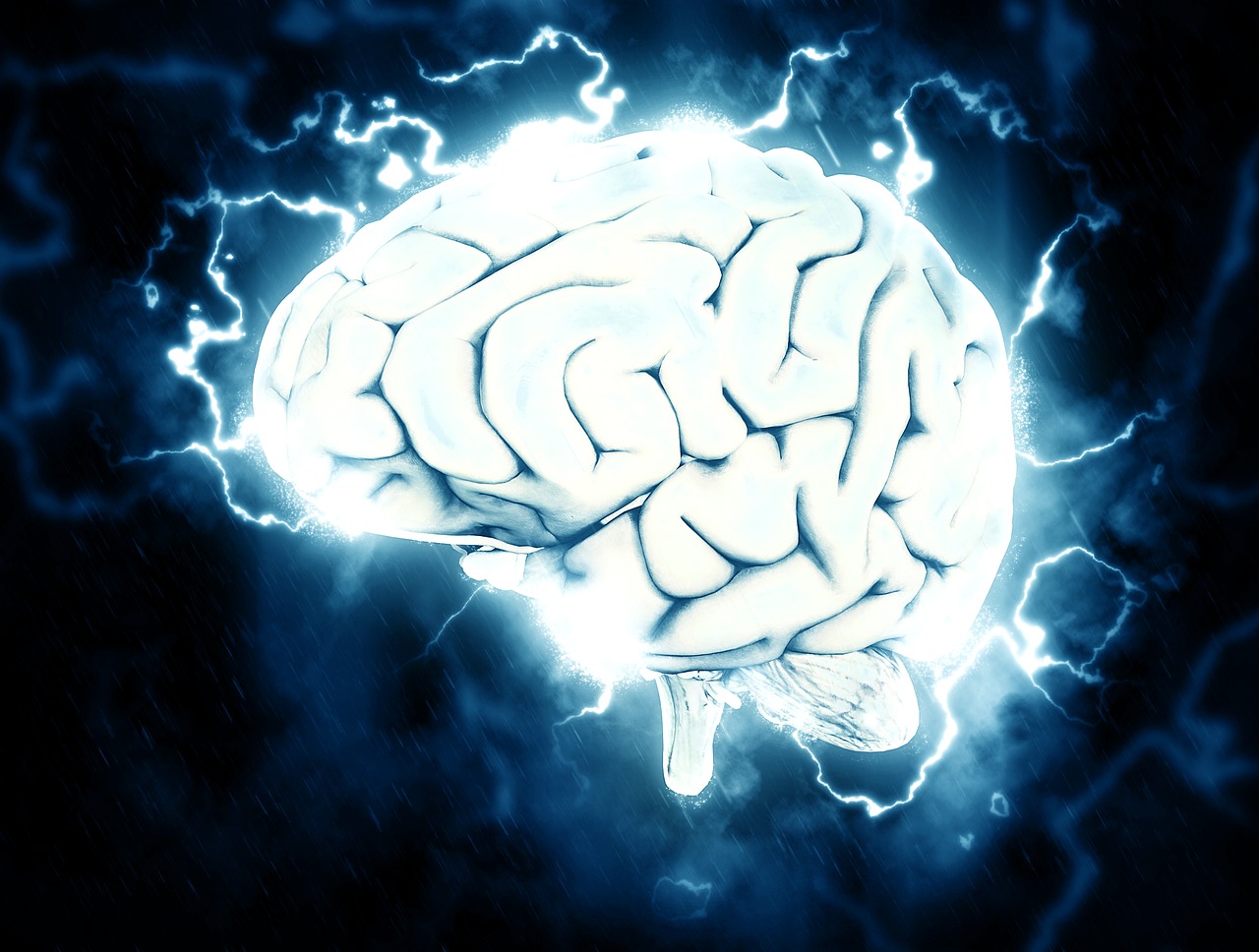
Although Alzheimer’s disease mainly affects older people, according to the WHO it is not a normal part of aging.

What is Alzheimer’s disease?

Alzheimer’s is the most common form of dementia, the umbrella term for a group of neuro cognitive disorders (NCDs); characterised by a decline in cognitive functioning. Symptoms include memory loss, difficulty with language, thinking and problem solving. In severe cases it has the potential to steal our independence and personality. Alzheimer’s was named after the man who discovered this cognitive condition, Dr. Aloysius Alzheimer (1864 – 1951).

From Jenny’s brain health manual:

AD is caused by parts of the brain shrinking (atrophy), which affects the structure and function of particular brain areas. People with AD may have abnormal protein deposits in their brains (amyloid plaques), neurofibrillary tangles (containing tau, an important brain protein), imbalances in a brain chemical called acetylcholine and vascular damage. This affects communication between neurones and results in cell death. Over time the damage spreads and symptoms progress.

The first area of the brain that is usually affected by Alzheimer’s is the Hippocampus, the part of the brain that stores, retrieves and makes our memories.
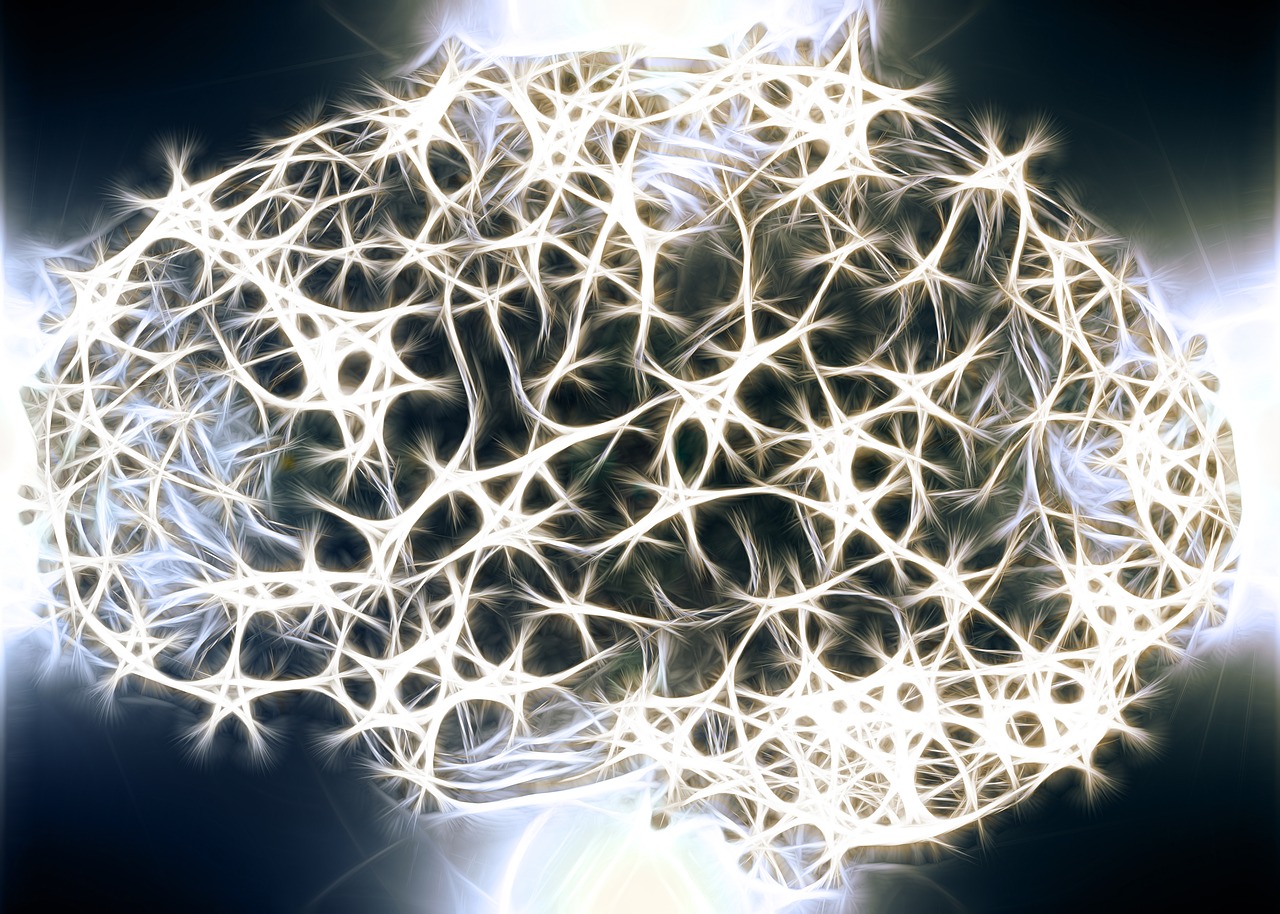
Early onset of Alzheimer’s can very often cause difficulty in forming new memories or recalling recent actions and events. Older, childhood memories tend to remain longer as they are stored in different parts of the brain. We should be able to remember at least 6 numbers or more as a sign of a healthy memory.

There are 3 stages of Alzheimer’s Disease: early – middle – late. Ideally, we should put in place strategies before any early signs appear.

The role of genes

Jenny talked about increased risk of developing Alzheimer’s for those that have the ApoE4 gene and how it is expressed according to environmental influences. She pointed out that if anyone has a history of dementia in their family it might be worth getting a genetic profile done. Knowledge is power, so armed with this information it may encourage people to take their health more seriously and adjust their lifestyle accordingly, to stack the odds in their favour.

Prevention is always preferable to, and easier than cure. There are many ‘hidden’ costs associated with cognitive decline; such as not being able to work, the emotional, physical and mental strains on the individual as well as their family and friends, being unable to perform activities such as driving and many other actions/interactions we may take for granted.
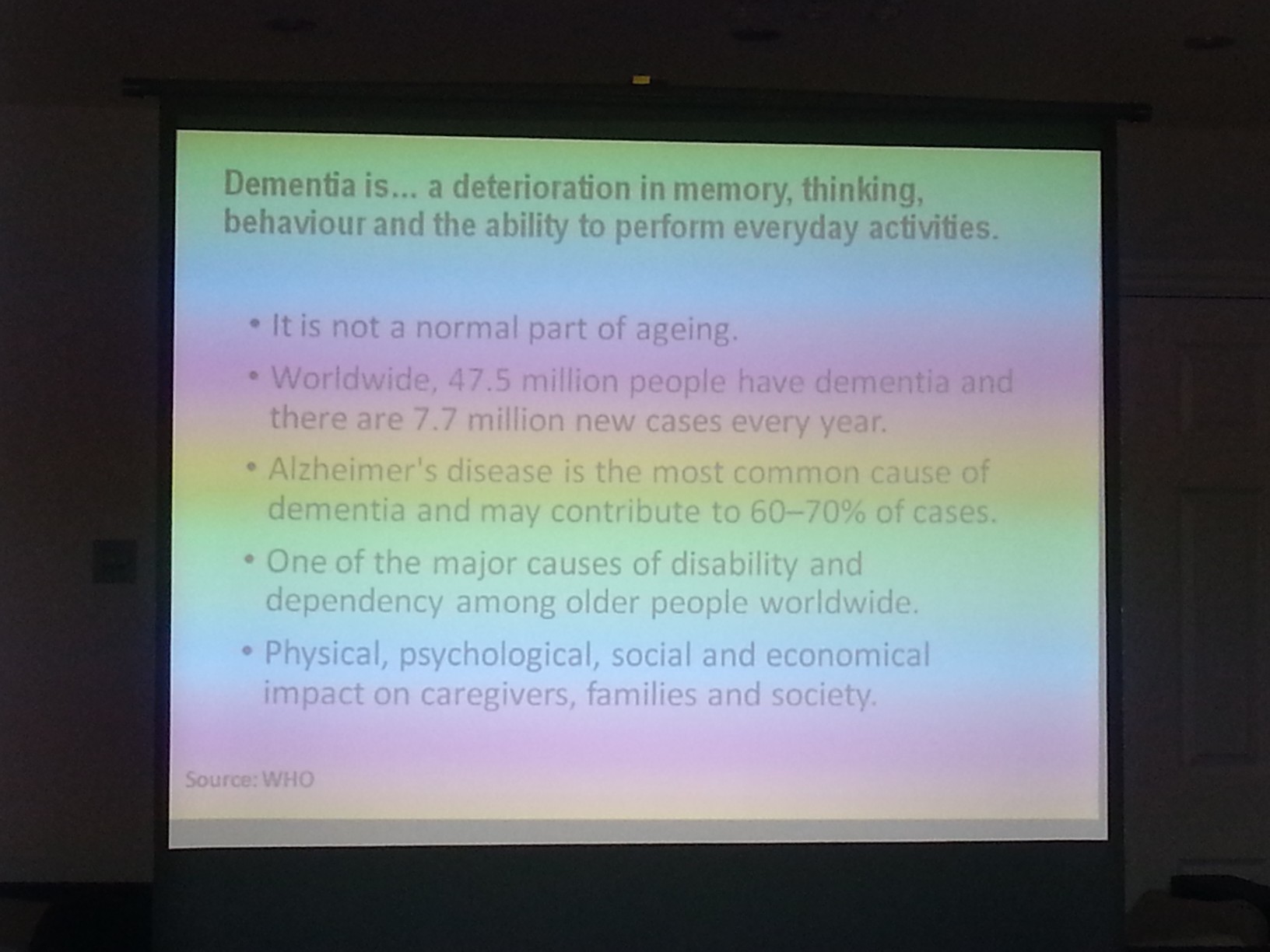
According to the WHO (World Health Organisation), “There is no treatment currently available to cure dementia or to alter its progressive course.”

This view is perhaps a touch pessimistic, and Jenny gave us hope by sharing the latest research. She carefully presented the facts and managed to make a complex subject easy to understand with her relaxed and logical teaching style.
We each inherit 23 pairs of chromosomes from our parents, the blueprint of our genetic makeup; ‘the recipe book of you’ as Jenny calls it. If there are mutations or spelling mistakes this can cause trouble later in life if we are not diligent in managing our lifestyle.

Jenny covered three main areas where we can impact our brain functioning: root cause resolution, optimal performance and protection.

Root cause resolution:

We covered the ingredients for a healthy brain; the raw materials that make it grow.

“For the brain to flourish you’ve got to nourish.” ~ Jenny Phillips

Our brains are 60% fat, which means they need replenishing with essential fats such as omega-3 fatty acids (EPA and DHA). In addition to diet I personally supplement with Dr. Mercola’s krill oil as it’s high in these nutrients and sustainably sourced.

Healthy dietary fats include coconut oil, extra virgin olive oil (uncooked), and butter. The trans-fats that are in margarine and other oils cause oxidative damage to our cells and should be avoided at all costs.
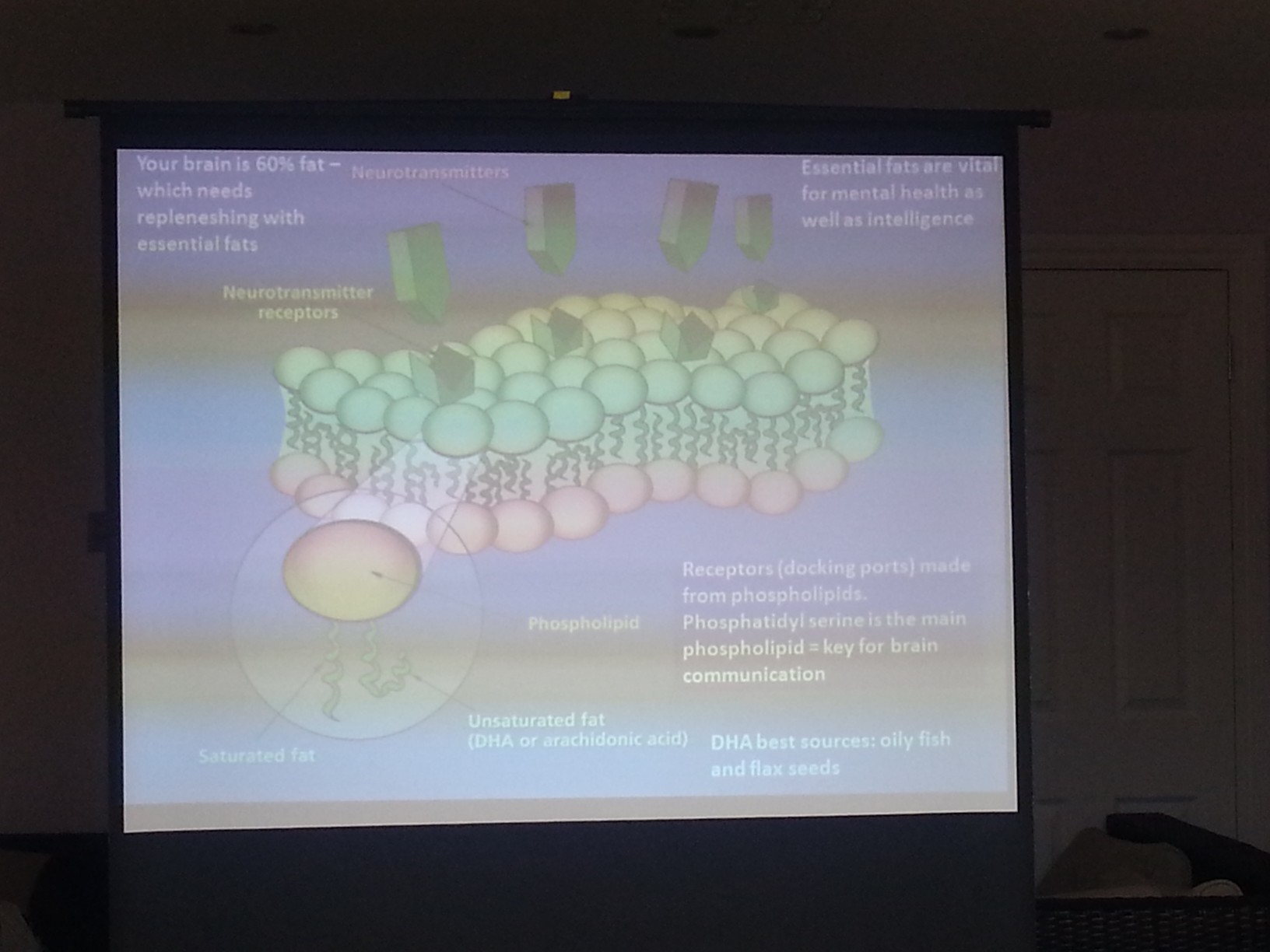
B vitamins help the brain make and use neurotransmitters. The brain also requires amino acids, vitamins and minerals such as magnesium, which has been dubbed the ‘master mineral’ as it is a co-factor in every process in the body. Good digestion and gut health is also fundamental to brain health (as I will elaborate on in a future post).

Optimal performance:

The brain’s main source of energy is glucose. For those in varying degrees of metabolic syndrome (waistline and weight is an indicator), and who have developed insulin resistance this is significant for the brain, as it can’t get the glucose it requires into the cells, as insulin takes sugar into the cells. Anyone with a diet high in sugar and refined, processed foods is at risk. Treatment of insulin resistance may reduce the risk of developing Alzheimer’s disease.

Lowering sugar intake, insulin regulation and energy from nutrients such as healthy fats, magnesium and CoQ10 all contribute towards brain health.

An alternative source of energy is when the body breaks down fat into ketones, known as ketosis.

Another risk factor for developing Alzheimer’s is poor oral hygiene. Gum disease arises when there is an overgrowth of bacteria in the mouth, and is linked to increased inflammation. The cold sore virus can also cause Alzheimer’s disease.

Stress

When we are feeling stressed our body produces the hormone cortisol, and lengthy periods of un-managed stress means that we are living off our adrenals and this is bad news. Long term high levels of cortisol increase the risk of developing Alzheimer’s disease.

Jenny suggested meditation as a great way of reducing and managing stress. I have found meditating for over a decade has been invaluable. I meditate for an hour a day with Holosync, but there are other similar programmes, and even half an hour a day of clearing your mind in whatever way suits you best will be of benefit.

Use it or lose it

The phrase ‘use it or lose it’ applies to the brain, (our mental muscle), so it’s important to undertake activities that give your grey cells a workout; such as playing a musical instrument, hobbies that induce relaxed concentration like chess, puzzles, crosswords, sudoku, knitting, writing, reading, any kind of crafts or brain training games.

Exercise

Regular physical activity  is crucial to brain health and overall well-being. Getting at least 30 minutes of exercise a day, such as walking, dancing or an active hobby. I’m aware that as a writer I am sitting for long periods, so I have to be consciously moving around every 2 hours.

Office work can also lead to a sedentary lifestyle which is something our early ancestors never had to deal with due to a radically different way of life.

Sleep

This one area where I struggle to get enough hours of pushing out the zeds! Jenny recommended a minimum of 7 hours per night to give your body a chance to heal, repair and rejuvenate and distribute Human Growth Hormone (HGH), so that we can function to the best of our ability the next day.

Protection:

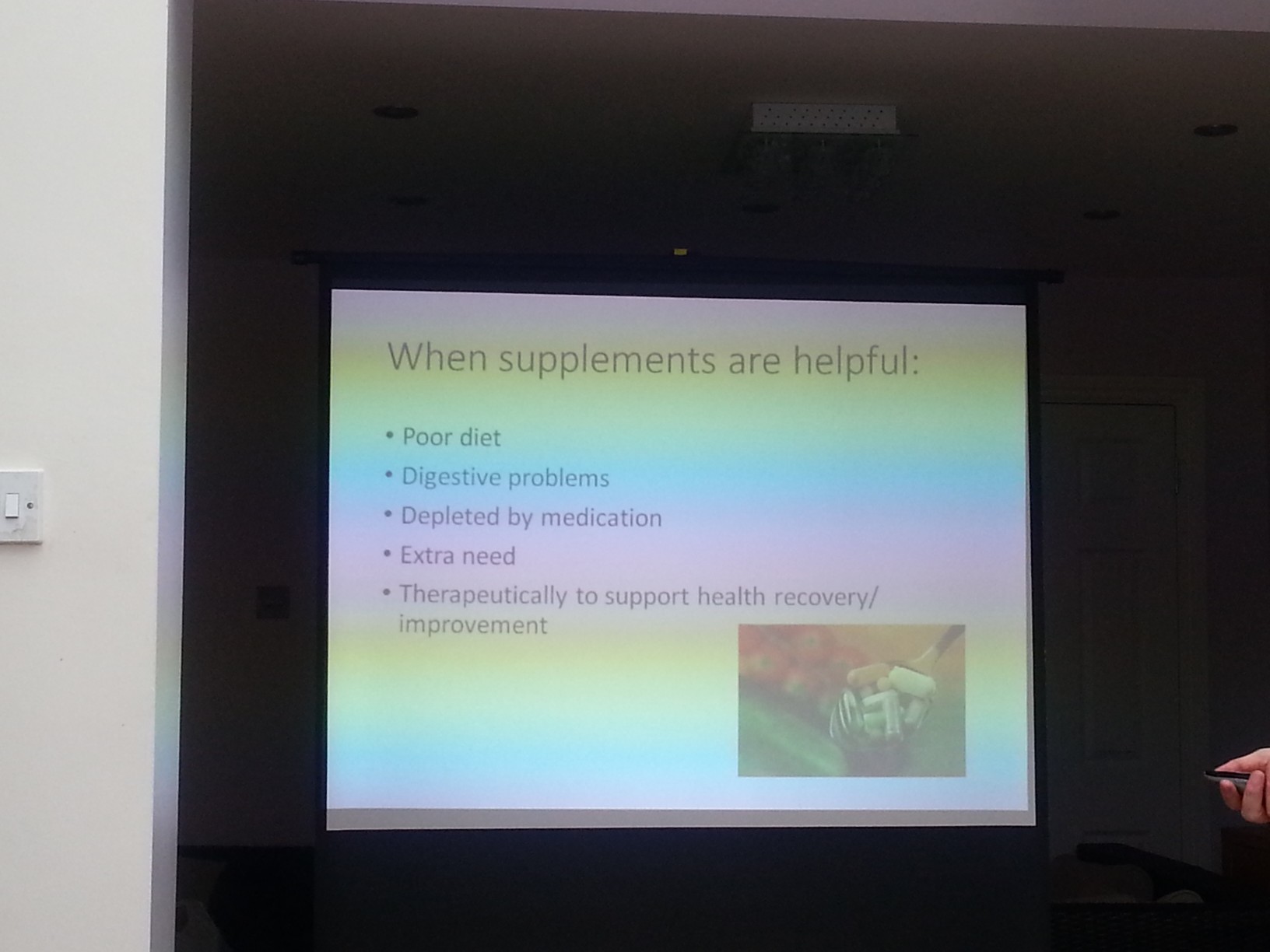
Jenny talked about the dangers of high levels of homocysteine in the blood, an aggressive molecule strongly linked to Alzheimer’s disease. We should look to increase our intake of vitamin B12 (liver is a rich source), folate and glutathione. High alcohol intake robs our body of B vitamins and also destroys helpful bacteria in the gut.

Jenny advised that we can’t go wrong by eating the rainbow, a diverse range of fruits and vegetables of all colours. Bone broth can be made in the slow-cooker and is incredibly nutritious for maintaining the integrity of the gut lining and supporting digestion.

Toxicity in the body strains the liver so powerful antioxidants are needed to combat aging and free radicals that cause cellular degeneration.

Diet concerns:

  • Dependency on refined foods and simple carbohydrates
  • Not enough fresh vegetables – limit or cut out processed/shelf stable foods
  • Confused about facts (e.g. misleading information from government bodies about a low fat diet). Jenny recommended a book: Fats That Heal, Fats That Kill
  • Too much alcohol
  • Sodium : potassium ratio needs to be in balance

Sadly, the food industry as a whole isn’t concerned about health, it appeals to your taste buds with sophisticated marketing. Labels can also be misleading and you should read the ingredient list carefully. Interesting article on junk food.

21st century life has solved many challenges for humanity, but in doing so, our drive for a more convenient life has unwittingly created other problems. Diet is a biggie, hence the rise in obesity, diabetes, digestive, auto-immune disorders and cognitive decline.
It’s worth having an individual genetic test to assess your risk factors. This could give you peace of mind about what you are already doing or motivate you to make any necessary changes.

Cognitive decline does not happen overnight but is a result of environmental factors influencing the way your genes express themselves. Our daily habits hold the key to health and longevity.
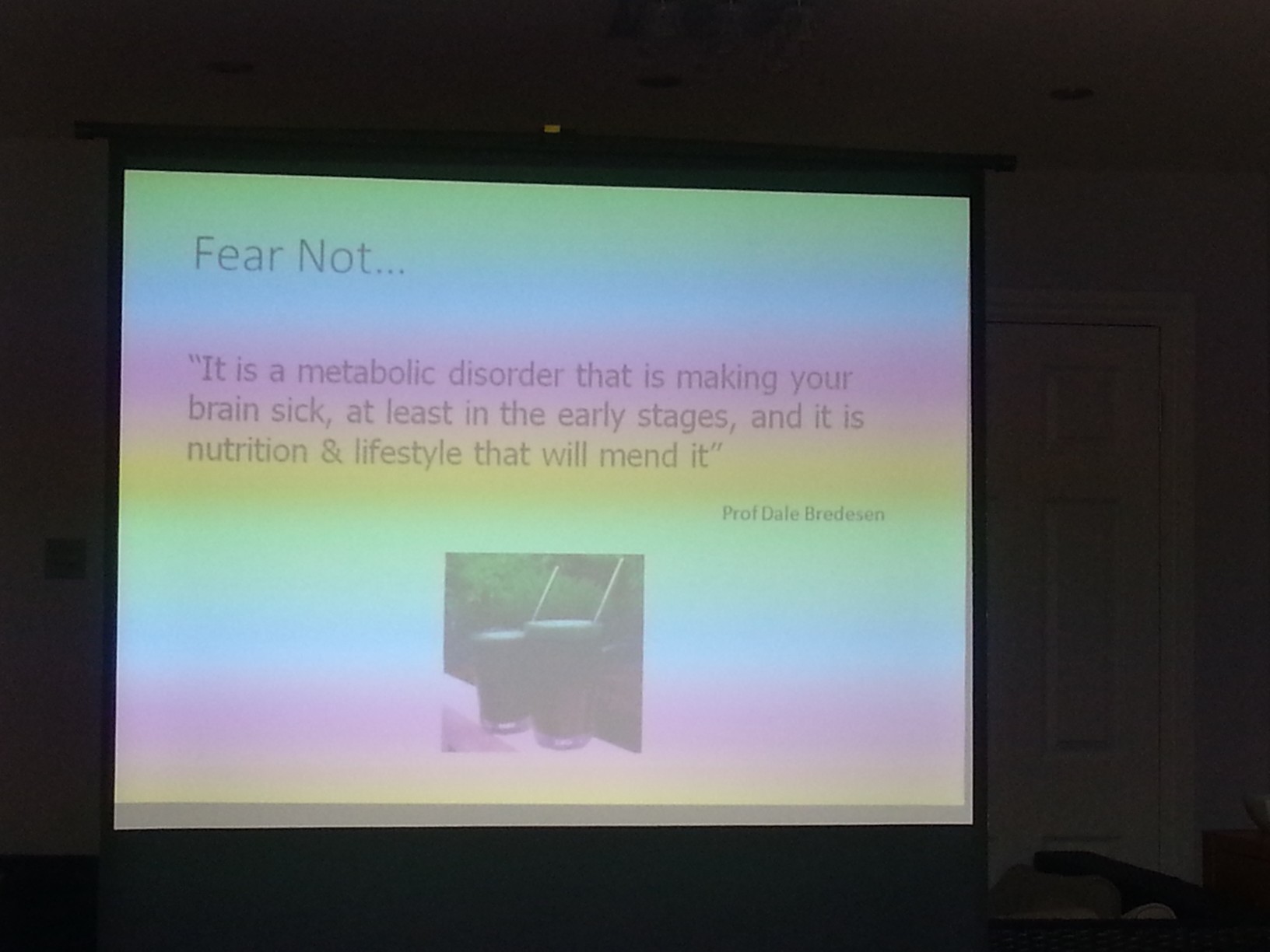
Jenny gave us some very promising data that was being garnered by Professor Dale Bredesen and his colleagues at the Buck Institute, who, unencumbered with the need for funding and the hidden agendas that usually accompany such investment, are working on solving problems of the aged. He speaks of Alzheimer’s disease being akin to a ‘roof with 36 holes’ – where no one therapy will ever come close to plugging all the gaps.

Reversing Alzheimer’s Disease – Dr. Dale Bredesen, MD:

Bredesen wrote a 2014 paper: Reversal of Cognitive Decline around the results he achieved with his patients using his MEND therapeutic programme, which included discreet eating and the lifestyle indicators Jenny spoke of.
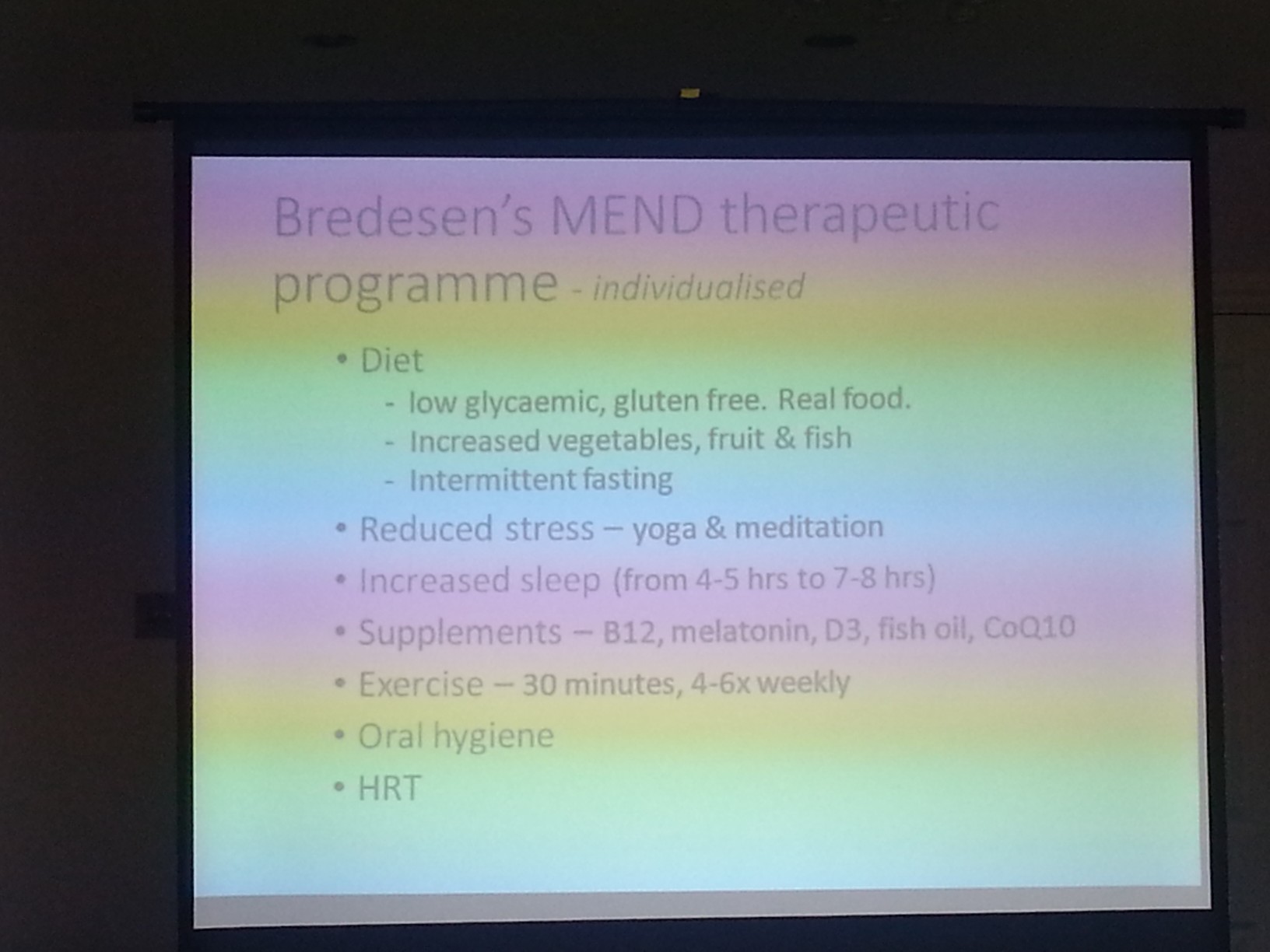
7 Pillars of Brain Health:

  • Nutrition
  • Fasting
  • Gut health
  • Exercise
  • Sleep
  • Stress Reduction
  • Brain stimulation

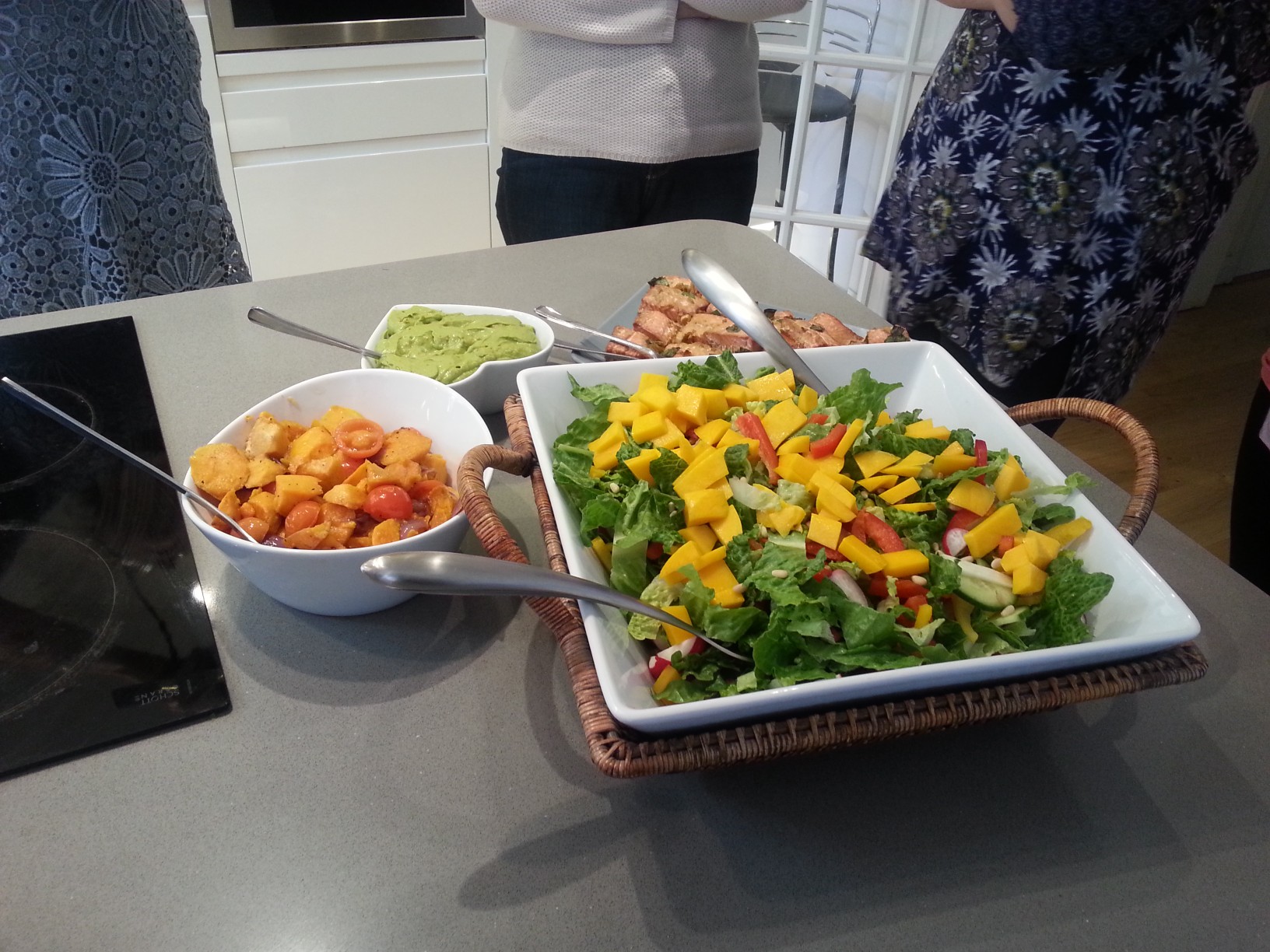
After the study section of our workshop was completed Jenny treated us to a healthy home-made juice with pineapple, spinach, ginger and celery, followed by a delicious, nutritious lunch of salmon, avocado, sweet potato and a beautiful salad with a choice of brain healthy dressings.
We were also given a short manual that recapped on what we had learnt with helpful dietary advice and the best brain healthy foods. Included at the back was a health dashboard to enable us to focus on the fundamental elements of brain health and overall well-being and write any notes about what we decide to put into action along with results.

I’m very grateful to Jenny for sharing her knowledge! We left feeling empowered to implement the changes we each needed to reduce our risks of developing a neuro degenerative disease such as Alzheimer’s.

For more information about future brain health workshops, nutrition and advice on brain health contact Jenny via her website.

Other useful websites:

Photosynthesis: Connections to Life, Growth and Perspective

“I want my words to illuminate like the sun, as I give my daily lecture on photosynthesis to my houseplants.” ~ Jarod Kintz

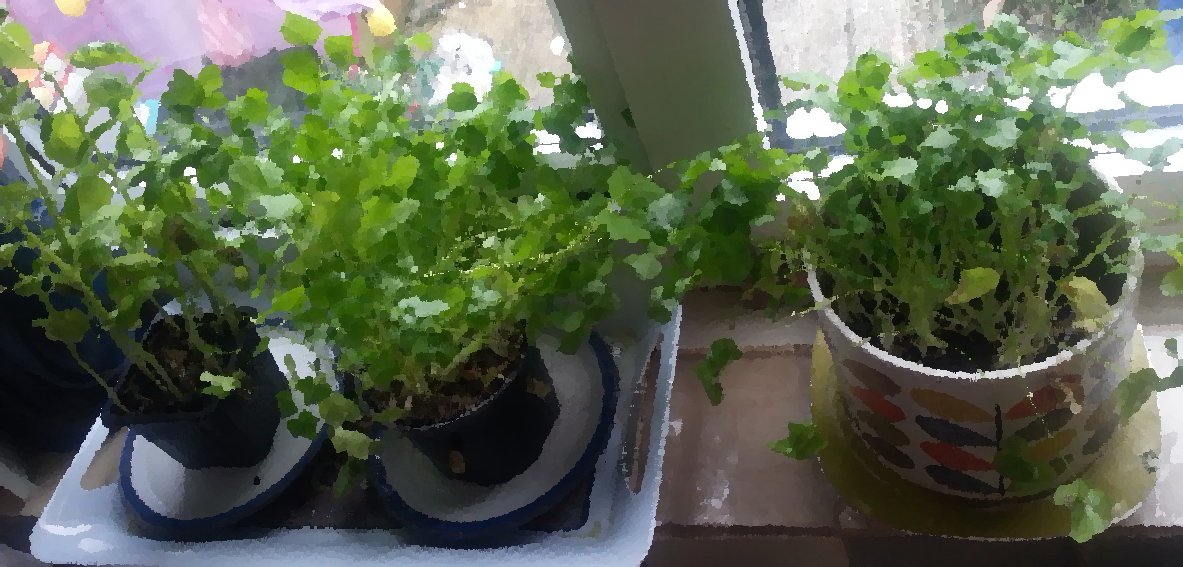
In my daily watering of the fresh basil, parsley and coriander plants that sit on my kitchen window sill, I began to notice that over a period of a few days their slender stalks and rounded, green leaves lean markedly towards the window and the light streaming in. So much so, that if I don’t turn them they get tangled up with one another and almost start to climb the pane.

I move the herbs every few days to keep them balanced and limit any lopsided growth. Sure enough, each time they start to lean again, reaching for their source of energy and life.

It’s a complex, natural process – science calls it photosynthesis. Plants, flowers and nature as a whole never stray or deviate from what benefits them the most; they instinctively know that air, light and water enables and promotes life.

As I was tending to my sweet, fragrant herbs this observation sparked a thought, and here I am, duly expounding my extemporaneous insights!

Humans on the other hand, have a tendency to lean towards the shadows: thoughts and actions that don’t serve us. That is the divine burden, blessing and responsibility of conscious thought, infinite choices, free-will and intelligence.
Perception and perspective…

It’s easy to reach for the light when things are going well.  We are bursting with energy, and more likely to be happy and positive.

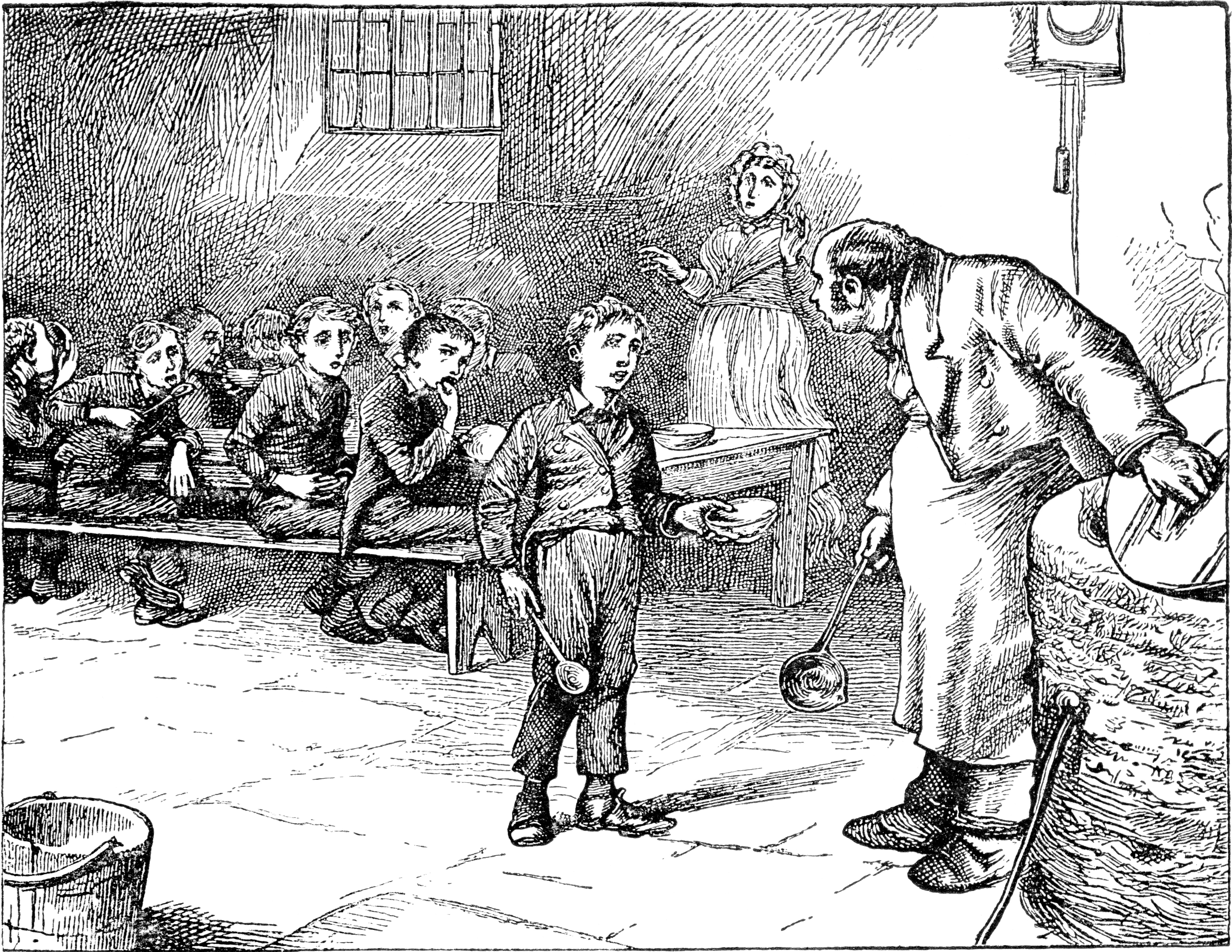
It’s when we are beset by problems, dealing with trauma, challenges and difficult situations that we can become caught in the shadows. We’ve all experienced times in our life when it felt like we were an unfortunate character trapped in a dystopian novel – enveloped in a story so unpleasant that even Charles Dickens couldn’t imagine or describe it!

“Please sir, I want some more” ~ Oliver Twist

We can become entrenched in our views that God and the universe have it in for us, and nothing will ever be good again. There was once a time when I was at rock bottom that I believed the implacable march of fate was against me. But perception and perspective is everything…

“Why, then, ’tis none to you, for there is nothing either good or bad, but thinking makes it so. To me it is a prison. Well, then it isn’t one to you, since nothing is really good or bad in itself—it’s all what a person thinks about it. And to me, Denmark is a prison.” ~ William Shakespeare (Hamlet – Act 2, Scene 2)

How do we interpret such events and times? That’s the hard part. We can get down on ourselves, others, or our lot in life, or we can put it down to experience and try and glean something positive from such moments and move forwards. I’ve often exacerbated a tricky situation by self-sabotaging myself.

However, my greatest spiritual learning, growth and development has always arisen from my deepest and most intense suffering. Not that I relish suffering, none of us do, but part of life is embracing both the ups and the downs, the duality of existence.

I find it helpful to accept everything that constitutes my life experience, that way I recover quicker and put more energy into solving and improving things instead of grumbling and having a pity party. It doesn’t always happen straight away though!!

Rudyard Kipling had it right in his poem If, when he advised us to meet with Triumph and Disaster and treat those two impostors just the same.

I have to constantly remind myself to practice gratitude. I like to think of 3 things: something/someone or a happening from my past, present and future. The last one takes a creative licence and leap of faith that things will be better. Afterwards I always feel happier. The problems are still there, but the difference is I’m better equipped to handle my life when I’m in a higher vibration and reaching for the light.

I’m quicker to notice when I start moaning and gently forgive myself for holding myself back. That has taken years to master. Other strategies are to do more of the things that bring me happiness and fulfillment, look to where and when I’m in flow and unencumbered by the cares of the world.

So when we get pulled off course and away from the light; whether it be a short deviation or a lengthy detour,  it requires being aware and taking steps to alter direction, just like a weed or flower will grow through the tiniest crack in a block of concrete; it is indefatigable in seeking the light.

It’s never fun wallowing in the shadows, and if we’re not careful it can be an addictive form of energy that our ego feeds off. Just like the leaves of the kitchen herbs lose their vibrant, green lustre and wilt if deprived of light and water, we too become spiritually, mentally and physically jaded. Being unplugged from our source is debilitating.

“Four elements, Hydrogen, carbon, oxygen and nitrogen, also provide an example of the astonishing togetherness of our universe. They make up the “organic” molecules that constitute living organisms on a planet, and the nuclei of these same elements interact to generate the light of its star. Then the organisms on the planet come to depend wholly on that starlight, as they must if life is to persist. So it is that all life on the Earth runs on sunlight.”  ~ George Wald (referring to photosynthesis)

Something simple like deep abdominal breathing, going for a walk, or being in nature can give an instant lift and help us through the moment.

Just as the leaves of plants will turn brown, crinkle and die if left untended, so we must dig deep and look to our strengths and sources of joy to lift us out of the gloom and bloom once more. Love is light.

Plants have no choice but to grow and nourish themselves. It is an automatic chemical reaction when carbon dioxide, water and sunlight are present; life-sustaining energy will be produced. Energy that not only benefits the plant, but also humanity, for the oxygen we breath and the food we eat.

For all you budding scientists out there!

Soul stamina

Our collective soul stamina was sorely tested this week, with the horrific events in London, and it is right to mourn and fully support those affected. Wisdom urges that we do not wallow in victim hood but tackle such evil at its root cause – the twisted, de-humanising and hate preaching ideology of extremists. Weak minded individuals who use religion as an excuse to vent their sick sense of puritanical outrage and violent tendencies. They live in the shadows, the unconscious.

Our anger at such heinous acts can make us bitter and resentful, but this is unhelpful if we wish to create a safer, happier and more prosperous world for the human diaspora.

The British mantra of ‘keep calm and carry on’ seems very fitting right now…

The terrible news of Wednesday’s events made me feel sad and tearful, but also grateful for another day with my family. None of us knows what will happen when we step outside our front doors. The brave PC Keith Palmer could not have known that fateful day would not turn out like any other normal day at Westminster, until he made the ultimate sacrifice to protect our democracy. The stories of the other souls who died in the attack (indeed, from all terror attacks, wars and their effects), are equally heartbreaking. Grief stricken parents, children and families who will not see their loved ones return home.

Whatever we may be dealing with, there is always someone who has it worse somewhere in the world.

In fact, millions do, the global challenges are great – but we can each make a brighter future if we follow Gandhi’s advice and endeavour to BE the change we wish to see in the world.

I’ll bid you farewell with a final analogy of the herbs reaching for the light. Let’s take a leaf out of nature’s book and adopt photosynthesis for our mind, body and soul!

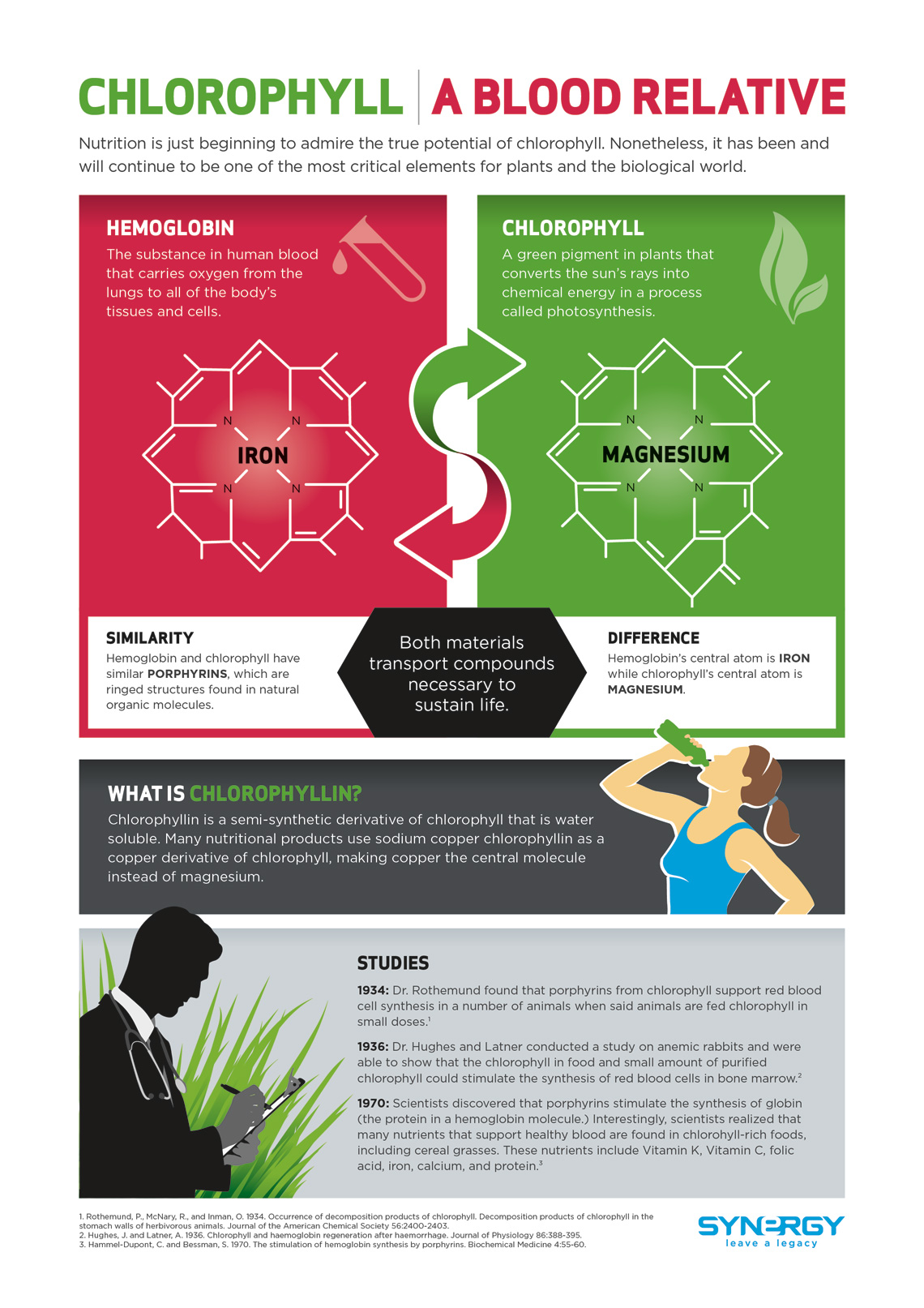
Oxygen is the lifeblood of our respiratory system, powering our cells and movements, the influx of fresh ideas and zest for life. If you can’t escape a polluted area, have plants around you. Chlorophyll is the green pigment in plants which when consumed, keeps our blood and organs in an alkaline state – being as huge swathes of the population live in a toxic environment.

Water is the fluidity of our mind set and attitude; it needs topping up daily, and perhaps filtering to remove any impurities, (those stagnant, self-limiting and negative thoughts), thus hydrating our motivation and belief as well as our cells.

Sunlight, converts vitamin  D3 in our bodies and can be likened to our higher Self, our soul, the source from which we manifest physicality and spiritual resilience, even transcendence. It is our guide and home, showing us the way.

All these biological elements in photosynthesis are needed for an organism to grow and thrive. Our mind, body and soul are dynamic systems, each needs the right form of energy in order to follow our dreams and live life to the full. If we can only reach up into the golden rays of consciousness, those invisible photons of the soul, even on bad days…

What’s in a Painting? Taking a Closer Look at Peter Paul Rubens’ Masterpiece: Massacre of the Innocents (c. 1611-12)

“I’m just a simple man standing alone with my old brushes, asking God for inspiration.”  ~ Peter Paul Rubens

With so much violence being perpetrated in Syria, across the Middle East and in pockets around the world, it seems timely to revisit a powerful anti-war artwork by one of history’s greatest artists – the Flemish Baroque painter Peter Paul Rubens.

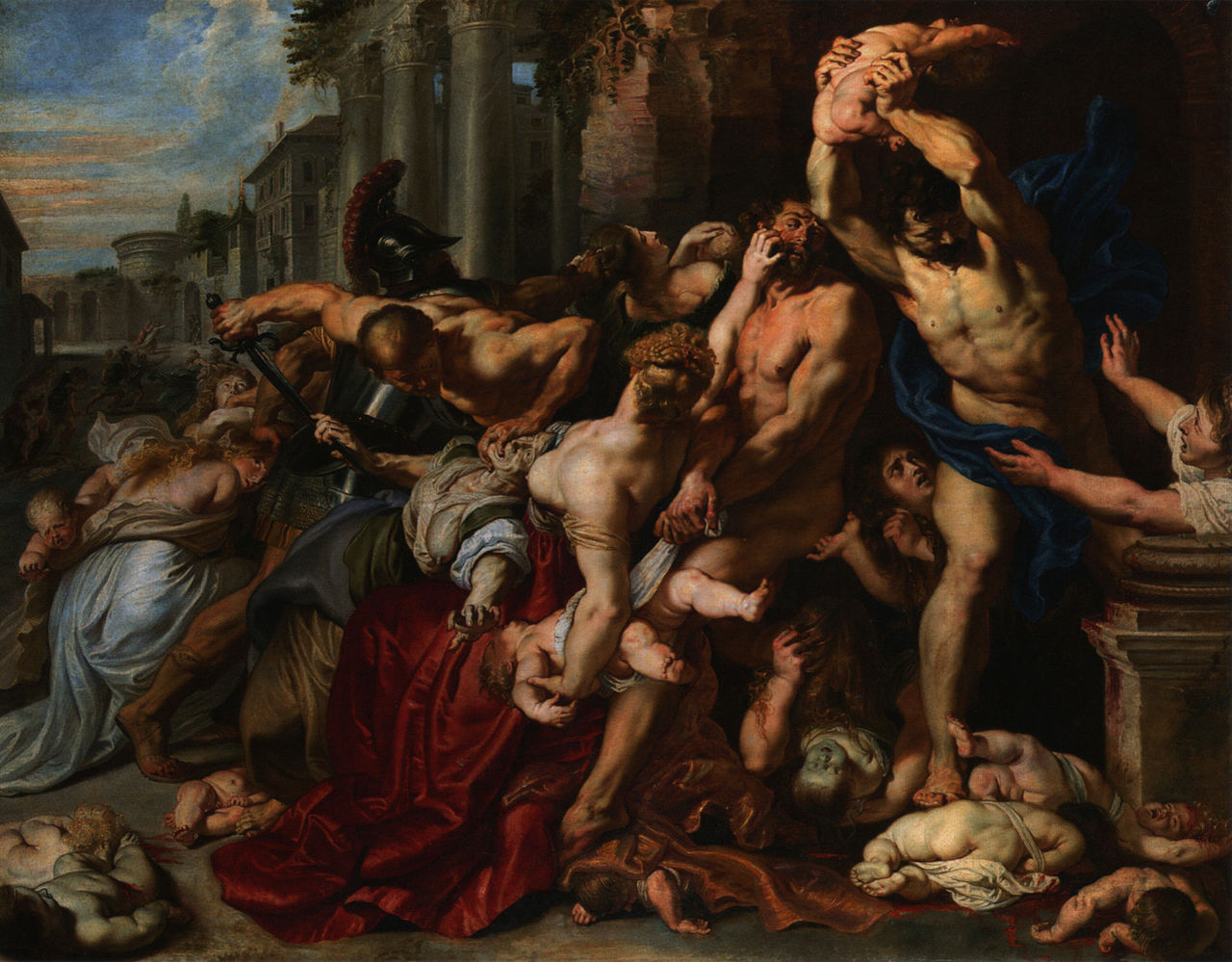
Rubens’ visceral and heart-stopping visual depiction of the biblical story about the slaughter of the firstborn male babies in Bethlehem fills me with horror. It’s almost as if the heinous, frenzied energy portrayed within the lifelike pigments on the canvas spill out onto the viewer. It’s impossible to remain passive and calm while looking at Massacre of the Innocents.

Massacre of the Innocents by Sir Peter Paul Rubens c. 1611- 12 oil on canvas, 182 x 142 cm

The Massacre of the Innocents now hangs as the pièce de résistance  in the Art Gallery of Ontario, to whom it was donated by Kenneth Thomson; a generous gift to the people of Toronto. After its initial time hanging in the National Gallery, (side by side once again with the painting that preceded it, Samson and Delilah) it was sent to its permanent home in Toronto in 2008. I wished I had seen it while it was in London…

Provenance and Misattribution

The Massacre of the innocents was the first of two works on the biblical subject painted by Rubens, commencing in 1611 just three years after his return to Antwerp from an eight year stint in Renaissance Italy.

Alongside Rubens’ earlier masterpiece, Samson and Delilah, the Forchondt Brothers sold the works to a patron of the arts and an avid Rubens collector, Hans-Adam, the Prince of Liechtenstein in around 1700. The paintings remained in the Liechtenstein family collection for two centuries, and at one point were hung together in the Garden Palace in Vienna.

The first misattribution occurred in 1767, when the Massacre of the Innocents was categorised by Vincenzio Fanti as a Franciscus de Neve (II) and the second mistake happened in 1780 when it was catalogued as being by Jan van den Hoecke, one of Rubens’ assistants. The painting was subsequently sold to an Austrian family in 1920, and then loaned in 1923 to Reichersberg Abbey, a monastery of Augustinian canons in northern Austria.

When the Massacre of the Innocents came up for sale it was brought to the attention of Sotheby’s and the National Gallery in London where David Jaffé helped to identify the work as a Rubens.

He compared it with Samson and Delilah (already hanging in the National Gallery) and recognised the artist’s distinctive style and artistic ‘handwriting’ immediately.

Samson and Delilah by Peter Paul Rubens c. 1609 – 10

It strikes me as more than co-incidence that these two works by Rubens have crossed paths multiple times throughout their history!

Some statistics:

Once the Massacre of the Innocents had been attributed to an Old Master its perceived value increased exponentially.  It was the most expensive painting ever sold in the UK and Europe when  the hammer crashed down with the winning bid at a thrilling Sotheby’s auction in 2002.

The purchaser was the Canadian billionaire and art enthusiast Kenneth Thomson, who stumped up the eye-watering amount of £49.5 million; a world record for an Old Master. It’s in the top ten of the world’s most expensive paintings. No painting has reached more at auction in the UK and Europe to this day.

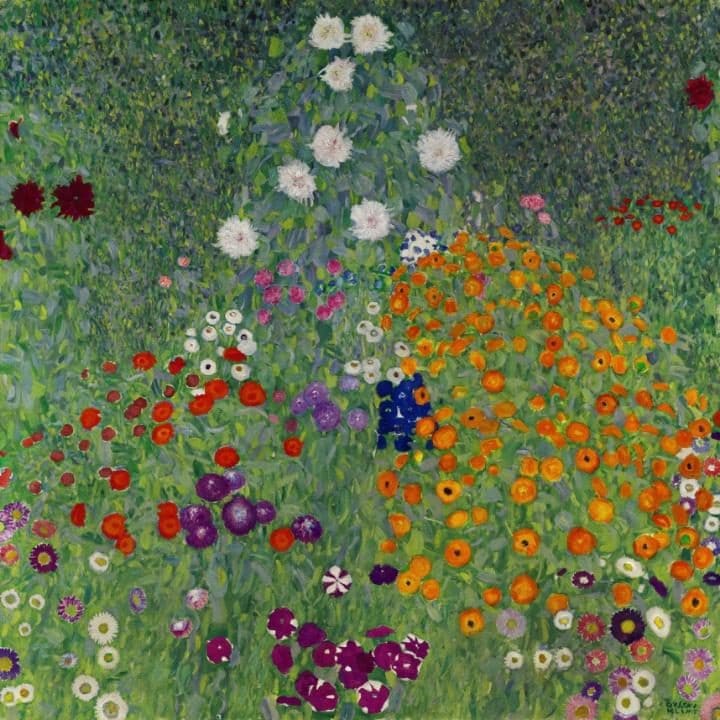
On 1st March 2017, Gustav Klimt’s ‘Bauerngarten’ painting was sold by Sotheby’s in London for a record price of £47,971,250 ($59,321,248), making it the second highest painting in British and European history after Rubens’ Massacre of the Innocents.

Bauerngarten by Gustav Klimt

However, if one includes sculptures as works of art, they were both eclipsed in 2010 when Alberto Giacometti’s life size Walking Man was sold for £65 million by Sotheby’s.

Previous to the sale of Massacre of the Innocents only two other paintings fetched more at auction: Van Gogh’s Portrait of Dr Gachet at $82.5 million in 1990 and Renoir’s Au Moulin de la Galette, which fetched $78.1 million in the same year, both in New York.

Anti-war sentiments:

Rubens grew up in the aftermath of violence and war, as a protestant led rebellion was crushed when his home city of Antwerp was laid to waste by the Spanish on 4th November 1576 during the Eighty Years War. This brilliant article by Jonathon Jones in The Guardian gives an insight into the life and times of Peter Paul Rubens and his social commentary on violence and war via his art, and in particular, his epic painting of the Massacre of the Innocents.

“The opposite of love is not hate, it’s indifference. The opposite of art is not ugliness, it’s indifference. The opposite of faith is not heresy, it’s indifference. And the opposite of life is not death, it’s indifference.” ~ Elie Wiesel

The genius of the Massacre of the Innocents

When you get over the sheer revulsion of the subject matter – it’s not easy to look at infants being slaughtered, or the anguish on mothers’ faces as they desperately try to save their sons from the cruel attack of Herod’s soldiers – you can appreciate the skill of Rubens in creating a scene of pure drama, of the wretched bodies trapped in time, in their epic struggle for survival.

The impressive blend of shades of light and dark epitomise the influence of Caravaggio imbued from his travels in Italy.

Massacre of the Innocents by Sir Peter Paul Rubens c. 1611- 12 oil on canvas, 182 x 142 cm

The luminous and deathly grey skin tones, the rippling muscles, the terror on the faces, the contortion of bodies in a confined space make for a powerful painting. It’s not glorifying violence, it’s condemning it.  Rubens fought against warmongering with his paint brush, (it’s not just the pen that is mightier than the sword).

My eyes are drawn to the central figure, the young, fair haired mother with her back turned to us and being pushed downwards by an older woman about to be run-through by a soldier. She is grasping her baby in her left hand, shielding him beneath her fleshy, alabaster shoulder, whilst her right hand reaches up to claw and gouge the face of the soldier who is grabbing at her son’s loin cloth. The silky, deep crimson skirt has a sombre sheen, as if it is meant to represent their spilled blood.

Above and behind them, orange streaks across the sky and a ruined, classical city provide the back drop for one of art and history’s unspeakable deeds. Rubens has a way of making spectators become involved in his paintings, his visual storytelling.

David Jaffé on The Massacre of the Innocents by Peter Paul Rubens:

Perhaps the outrage evoked by this 406 year old painting should be seared onto the minds and hearts of politicians all over the world.  Innocents are still being massacred and exploited in one way or another. Maybe that will never change; human nature has shown us repeatedly that we are slow to learn from the lessons of history.

“There may be times when we are powerless to prevent injustice, but there must never be a time when we fail to protest.” ~ Eli Wiesel

Peter Paul Rubens (28 June 1577 – 30 May 1640)

Born as one of three children to Jan Rubens and Maria Pypelincks, Rubens was well educated as a humanist scholar, familiar with Latin and classical literature. He remained a devout Roman Catholic throughout his life. He began painting at age 14, and studied under two leading late Mannerist artists of the time, Adam van Noort and Otto van Veen.

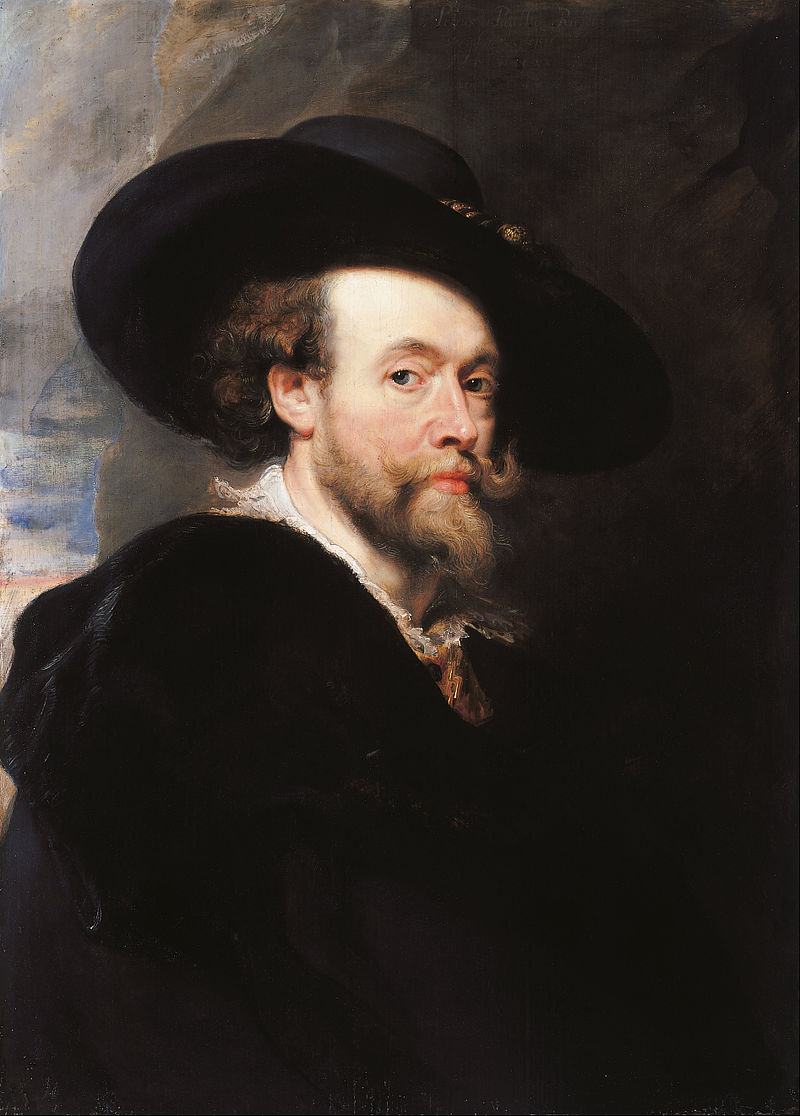
Peter Paul Rubens – self portrait c. 1623

Sir Peter Paul Rubens was not only a prodigious painter (with around 1400 works of art to his name), but a scholar, diplomat and businessman. He was knighted by both Philip IV of Spain and Charles 1 of England.

His works were mostly religious and historical in subject; usually bold, ebullient and colourful, with a classical aesthetic for muscular, full-figured human anatomy and reverence to a more natural, realistic way of portraying people, places and scripture, that defined Flemish Baroque art.

The artist and his first wife, Isabella Brandt – The Honeysuckle Bower by Peter Paul Rubens c. 1609

During his years of study in Italy, Rubens drew many statues and sculptures from antiquity and learnt the techniques of High Renaissance painters from Venice such as Giorgione and in particular, Titian, who he revered especially for his use of colour; as well as the towering figures of Raphael, da Vinci and Michelangelo in Rome.

He also embraced the edgier Baroque artists such as Carracci and Caravaggio and reflected each of their styles in his unique body of work as he became established in his own right in Antwerp. He fused these iconic influences into his own unique perspective, and is probably considered to be the greatest painter of the Dutch Masters.

I’ll sign off with a short documentary by Andrew Graham Dixon which gives a fascinating insight into the genius of this extraordinary man:

“My talent is such that no undertaking, however vast in size… has ever surpassed my courage.” ~ Peter Paul Rubens

Welcome to the Most Original and Unique Contemporary African Art Gallery in the UK

It’s my very great pleasure to introduce you to Debs Digby, creator and curator of Fillingdon Fine Art. I first met Debs through our Athena business networking group, and she talked about her colourful contemporary African Art gallery. Honestly, she had me at hello!

I’ve been to all her exhibitions since then, and normally have to be forcefully dragged away (just like my daughters), from her beautiful, meticulously prepared and stunning gallery. I’ve always found high quality, unique gifts there, (for every budget), plus the odd treat for myself!

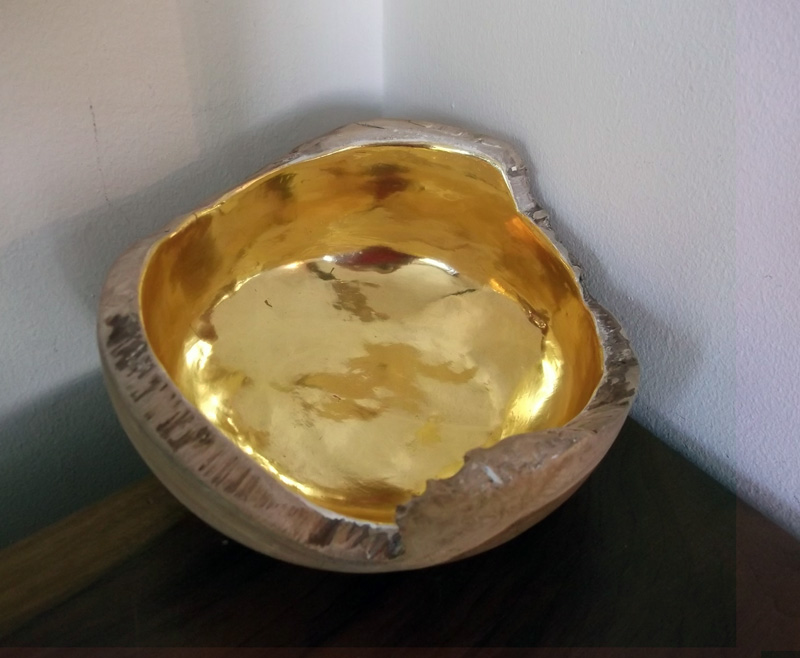
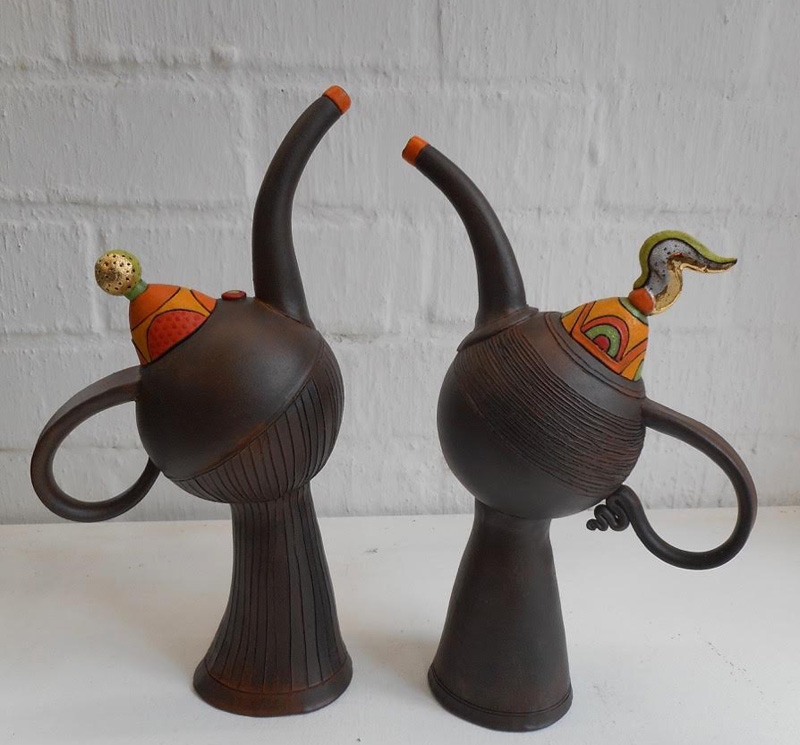
gold-leaf-pottery

I asked her to share her wonderful passion for contemporary African art with you, as it’s well worth a visit if you live withing driving distance. If it’s a few hours you can make a day of it, with the village of West Wycombe, West Wycombe Park and also the Hell Fire Caves located just five minutes up the road, so there’s plenty to combine on a day trip.

If you like what you see I strongly recommend having a look on the Fillingdon Fine Art website. Debs is more than happy to ship the item of your dreams directly to you if you’re unable to visit the gallery during the upcoming spring exhibition.

That’s all from me,  it’s time to discover these gems from Debs!

🇻🇺⛰🌅🌆

“No-one’s wife, mother or daughter” is how I describe my status when I am on a sourcing trip, and any wife, mother or daughter will know how liberating that feels! For 26 years I have returned annually to the continent of my birth, to roam freely through the studios of artists, sculptors, potters, weavers, glass-blowers, wood-carvers and jewellery makers, hunting and gathering for my gallery.

zebra

From the majestic Drakensberg Mountains to the floor of the Rift Valley; from the rolling vineyards of the Cape to the shores of Lake Kariba; from The Kingdom of Swaziland overlooking Mozambique to the crashing of the Indian and Atlantic Oceans; I seek, I love, I buy.

Photographer heike@kayenne.net

Photographer heike@kayenne.net

Artistic creativity is inherent in Africa and natural materials such as wood, stone and minerals abound, as well as an ethic of self-sufficiency and a history of home adornment and personal embellishment.  Not seeing any work of quality from Africa in London in the late 80’s, and wanting to be my own mistress if and when I began a family; I resigned my marketing job in the food sector and opened a contemporary African art and craft gallery in Knightsbridge in 1991.

Marriage and motherhood followed with a move to the country, and the gallery seamlessly relocated to its new home in a rustic 300 year old barn nestling in the Chiltern Hills.

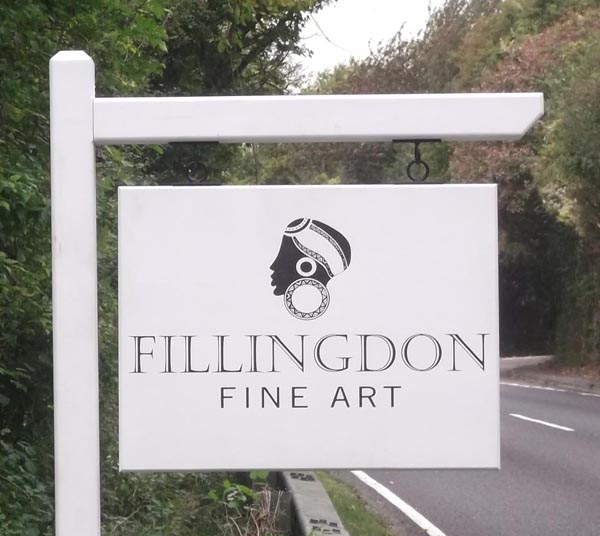
sign-road

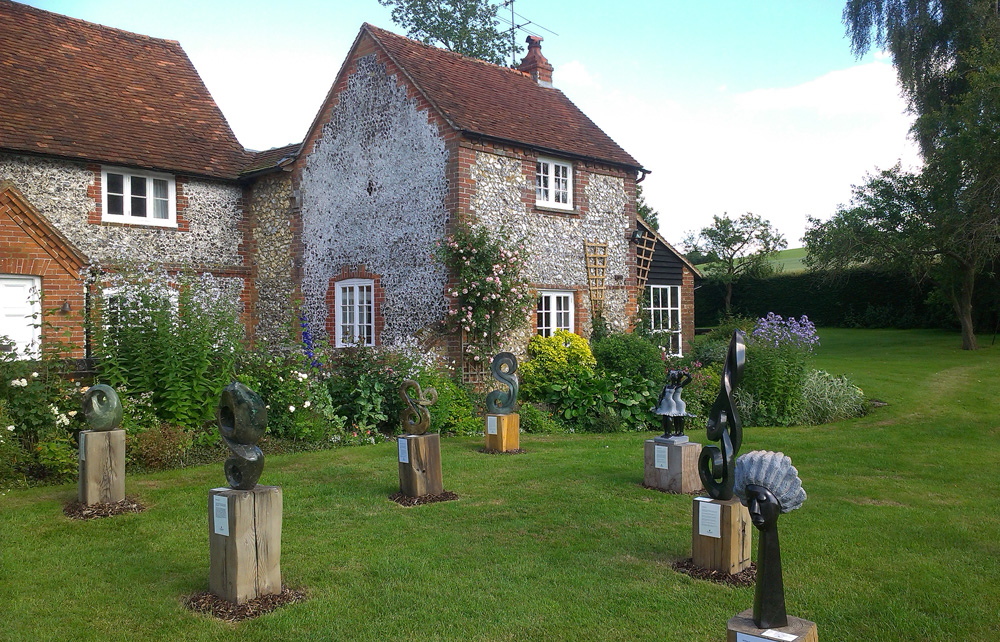
Three times a year, our distinctive sign goes up on the A40 in Buckinghamshire, and the public are invited to view the latest curated exhibition; always a large mixed show with original paintings, sculpture, ceramics, jewellery and craft by over 100 different artists from Africa, who are not big enough to supply department stores or the mainstream galleries in UK.

Likening ourselves to ‘the slow art version of slow food’ we aim to be the complete antithesis of the urban shopping mall experience.  With two and a half acres of Area of Outstanding Natural Beauty, parking is plentiful; riders and ramblers are welcome; dogs, kids and grannies are encouraged; refreshments in the garden are available and excess home-grown produce is often given away as a ‘going home present’.

Everything is complimentary until the point of purchase, but we do encourage a donation for refreshments to the worthy charity Farm Africa (registered charity number 326901).

sculptures

Many of our crafts are created in rural communities, and selected deprived agricultural areas benefit greatly from long-term assisted programs initiated by impressive organisation.  To date, we are proud to have raised over five and a half thousand pounds for Farm Africa through our refreshment donations alone.

But rural, friendly and aesthetic ethos must not be mistaken for unprofessional.  By personally choosing all the work; having reciprocal knowledge of the artists and 26 years’ experience of the market; customers can have confidence in our taste, judgement and expertise.

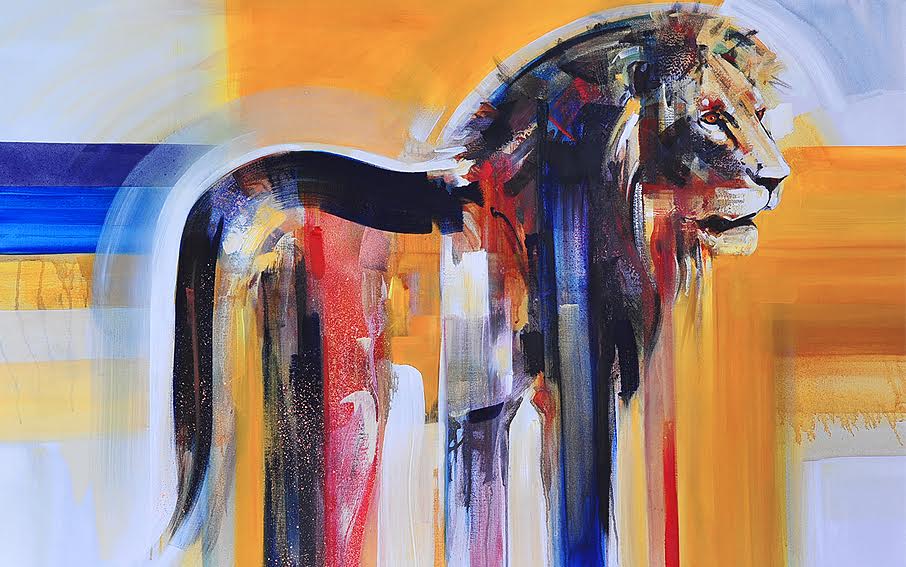
2016-lion

We promote each artist through our comprehensive website and work can always be viewed and purchased from there, in-between or concurrent to exhibitions.  We are happy to pack & post at cost, and have recently sent work to USA, Australia, mainland Europe and Dubai.

We also issue customers with information sheets to complement their purchases.  This is particularly popular for pieces which are gifts, as it enhances their provenance and originality as one-off unique works of art.

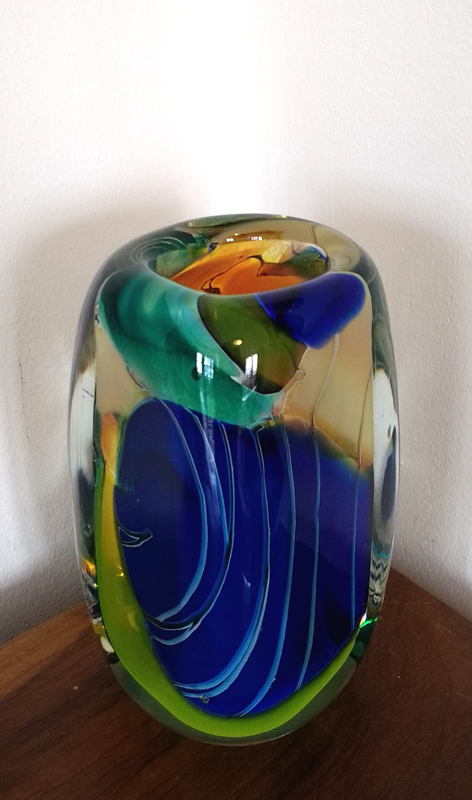
glass-vase

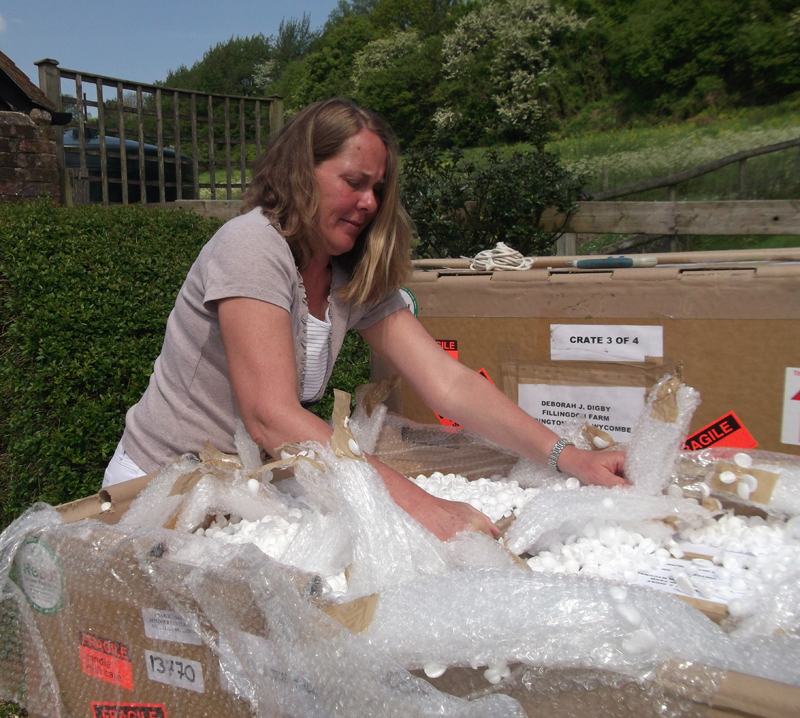
Having been chosen, commissioned and bought, the work is finalised before being packed ever so carefully by the artists themselves, and collated by a freight agent in Africa before flying overnight to London.  Taxes and duties are all paid before the boxes are delivered to Fillingdon Farm and the great unpack begins, with my heart in my mouth, hoping nothing is broken and salvaging as much packaging as we can in the name of recycling.

debs-unpacking

We pride ourselves on paying the asking price to our artists as we are firm believers in, where possible, ‘trade not aid’.  A fair price in exchange for perfect, beautiful and original work is our policy and it has never let us down.

Photographing, measuring, cataloguing, stock-listing and pricing are all the mundane necessities of running a gallery, alongside the important work of loading the website and posting on social media. We are @DebsFFA on Twitter and we’re also on Facebook.

PR, marketing and networking are all essential, as there is little point in having a fabulous product if no-one knows about it.

2016-2-orange-tepots

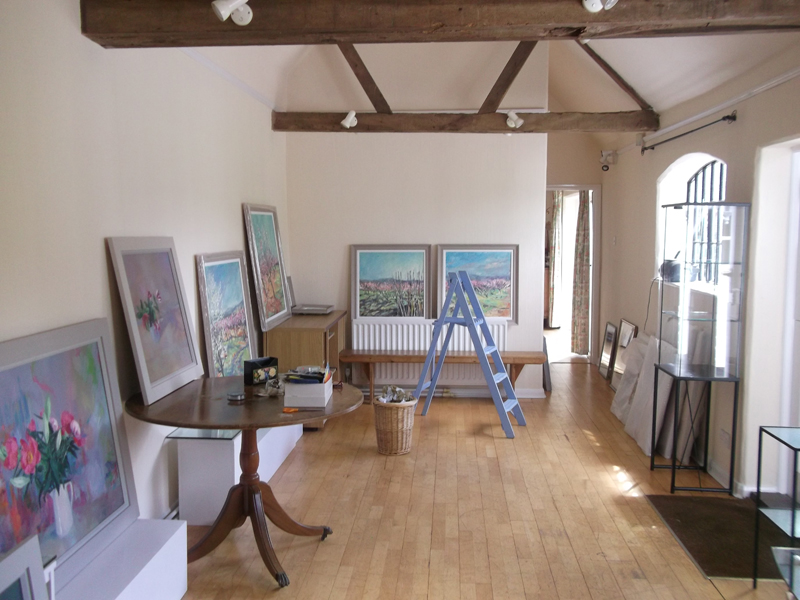
But by far the least glamorous job is cleaning.  A gallery space – especially one in the country – does not stay spider-free for long!  So a vacuum cleaner, long-handled broom and mop and bucket are employed amongst the ancient rafters, before my trusty little blue ladder comes out and the fun job of hanging begins.

barn-preparation

We open and end a show on Saturdays, with the final Sunday being dismantle-day and one when customers can collect any artwork they have bought and left on show for the duration of the exhibition.  Once we are up and running, we are open for fifteen days flat, including Sundays, 10am – 4pm.

We get so many lovely repeat customers, knowing they can find an original quality gift; happy they can meet their friends over an unhurried cup of tea; or comfortable just to enjoy the peace, colour and creativity of the show.  But, like all businesses, we need fresh blood too, so referrals are appreciated and new faces are very welcome.

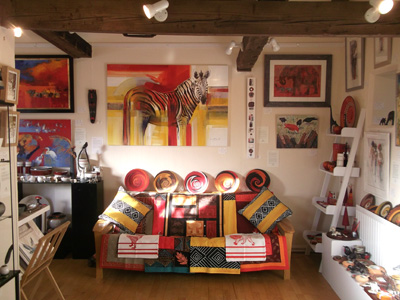
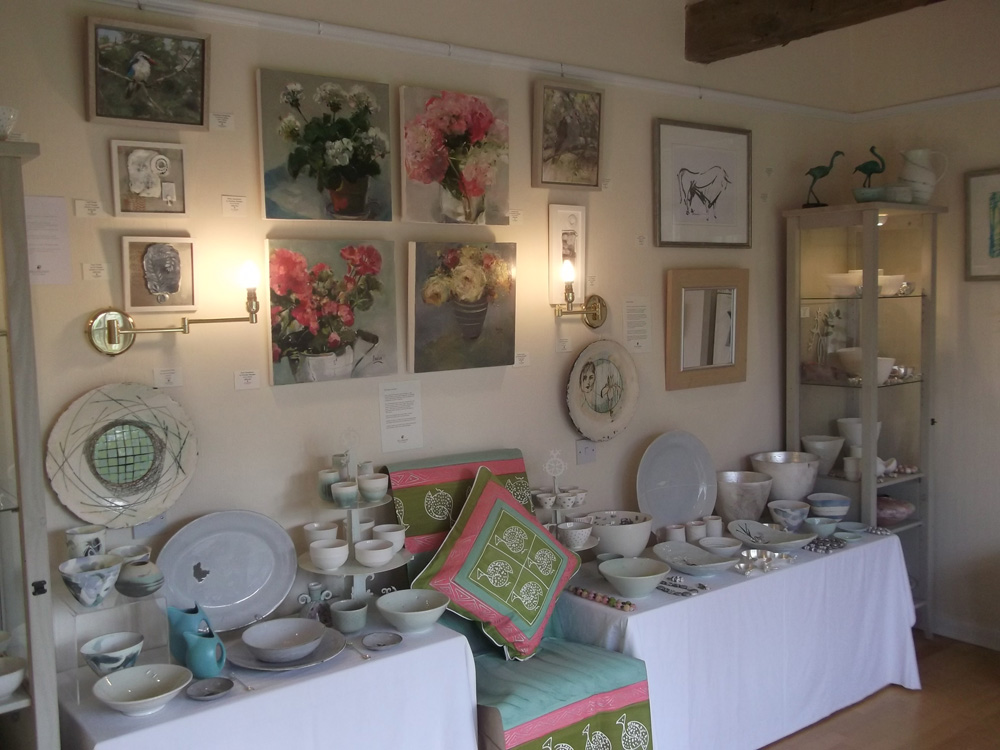
interior

Our forthcoming exhibition “Freshly Found” opens on 25th March and runs until 8th April.  As always, all details are on our website www.fillingdon.com and you can subscribe there to our newsletters so you will always be informed about our shows. 

We have planted 1000 new daffodil bulbs down our drive which we hope will be a dancing ribbon of yellow to welcome you, and perhaps the first bluebells might be out in the nearby woods, so do bring your walking boots.

If you can’t make this spring exhibition, make a note of the July dates; 15th – 29th, and come and enjoy the magnificence of large stone sculptures from Zimbabwe set amongst a traditional English summer garden in full bloom.  Finally, we’ll close the year with our ever-popular Christmas exhibition in November, where glass angels twinkle; decorations sparkle and a plethora of unique handcrafted items solve perennial gift dilemmas.

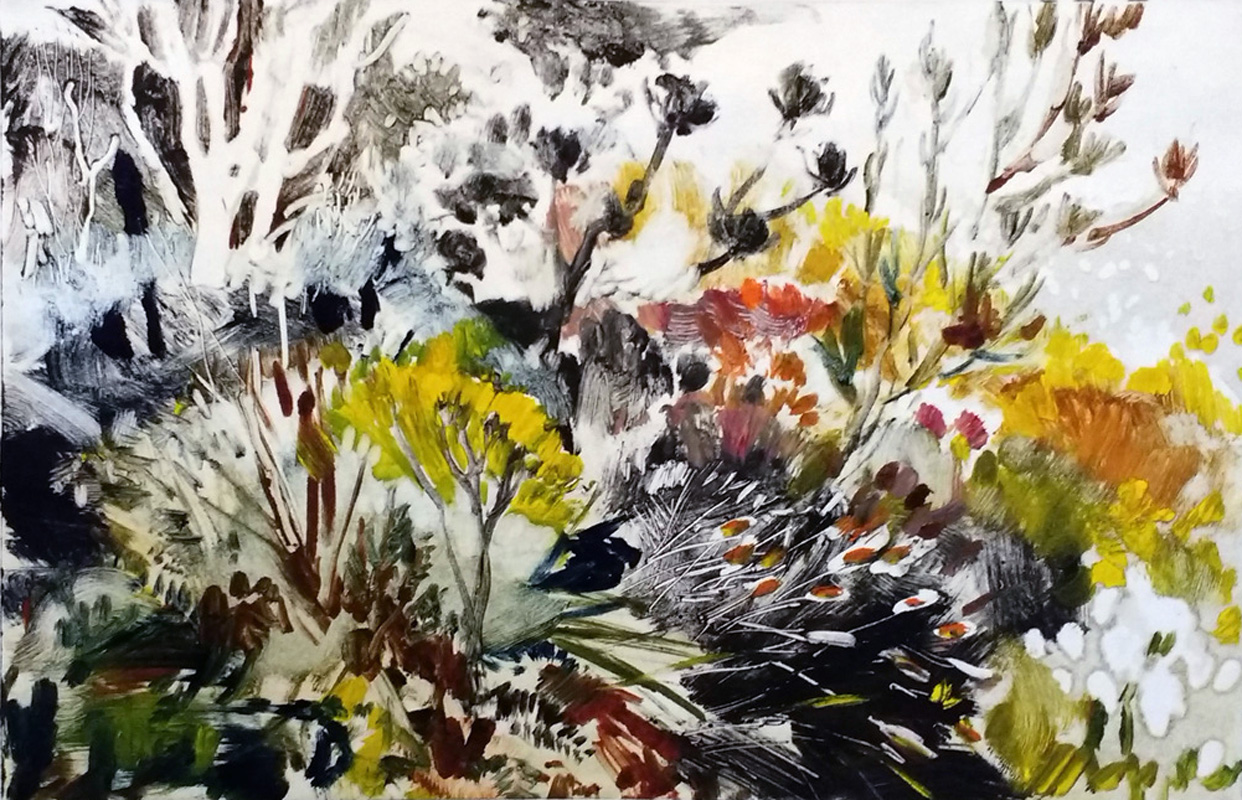
flower-painting

Come to one, two or all three shows, or visit the website.  Whichever way, know you will be supporting Africa and her creative community as well as enjoying something unique and special.  Let us be your guilty secret; you won’t be disappointed.

17 Quotes on Vulnerability that will inspire an Authentic Life

Vulnerability is the language of the soul and the voice of the heart. ~ Virginia Burges

To open up to life is to be vulnerable. To follow a dream is to be vulnerable. To be who YOU truly are is to be vulnerable. Whenever we strike up a friendship, embark on a relationship, start a new project, or pretty much any activity; we are vulnerable.

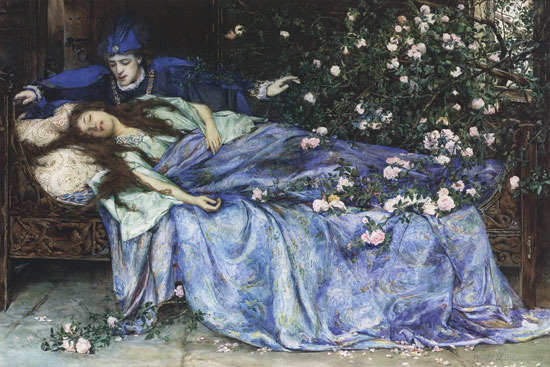
Every time we close our eyes and go to sleep we are vulnerable, and we trust that after our dreaming we will soon open them again…

Sleeping Beauty by Henry Meynell Rheam

Sleeping Beauty by Henry Meynell Rheam

I feel vulnerable every time I publish a blog post. A part of me always hopes that it will be helpful and interesting to at least one person! I’m exposing my inner self, a tiny voice in the vastness of the universe. But I’m not the only one, we’re all in this thing called ‘life’ together.

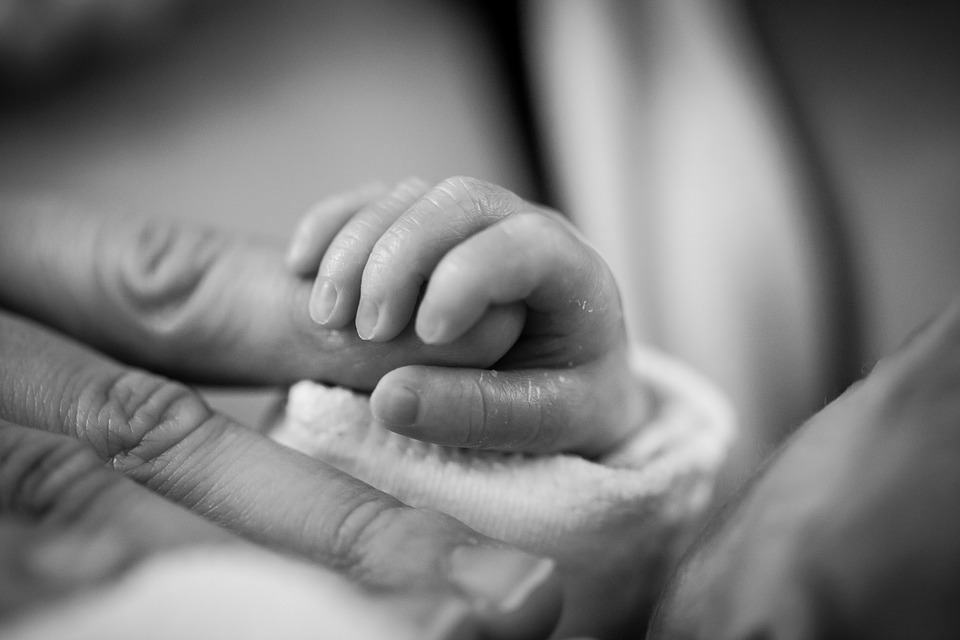
One of the biggest things in my life that forced me to be vulnerable was being pregnant and becoming a mother. You have no choice but to trust what is happening inside your body, and that you can support another life.

vulnerability-baby-hand

A new mum with a baby to care for can be vulnerable to the well meaning opinion of others, to sheer exhaustion, to not knowing what she is doing. We rely on the help and support of family, midwives, partners and other mums. But eventually we find our own way, and we realise how rewarding being a parent is, we embrace the responsibility of raising another human being; even though we are vulnerable as parents and they are vulnerable as children.

Suffering also made me accept and own my vulnerability. Being creative invites learning and growth, but also risks ridicule. When I published my novel I was terrified of what feedback might come my way.

Dr. Brené Brown really connected with me through her TED talk about the power of vulnerability.  A short summary of her wisdom and insights:

The first thing I usually feel like doing after a setback, a rejection or a failure is to retreat back into my shell. My inner voice pronounces, “You can’t do it, you’re not good enough,” triumphant in its ‘I told you so’ moment – just when I’m at my most vulnerable. I listen to it to be polite, (there’s no avoiding freedom of speech when it comes from within), and then I mentally reply, “Thank you for your opinion, but I’m doing it anyway. You can go back to your little corner now!”

In the spirit of vulnerability I’m going to wear my heart on my sleeve. It’s quite a worn sleeve, frayed at the edges, but the material has a certain faded toughness about it after all these years…

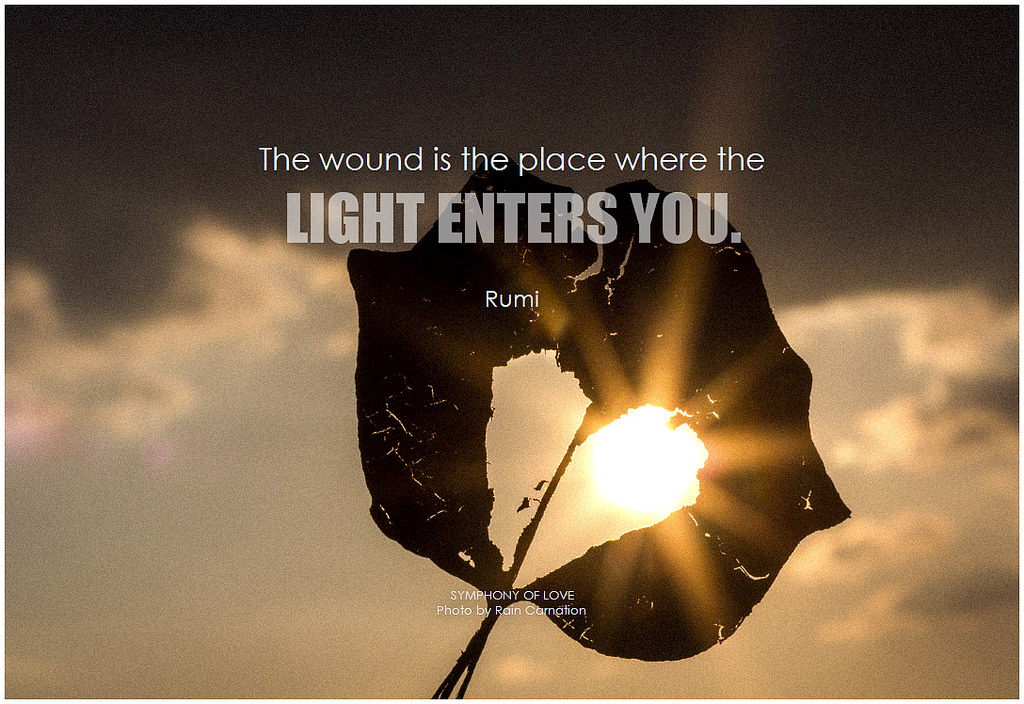
vulnerability-rumi

It seems to me that vulnerability is the only true path to your authentic self, the ultimate form of surrender; leading to what Brené Brown calls whole-hearted living: embracing compassion, courage and connection. But it’s a path strewn with pot holes of uncertainty, stones of insecurity and boulders of disappointments. It is the path less travelled.

I hope you enjoy these few verses; however, as promised in the title, I’ve saved the heavy hitting to the quotes that follow!

Vulnerability

Vulnerability opens up all possibility;

Tantalising outcome shrouded from view,

Emotions are unguarded, genuine,

To lower defences, let others in.

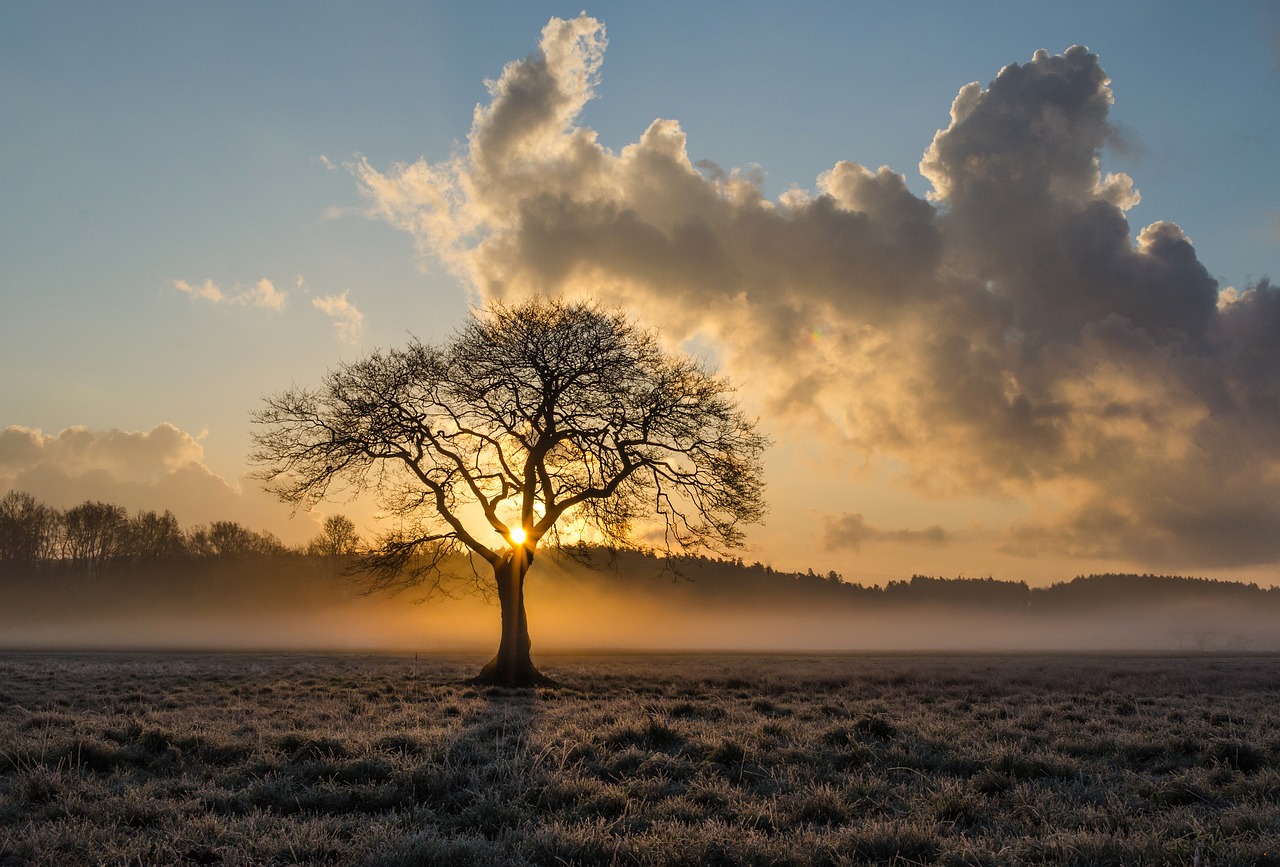
vulnerability-lone-tree

Hiding behind high walls, we are safe,

But life is not a medieval siege,

Vulnerability requires a two-way trade;

Open the gate and reception is made.

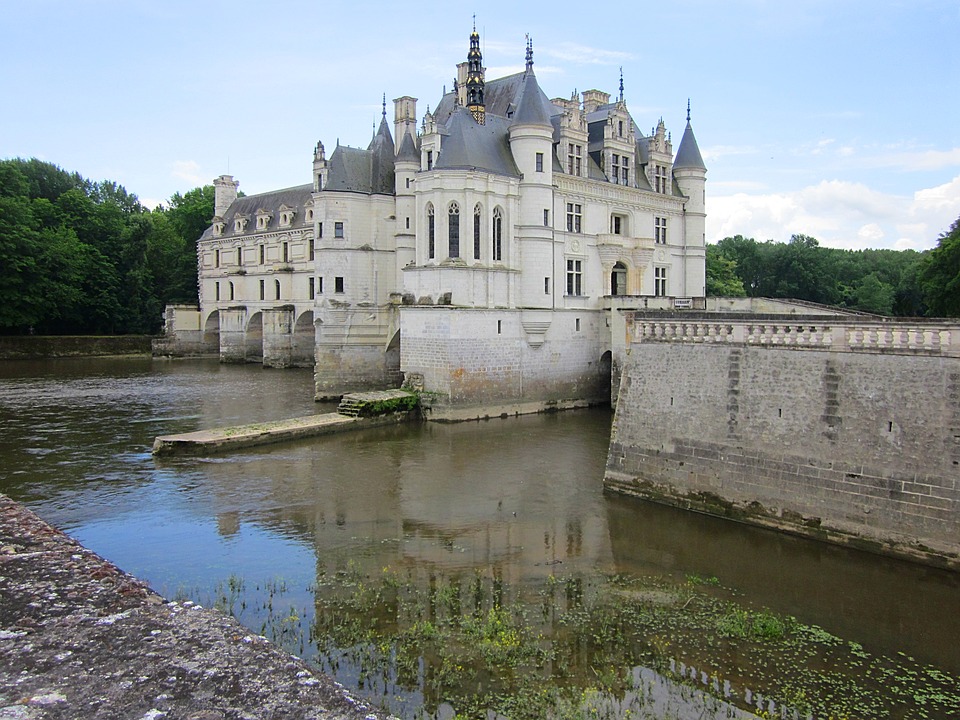
vulnerability-chateau-de-chenonceau

Over protection is airless, like a vacuum,

Do we breathe vulnerability or stifling safety?

Extreme caution leads to emptiness, numbness;

Is your life locked away inside a fortress?

vulnerability-girl-travelling-in-asia

We risk everything to show our light

And lay bare our earthly plight.

We may be misunderstood, maligned,

But also loved, appreciated and aligned.

vulnerability-elephants

The path to fulfillment and passion

Can only be navigated with the soul;

It knows the terrain, where to travel,

No light is hidden under a bushel.

vulnerability-tea-lights

A broken heart understands all hearts,

A failure procures respect for all who try;

A wounded soul does not aim verbal blows,

If it embraces the vulnerability we all know..

vulnerability-heart-rope

Introspection – arch enemy of arrogance,

Vulnerability tenderly accepts warts and all,

Blame vainly attempts to dissipate pain,

But without vulnerability it will remain.

vulnerability-bridge-hoikku-gorge

We may be rejected, insulted, ignored,

But shame and guilt win if we shield

Ourselves from joy, happiness and gratitude;

Forgive – move on, relax our attitude.

vulnerability-leopard

Flowers do not refuse to open tightly curled buds,

They do not fuss over a passing opinion,

Never ask admiration of their beauty, from seeing;

They simply blossom into a glorious statement of being.

vulnerability-wild-rose

Vulnerability keeps us humble, honest – alive.

Vulnerability embraces risk, uncertainty,

Vulnerability shows our true self, limits control;

Vulnerability is a map for the journey of the soul…

By Virginia Burges

17 inspiring quotes on vulnerability:

  1. “Vulnerability is the birthplace of innovation, creativity and change.” ~ Brené Brown
  2. “The strongest love is the love that can demonstrate its fragility.” ~ Paulo Coelho, (Eleven Minutes)
  3. “What happens when people open their hearts?” “They get better.” ~ Haruki Murakami, (Norwegian Wood)
  4. “To share your weakness is to make yourself vulnerable; to make yourself vulnerable is to show your strength.” ~ Criss Jami
  5. “Being vulnerable means being open, for wounding, but also for pleasure. Being open to the wounds of life means also being open to the bounty and beauty. Don’t mask or deny your vulnerability: it is your greatest asset. Be vulnerable: quake and shake in your boots with it. The new goodness that is coming to you, in the form of people, situations, and things can only come to you when you are vulnerable, i.e. open.” ~ Stephen Russell (Barefoot Doctor’s Guide to the Tao: A Spiritual Handbook for the Urban Warrior)
  6. “We are at our most powerful the moment we no longer need to be powerful.” ~ Eric Micha’el Leventhal
  7. “Owning our story can be hard but not nearly as difficult as spending our lives running from it. Embracing our vulnerabilities is risky but not nearly as dangerous as giving up on love and belonging and joy—the experiences that make us the most vulnerable. Only when we are brave enough to explore the darkness will we discover the infinite power of our light.” ~ Brené Brown
  8. “To love at all is to be vulnerable. Love anything, and your heart will certainly be wrung and possibly be broken. If you want to make sure of keeping it intact, you must give your heart to no one, not even to an animal. Wrap it carefully round with hobbies and little luxuries; avoid all entanglements; lock it up safe in the casket or coffin of your selfishness. But in that casket – safe, dark, motionless, airless – it will change. It will not be broken; it will become unbreakable, impenetrable, irredeemable.” ~ C.S. Lewis
  9. “There can be no vulnerability without risk; there can be no community without vulnerability; there can be no peace, and ultimately no life, without community. “ ~ M. Scott Peck
  10. “Security is mostly a superstition. It does not exist in nature, nor do the children of men as a whole experience it. Avoiding danger is no safer in the long run than outright exposure. Life is either a daring adventure, or nothing.” ~ Hellen Keller
  11. “Out of your vulnerabilities will come your strengths.” ~ Sigmund Freud
  12. “Vulnerability is our most accurate measurement of courage.” ~ Brené Brown
  13. “I feel like I’m a much better person when I’m developing my imagination and my innocence and my vulnerability. I like that version of me better than the version where I’m just working on my analytical mind.” ~ Brit Marling
  14. “Heroes are higher than their vulnerability. That is why they are heroes.” ~ Amit Kalantri
  15. “And maybe that was love. Being so vulnerable and allowing someone else in so far they could hurt you, but they also give you everything.” ~ Christine Feehan, (Water Bound)
  16. “What makes you vulnerable, makes you beautiful.” ~ Brené Brown
  17. “I think one’s relationship with one’s vulnerability is a very delicate and precious relationship. Most people try to hide, disguise that vulnerability, and in doing that, you, I think, diminish a great source of power.” ~ Philip Schultz

Until the next time- stay vulnerable!