Diatribe in D Major!

“Music gives a soul to the universe, wings to the mind, flight to the imagination and life to everything.” ~ Plato.

I can feel a rant coming on. I’ll try not to go overboard, but I’m already on top of my soapbox and it’s a subject very close to my heart – music.

I don’t think I could live without music and the arts, life would be so…lacklustre. Yet a narrow education policy and lack of funding is depriving thousands of youngsters the opportunity to benefit from learning music and thereby develop their innate creativity; which can only improve their lives.
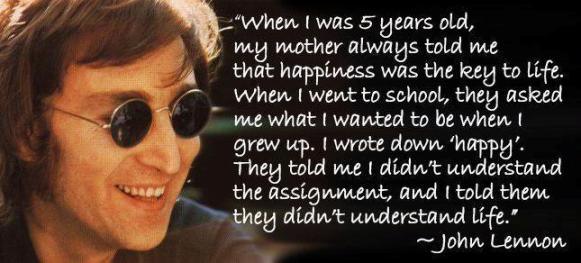
john-lennon-happy quote

My eldest daughter is now showing a great interest in singing and learning to play the violin, and we are so lucky that the High Wycombe Music Centre is just down the road. They do great work. It’s a major centre for brass and woodwinds, but they also do guitar and strings tuition. Emily plays the violin in their ‘sizzler’ group, which gives the children a chance to try all sorts of different instruments before deciding what, if any, they want to take further.

Emily has an hour of this, then a short break and an hour of singing in the junior choir on a Saturday morning. They are such a friendly, welcoming group, and Emily really loves going. It’s a pleasure to hear her singing their latest songs around the house, and it’s done wonders for her confidence. Although the music centre doesn’t charge exorbitant fees, every activity that is extra-curricular soon adds up, at a time when many families are struggling financially.

On Saturday 27th June Emily and her fellow students at the High Wycombe Music Centre will have the chance to perform at the Royal Albert Hall in the BLTM (Bucks Learning Trust Music) Gala. They do this every four years, and as Emily has been attending for only six months or so she’s fortunate to have the chance to take part.
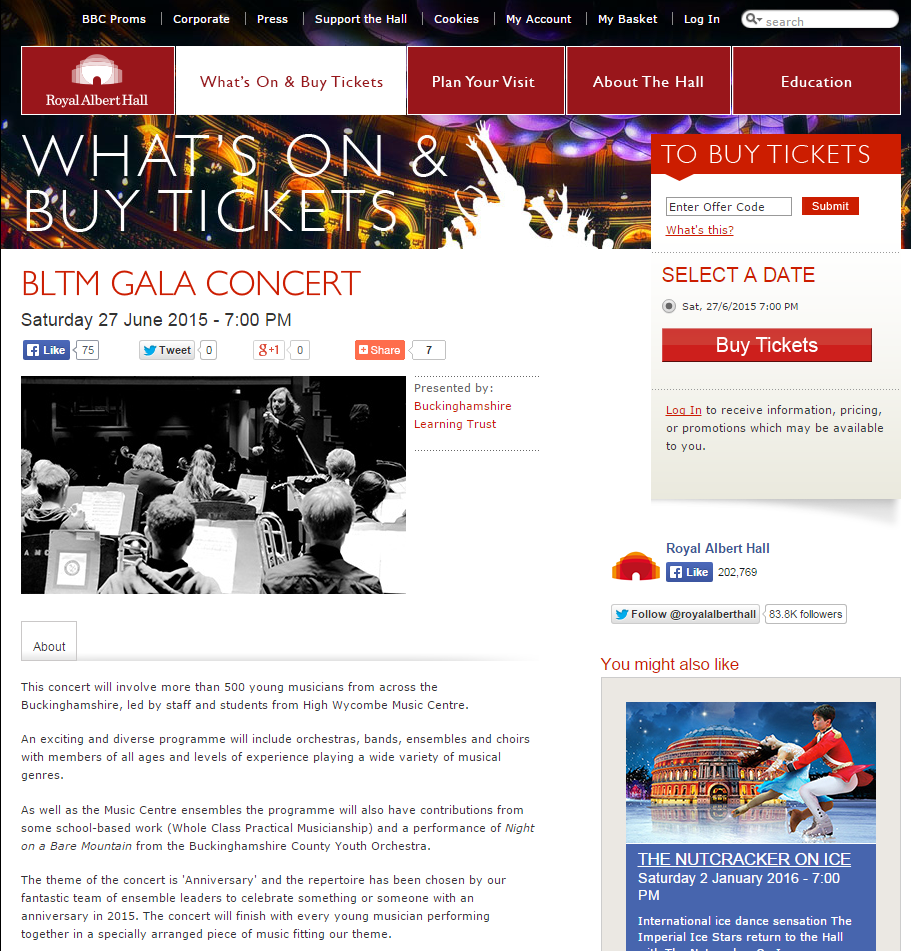
blmt_gala_rah

“Music expresses that which cannot be put into words and that which cannot remain silent.” ~ Victor Hugo

Earlier this year when Sir Simon Rattle returned to the UK after 12 years as the principle conductor of the Berlin Philharmonic Orchestra, he promptly suggested that London was in dire need of a brand new state-of-the-art music performance venue. Whilst I agree with him, as a leading city in the world, London should have a modern arts facility. The media really got behind it, even the chancellor and the Mayor of London are on-side. But not everyone agrees.

“Great art and music is created by people, not buildings.” ~ Ivan Hewett

Of course, London already has some fantastic historical and iconic venues: the Royal Albert Hall, the Wigmore Hall, St. Martin-in-the-Fields, the Southbank Centre, the Barbican and Cadogan Hall to name but a few.

It’s all wonderful that so much investment will be made in the possible construction of a new hall above the Barbican (current home of the London Symphony Orchestra), but there is one major point everyone is missing…

Where will the future British musicians, soloists, conductors and vocal artists come from to perform in this shiny new hall, if we don’t invest now in grassroots music education for all children, regardless of their socio-economic status?

And it’s not just the future of our nation’s artistic community that’s at stake; the very future of our society is in question. Ahem! Sorry about that, I just had a drama queen moment. Government ministers should be thinking outside the box when it comes to reducing poverty and its associated behavioural manifestations.

I firmly believe that music and the arts (along with education and a loving family environment) will help to protect against emotional, mental and physical vulnerability.

It’s that old computer analogy: garbage in = garbage out.

It starts with prevention. Prevention is easier than cure.  With overwhelming scientific evidence of how learning music affects brain development and impacts on a child’s life in so many positive ways, it defies belief to read about yet more cuts in the arts sector and in education.

Classical Music Magazine outlines cuts by several local authorities earlier this year.

A great visual presentation about how playing an instrument benefits your brain by Anita Collins:

I mentioned the #DontStopTheMusic campaign in a previous blog (The Importance of a Musical Education), and James Rhodes has done a great job galvanising the arts sector and government in improving this dire situation.

However, as someone who signed this petition on change.org last time, I recently had a message from them that made my heart sink: the government are still not giving music the same priority as other academic subjects.

A brilliant discussion about music and the mind that all parents, health and teaching professionals should study:

As the effects of our ‘age of austerity’ seep into our everyday lives there’s even more reason to protect music and the arts, by making sure that all children have access to the very thing that can stimulate a deep emotional response in their brains, that impacts their neurological health on many fundamental levels: memory, learning and plasticity, attention, motor control, language, pattern perception, imagery and other areas. Those early years are so important.

These 11 month old twin sisters demonstrate this point perfectly when they have a delightful reaction to daddy’s guitar playing:

My mother played Beethoven piano sonatas when she was pregnant with me, and I’m sure that’s why I love his music so much, and why music has played an integral part in my life. I grew up with it. We all have stories of how music has influenced us like that.

There would be no such thing as movie soundtracks if music didn’t play such a vital role in our emotional perception. Filmmakers understand how it can add that defining emotional hook in our minds. I wonder if Star Wars would have been such a hit without the majestic interplanetary sound track written by film composer John Williams. The two are inseparable.

Tufts University neuroscientist, Aniruddh Patel, explains how scientists study your brain’s response to music and what parts of your brain are activated by different attributes of music:

Music and the arts are not just some fluffy dispensable activity that stimulates creativity; they are scientifically proven to be beneficial to the human family across the world, no matter the culture. Human beings inherently respond to rhythm and music, it’s a natural and fun way to produce dopamine, the so called ‘feel good’ hormone.

And that concludes my diatribe. If I wasn’t sneezing, coughing and streaming with a summer cold I’d go and pick up my violin for a practice. I’ll just have to listen to this jazz/baroque fusion instead!

Music for a while.

Shall all your cares beguile.

Wond’ring how your pains were eas’d

And disdaining to be pleas’d.

~ Lyrics by John Dryden set to music by Henry Purcell

My call to action this week is to please sign the #DontStopTheMusic petition. The children will thank you.


10 Reasons Why Coconut Oil is sooooo Good for You!

In Sanskrit, coconuts are called ‘Kalpa Vriksha’, which means ‘the tree that gives all that is necessary for living.’

Coconut_Tree_in_Tamilnadu

I’ve been consuming coconut oil on a regular basis for about five months now, and I love it. Where I previously used extra virgin olive oil I mostly use coconut oil. It’s fabulous for cooking with, but as well as ingesting it you can use it topically for skin and hair. Coconut oil is such an all-rounder. Those tropical fuzzy brown balls really are the complete superfood…

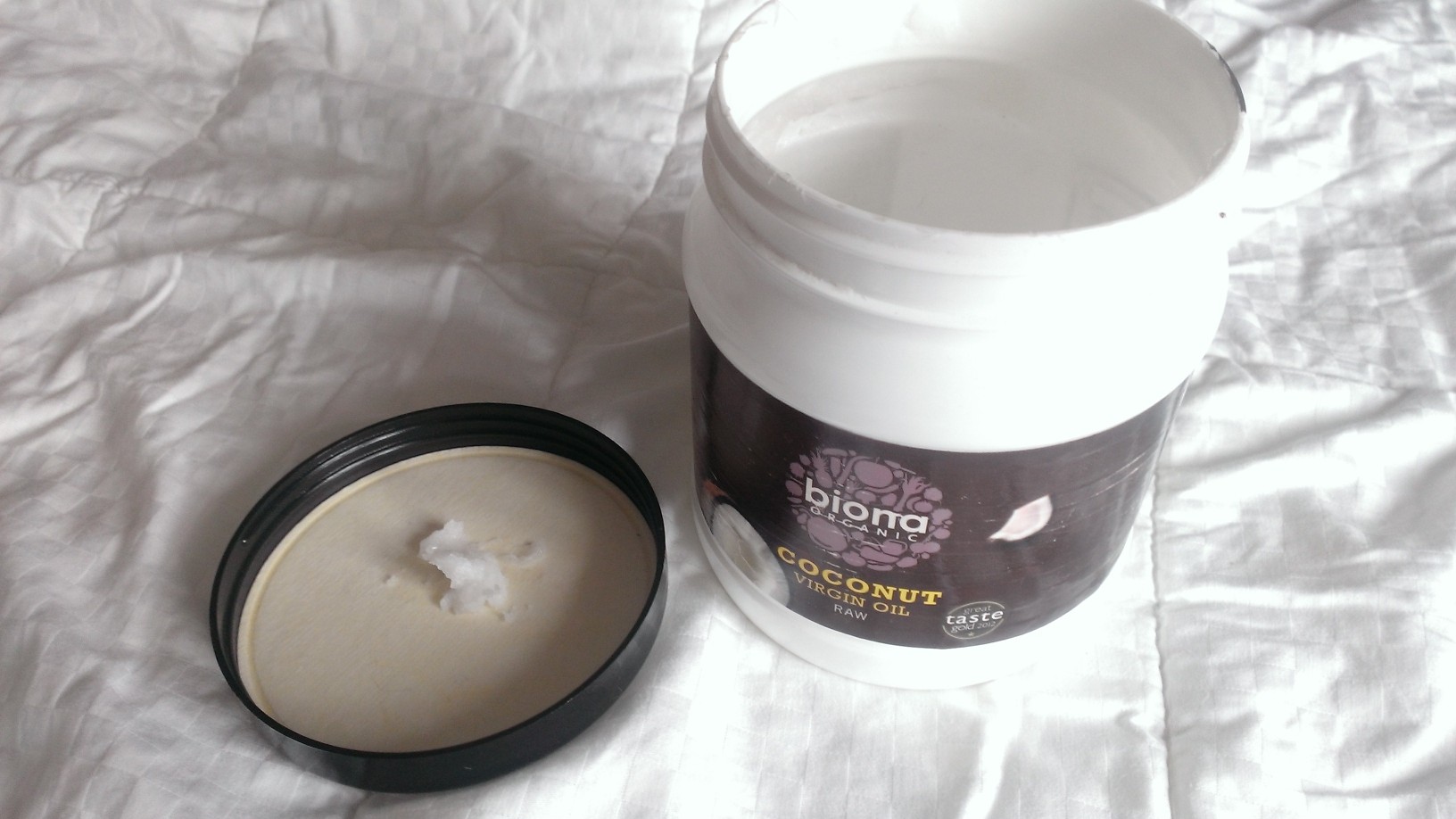
I use Lucy Bee’s extra virgin organic coconut oil for cooking and Biona virgin organic coconut oil for skin and hair. Just before bed I usually slather it on my face and body, and it soaks in quite quickly, leaving your skin soft and smooth with a subtle tropical scent.

Biona coconut oil

No wonder people who live in Asia and the Pacific Islands generally live so long and look so young; they are using nature’s nectar!

Coconut oil has been used for food and medicinal purposes for thousands of years, indigenous people learned it had enormous health benefits. It could well be the healthiest oil on earth.

The Saturated Fat Myth

You’ve probably heard or read that saturated fats are bad for you. In Western society the message has come over loud and clear: they clog your arteries, raise cholesterol, cause heart-attacks and more; but that’s just plain wrong! Not all fats are bad.
keep-calm-coconut-quote

The devil of fats is actually man-made trans fats (from hydrogenated oils), the sort you find in most commercial oils and which are used to prolong shelf-life in many processed foods . Any time any oil is artificially hydrogenated it creates a molecular distortion of its fatty acids, converting them into trans-fats. The more unprocessed and raw foods you can include in your diet the better.

Unrefined coconut oil is a natural saturated fat as opposed to a man-made saturated fat. The saturated fats in organic virgin coconut oil are ESSENTIAL to good health (in moderate dosage), as part of a healthy diet. There are no harsh toxic chemicals being put into your body or onto your skin.

Dr. Bruce Fife (author of The Coconut Oil Miracle), talks about the benefits of coconut oil:

10 Reasons to use pure, organic, unrefined virgin Coconut oil:

  1. Skin care. It’s brilliant for many types of skin problems such as acne, dry and cracked skin, dermatitis, eczema, itchy skin (e.g. yeast infections such as candida albicans), oily skin, pathogens, psoriasis, infections, wound healing and for anti-ageing in prevention of wrinkles. Mixed with certain essential oils it can even be used as a bug repellent cream. The properties in coconut oil make it antibiotic, antifungal and antimicrobial. It’s completely natural and can be blended with other ingredients to make scrubs, facials and emollient treatments. Coconut oil works well as a carrier oil in conjunction with essential oils that are used in aromatherapy.
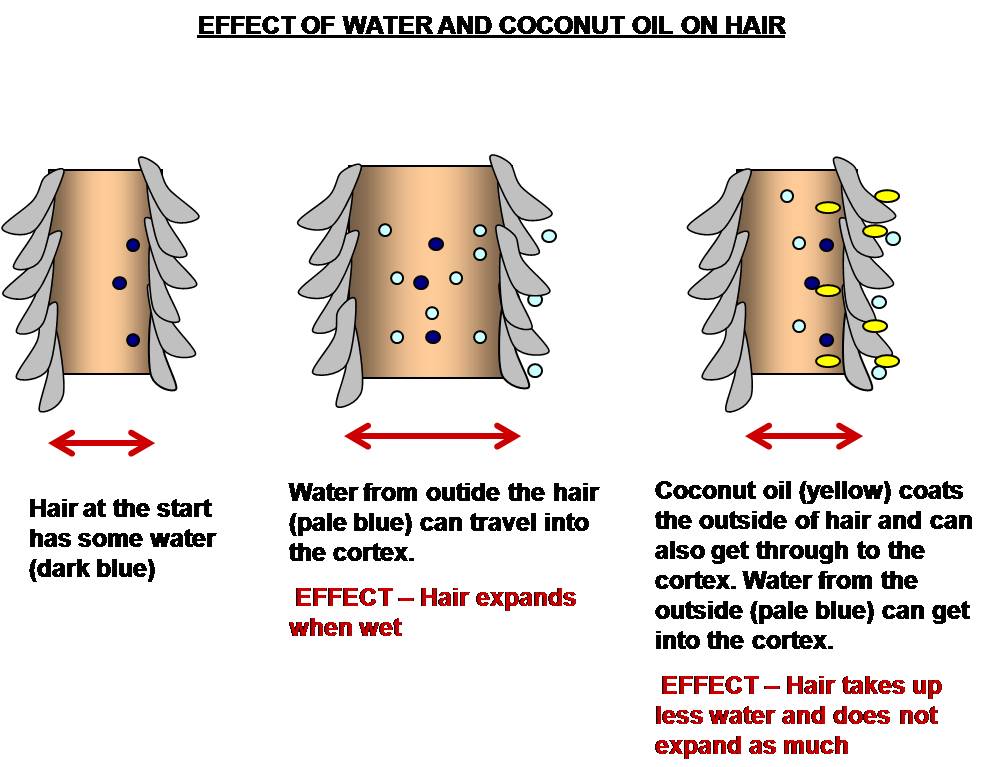
  2. coconut oil on harHair Care. As with skin, coconut oil can work wonders on dry, brittle, over heated and over treated tresses! Most over the counter treatments are a cocktail of toxic chemicals unless you know the brands that are completely free of parabens and sulfates. The Journal of Cosmetic Science published a study in 2003 where researchers found that coconut oil reduces protein loss in both healthy and damaged hair when used both before and after washing hair. It is an effective pre-wash treatment for damaged hair as the oil coats and protects the hair from water damage. The fatty acids enter the hair shaft and lock in the proteins, and it’s also a great de-tangler!
  3. Coconut oil contains MCTsMedium-chain triglycerides. Why should you care about that? MCTs comprise about two thirds of the total composition of coconut oil. Other vegetable oils are made up of LCTs – Long-chain triglycerides, which are more complex than MCTs and are harder for the body to digest and break down into energy. MCTs enhance your body’s ability to convert fat to energy and are a healthy source of energy as they’re sent straight to the liver. MCTs as part of a healthy diet are not typically stored as fat.
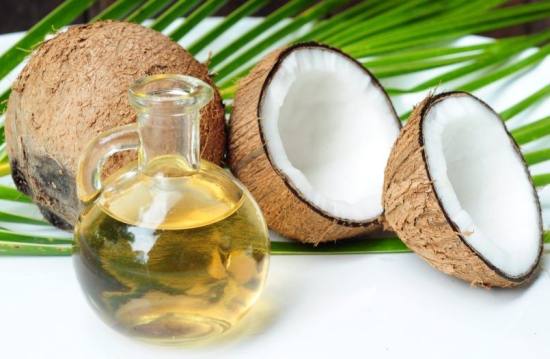
  4. Coconut-and-Coconut-OilLauric Acid (found in abundance in breast milk) forms around fifty percent of the MCTs in coconut oil. Your body converts lauric acid into Monolaurin, which has antifungal, antiviral and antimicrobial properties. Hence coconut oil is a natural remedy for bacterial infections, yeast infections and athlete’s foot among other conditions.  You don’t need to worry about bacteria building up resistance to coconut oil as you would with antibiotics prescribed by a GP because your body doesn’t recognise it as an ‘invader’ and won’t start to build up immunities against it. That’s one powerful natural antibiotic! Coconut oil contains roughly 6 to 8 grams of lauric acid per tablespoon. The secondary fatty acids are caprylic acid, capric acid and myristic acid.
  5. Aids your body with Vitamin E absorption. Whilst coconut oil does not have high levels of Vitamin E it has been shown to assist your body to absorb it in your diet. Vitamin E is a bit of a miracle worker. It helps with muscle growth, blocks polyunsaturated fats from oxidizing, helps to regenerate and repair damaged tissue and wounds, it’s an anti-oxidant that protects your cells from free radicals which are unstable molecules that can wreak havoc in the body, and it also promotes neurological health.
  6. Instant energy boost & weight loss. Because your body can easily digest coconut oil and utilises the MCTs much more quickly than other types of fatty acids it gives you an instant energy boost, and because it’s not stored as fat in the body you can keep your weight at healthy levels in conjunction with exercise and a healthy diet. Obesity is usually quite rare in cultures that consume coconut oil.
  7. Controls cholesterol. Coconut oil promotes healthy HDL cholesterol levels and lowers the bad LDL cholesterol.
  8. A balanced metabolism. Current research is pointing to coconut oil being able to correct thyroid malfunction. The Alternative Daily Special Report: Coconut Oil Exposed.
  9. Coconut oil is stable at high temperatures. It’s great for cooking with and can be used for frying, roasting and baking. Coconut oil can also be used raw and unheated in soups, smoothies, or combined with vinegar, honey and olive oil to make a scrumptious salad dressing, for flavouring coffee, melted and drizzled over roasted vegetables, drizzled over rice, on baked potatoes, mashed potatoes, used to scramble and fry eggs, or spread on toast. There are a myriad of different recipies online and in books.
  10. Supports the immune system. The antiviral properties of coconut oil can help to fight off and lessen the severity of colds and flu. It can be taken as a supplement in warm tea to help alleviate sinus congestion, and externally when mixed with a little eucalyptus oil it can be rubbed on your chest as a natural decongestant.

Storage

To prolong the life of your coconut oil, keep it in a cool, dark environment away from heat, light and oxygen. Coconut oil is slow to oxidise and turn rancid when kept this way.

There isn’t a recommended daily intake amount for coconut oil but some health experts advise taking 2 to 3 tablespoons per day.

coconut trees

No wonder diseases such as cancer and diabetes are on the rise. In our increasingly polluted environment our bodies are continually assaulted by the elements, man-made chemicals and from processed and genetically modified food, so it makes sense to protect them with nature’s nectar!

It may not be an instant magical elixir that will cure all your ailments or help you to lose weight overnight, but I do know what it has done for me, and I can wholeheartedly recommend it.

“He who plants a coconut tree plants food and drink, vessels and clothing, a home for himself and a heritage for his children” ~ South Seas saying

The Great Virtuoso Violinists/Composers of the 18th Century: Viotti

“…the violin — that most human of all instruments…” ~ Louisa May Alcott

Giovanni Battista Viotti: (12 May 1755 – 3 March 1824)

I have to admit, I didn’t know that much about Viotti before I began writing this post.

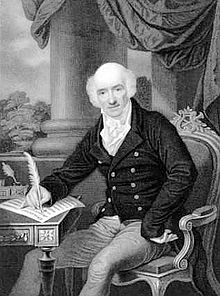
Giovanni_Battista_Viotti_afterTrofsarelliHe was 27 years older than his more famous and infamous compatriot, Paganini; but in my view he deserves just as many plaudits. Viotti was a key influence in the lives of many violinists and composers, such as Rodolphe Kreutzer, Pierre Rode, Pierre Baillot, Louis Spohr and Paganini indirectly, (via his pupil August Duranowski).

Beethoven himself drew inspiration from Viotti’s violin concertos.

Many modern violin greats can trace their pedadogical legacy back to Viotti. He is the founding father of the style of violin tuition from the early days of the Paris Conservatoire.

It’s probably fair to say that his skill as a violinist outshone his skill as a composer.

However, I had no idea he wrote such a substantial body of work: 29 violin concertos, 2 symphonie concertantes, many violin duos, violin and cello sonatas, string quartets and trios, a cello concerto, around 17 piano concertos (arrangements of his violin concertos), as well as 2 flute concertos, (also based on his violin concertos), plus other chamber works.

Uto Ughi and Guido Rimonda perform the duetto per due violini (music commences at 44 seconds):

Viotti’s musical education was under the patronage of Alfonso dal Pozzo della Cisterna in Turin and later by violinist Gaetano Pugnani. He served at the Savoia Court in Turin for eight years before touring as a soloist, initially with Pugnani throughout Germany, Poland and Russia, before he found favour in Paris; making his debut as a violinist in 1782 where he became the court musician to Marie Antoinette at Versailles.

He remained in France as a teacher and opera impresario, founding a new opera house in Paris under the patronage of the king’s brother (Louis-Stanislas-Xavier, comte de Provence), in 1788. He worked closely with his friend and opera composer, Luigi Cherubini whom, incidentally, Beethoven regarded as the greatest contemporary composer.

Despite his affiliation with the French monarchs Viotti was philosophically aligned with the Enlightenment movement and the teachings of Jean-Jaqcues Rousseau. After the French Revolution took a turn for the worse Viotti’s opera house was renamed Théâtre Feydeau in order to distance himself from the unpopular French Royalty.

Viotti kept his head and moved to London in 1792 where he became popular both as a violinist and musical director of opera concerts. He met Joseph Haydn in London in 1794, whose musical influence can be heard in Viotti’s later concertos.

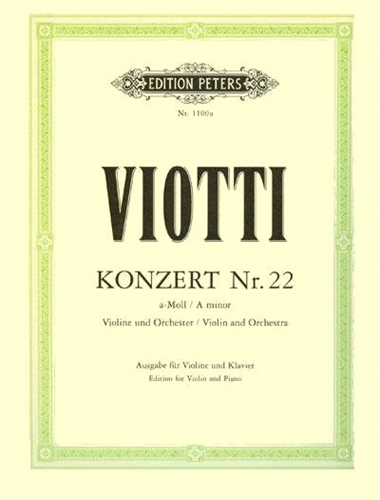
Viotti - Violin Concerto no. 22 sheet music cover

Tension between Britain and France led to him being expelled from Britain because of the Alien Bill in 1798, under the false charge of being a Jacobin; only to return two years later from Germany to live in secret with his English friends and supporters, William and Margaret Chinnery.

Around 1801 Viotti set up a wine merchant business, stating, “I find that the English prefer wine to music.” Unlike Paganini, who adored the limelight, Viotti was happier performing at smaller, more intimate gatherings. During this time he continued to compose and put on private concerts.

His friend (and younger brother to the Prince of Wales), the Duke of Cambridge, made it possible for Viotti to become a naturalised British Citizen in 1811, and Viotti became a key figure in the creation of the Philharmonic Society in London in 1813. At this stage of his career he played mostly as a chamber musician and orchestra leader.

When his wine business failed he returned to Paris to become the director of the Italian Opera between 1819 and 1822.  He returned to London in 1823 with Mrs Chinnery and died a year later.

Here is my favourite of his violin concertos, No. 19 in G minor, written in the 1790’s which has a contemporary sounding lyrical drama and a gorgeous melody, performed by Rainer Kussmaul:

The first movement of the same concerto arranged for piano:

Viotti’s Violin Concerto No. 22 in A minor was composed in 1803, and was revived by the virtuoso violinist Joseph Joachim in the 1870’s, elevating it to the most popular of his violin concerti. Brahms was also an admirer of this work, using artistic license from it in his own violin concerto. Here is one of the greatest violin virtuoso’s of the 20th Century, Itzhak Perlman, playing the third movement:

Origins of the French National Anthem

In 1781 during his time at Versailles, Viotti composed his Theme & Variations in C Major, which was copied in 1792 by Rouget de Lisle and dubbed ‘Song of War’. The ‘song’ was later adopted by volunteers from Marseille, and thus the “Marseillaise” was established, first becoming France’s national anthem in 1795. It seems rather unfair that de Lisle took all the glory!

Franz Liszt also wrote a piano transcription of the Marseillaise:

Viotti’s Violin

Viotti’s violin was made by Antonio Stradivari in 1709, and was given to him by Catherine the Great.

Viotti’s Strad also features in the opening chapter of my novel, The Virtuoso. My protagonist, the concert violinist Isabelle Bryant, is giving a Masterclass at the Royal Academy of Music, where the violin is now on display. Here’s the excerpt from Chapter 1:

Her violin represented another limb to her, it was that precious. It felt so natural, like an extension of her body. She gently rubbed her neck which was feeling a little sore. The rough, red patch of skin on her neck just below her jaw was often mistaken for a love bite, when in fact it was she affectionately referred to as a violinist’s hickey. Many hours of gruelling practice had left their marks.

Her mind drifted to her earlier private viewing of the Academy’s museum, where she had been shown round by the curator in person. She had spent a blissful afternoon paying particular awe and reverence to their recent acquisition of Italian virtuoso Giovanni Battista Viotti’s 1709 Stradivarius, renamed as the Viotti ex-Bruce to honour its British donor, which the Academy extolled as one of the most important and well preserved Stradivarius violins in the world.

She had studied the the sheen of the dark, pinky brown maple; picturing the old master craftsman huddled in his workshop in northern Italy; surrounded by the distinctive wooden shapes that would become so valuable over three hundred years later. Sadly there were so few of them remaining.

Her own violin, a modern Nagyvary, was crafted by the eminent Hungarian professor Joseph Nagyvary, who had spent his life studying the craftsmanship of Cremonese violin makers; namely Stradivarius and Guarnerius.

Nagyvary violins were made as closely to those of the ancient genius as possible, and there had been many debates about whether or not they sounded as good as those of the master. Isabelle adored it sonorous tonal qualities and projection power. If a Nagyvary violin had been good enough for Yehudi Menuhin to play for fifteen years, then it was good enough for her.

I found a great vintage recording of Raff’s Cavatina by violinist Pauline Hall, playing on Viotti’s Stad in 1912:

In the late 1600s the finest instruments originated from three rural families whose workshops were side by side in the Italian village of Cremona. First were the Amatis, and outside their shop hung a sign ‘The best violins in all Italy.’ Not to be outdone, their next-door neighbours, the family Guarnerius, hung a bolder sign proclaiming ‘The Best Violins In All The World’ At the end of the street was the workshop of Anton Stradivarius, and on its front door was a simple notice which read ‘The best violins on the block.’ ~ Freda Bright

Guest Blog: Eating to Conceive by Saffron Rogerson

“There is such a special sweetness in being able to participate in creation.”  ~ Pamela S. Nadav

Saffron Rogerson Nutritional TherapistAlthough my childbearing days are over, I figured the advice of Nutritional Therapist Saffron Rogerson (BSc Nutritional Therapy, MBANT), who specialises in fertility and conception, would be invaluable for couples who are planning to have children, and especially for those ladies who may have found conception has taken longer than they would have liked.

Saffron gives some expert nutritional advice on how to give yourselves the best chance to conceive a healthy baby; except of course, for the ins and outs of baby practice time!!

If you’re looking to get pregnant it can pay dividends to be nutritionally savvy from the offset, not just once your periods stop and the morning sickness starts.

The reasons for this aren’t obvious until you realise that it can take 2½ – 3 months to develop fully-mature, ready-to-be-ejaculated sperm.  Equally it can take just as long for an egg to mature before it reaches ovulation.  During this process of maturation certain nutrients are essential in both the mother and the father for the crucial stages of cell DNA replication and transcription.  A healthy diet for both partners can ensure that when the sperm and egg finally meet they’re carrying all their correct genetic information and both are resilient enough to finish the journey.

“It can take 2 ½- 3 months to synthesise fully-mature, ready-to-be-ejaculated sperm…”

Of course, even when actively trying to get pregnant, many women won’t realise they’ve achieved their goal until the first missed period.  By this stage they could already be three weeks down the line of foetal development, at this point there has already been a massive multiplication of cells and the resulting blastocyte is in the process of burrowing into the uterine lining. Great nutrition at this stage will not only result in the best foetal health but also help to make the uterine lining as receptive and nurturing as possible.

So, to help you get in the best health for pregnancy, make sure that you have plenty of the following in your diet:

Zinc

asparagus for spermThis mineral is commonly associated with male fertility and is crucial for cell division.  Found in seafood and asparagus (hence their reputation as aphrodisiacs) but also in eggs, fish, whole grains, lean meat and seeds and nuts.

Folate / Folic Acid

As the neural tube is one of the first things in the developing embryo (the precursor to the central nervous system) it is crucial that you keep folate levels up.  It’s so important in fact that many health providers recommend that the mother supplement with folic acid before and during pregnancy.  Recent research has shown that vitamin B12 is additionally vital for the same reasons. Consequently ensure that your daily multi-vitamin has a broad spectrum of B vitamins which specifically include folic acid and B12.  Alternatively ensure your diet is rich in yeast products, pulses, leafy green vegetables and whole grains.

Iodine

As with folic acid, iodine is important in the development of the early central nervous system, specifically the brain. Research has shown that low levels in pregnancy have been connected with many mental health issues in the child such as cretinism, ADHD and autism. Iodine is most easily found in fish, seafoods and seaweed but also dairy products.

Anti-oxidants

Several nutrients can work as cellular anti-oxidants which is important when cell multiplication is happening so rapidly. These include selenium, co-enzyme Q10 and vitamins E and C.  Whole grains, seeds and nuts are good sources of selenium and Vitamin E whilst Vitamin C can be found in abundance in all fruits and vegetables. Co-enzyme Q10 can be found in fish, sesame seeds, broccoli and eggs.

Omega 3

Not only important for sex hormone synthesis but Omega 3 polyunsaturated oils have been also recommended to increase sperm quality and count.  Most easily found in oily fish but also flaxseeds walnuts and pumpkin seeds.

Protein

Used again as the basis for sex hormones but equally needed for sperm creation and cellular replication.  There are many sources of protein but look for quality sources such as lean meats, eggs, fish and dairy which will help you to obtain all the essential amino acids.

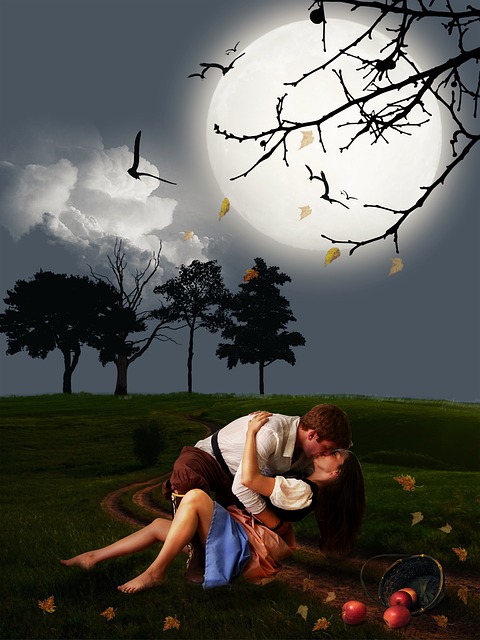
See, spot the apples?  This couple know what they’re about…

See, spot the apples? This couple know what they’re about…

Making sure your kids eat right doesn’t start at the kitchen table, it starts three months prior to even the twinkle in his eye.

At This Life Nutrition mother of four, Saffron Rogerson, understands the science behind the headlines. Achieving better health through diet and lifestyle is not about the latest trend – using sound evidence based research, she will assess you as an individual, reviewing your diet, lifestyle and medical history. She provides pertinent, tailored adivce to deal with issues, addressing any nutritional deficiencies and optimising health.

Saffron has been privileged to help clients with a wide range of health conditions including issues with conception, bloating, painful joints, menstrual pain, hormonal imbalances and much more.

For more pre-natal, ante-natal, and post-natal advice please contact her by email: saffron@thislifenutrition.co.uk. You can also connect with her on Twitter (@MamaNutrition).

Wired for Sound

“If you want to find the secrets of the universe, think in terms of energy, frequency and vibration.” ~ Nikola Tesla

I hope to furnish you with some sound advice in this post!

I recently learnt that every atom, cell and organ of our bodies generates its own electromagnetic field, a set of specific vibrational frequencies unique to each organ, so it could be said that your entire being is resonating like a kind of biological orchestra.

cymatics

Humans have evolved on our home planet over millennia, and as such, our bodies function best in a vibratory environment ranging from 7.813Hz (cycles per second) to around 40 Hz, the sound signature of Earth. Yes, our planet sings too, and this frequency range is known as the Schumann Resonance.

At any given moment about 2,000 thunderstorms roll over Earth, producing some 50 flashes of lightning every second. Each lightning burst creates electromagnetic waves that begin to circle around Earth captured between Earth’s surface and a boundary about 60 miles up. Some of the waves – if they have just the right wavelength – combine, increasing in strength, to create a repeating atmospheric heartbeat known as Schumann resonance.

NASA are now exploring sound and light therapy to assist astronauts with bone loss due to prolonged time in a zero gravity environment, as well as a raft of other healing applications.

The whole universe is a cosmological symphony! Quantum physics tells us that everything is made up of energy, and that energy has varying frequencies. Light and sound waves are interchangeable energies, meaning physical, mental and emotional imbalances can be healed and re-harmonised using sound, light and colour to heal us at a cellular level.

“Concerning matter, we have been all wrong. What we have called matter is energy, whose vibration has been so lowered as to be perceptible to the senses. There is no matter.” ~ Albert Einstein

Sacred Sounds 

I recently met an amazing lady who opened me up to a whole new world: one of pure resonance. As a practitioner of Sound Therapy she explained to me how sound affects every area of our life. She also taught me about the remarkable healing power of the human voice.

The voices of ancient Gregorian Chant were said to utilise ancient sounds known as the Solfeggio Scale, which consisted of 6 sacred tones: Ut – Re – Mi – Fa – Sol – La.

It’s a fascinating subject, and I found a great website that explains all about the Solfeggio Scale and its origins with the medieval monk, Guido d’Arezzo. The syllables of the scale were taken from the first of each Latin Stanza of the hymn written by Benedictine, Paulus Diaconus.

The Hymn to St. John The Baptist, Ut Qeant Laxis:

Tuning & Temperament

The whole subject of tuning seems to be quite complex, and probably worthy of a separate post. I thought it would be good to provide a flavour of the issues and some links and videos to explain something I don’t fully understand. From what I can gather it boils down to harmony, and what sounds better to the ear and the soul, but there’s lots of maths behind it. Stay tuned!!

What’s so special about 528Hz?

This is the third tone in the Solfeggio Scale, said to be the ‘miracle’ (Mi) note, associated with DNA repair. In standard western tuning of A-440 Hz the closest one can get is C (above middle C) which equates to 512Hz.

The A-432Hz vs. A-440Hz Debate

In reading up about the Solfeggio scale it became apparent that many believe the standard western tuning of A-440Hz to be in dissonance with these original frequencies. Apparently Mozart and Verdi, going right back to the ancient Egyptians used 432Hz tuning. Baroque tuning was around 415Hz. It was never an exact science as the technology to ascertain the exact pitch was not invented in those days so they used their ears and rudimentary tuning forks, which were invented in 1711.

Even the so called modern standard concert pitch of A-440Hz varies around the world. The Boston Symphony Orchestra and the New York Philharmonic are known to tune their pitch to A-442Hz, and classical German and Austrian orchestras (as well as some other continental European orchestras), tune up to A-443Hz.

Here is Mozart’s Symphony No. 40 in G minor, KV 550 played in A-432 tuning, see what you think:

Milton Mermikides puts forward a very balanced and comprehensive article concerning the pitch debate.

Just Intonation (JI) and 12 Tone Equal Temperament

This is a fairly complex subject. I don’t want to bamboozle you (because it certainly made my head spin when I investigated these historical methods of intonation – including Pythagorean), so I think it’s better to provide some links by people who really know what they are talking about and a couple of videos to put the points across. Just Intonation explained by Kyle Gann.

Tuning Theory, Just Intonation:

Goeyvaerts Trio about ‘just Intonation’ in Arvo Pärt’s Stabat Mater:

The difference in sound and aesthetics is undeniable. Personally, I found JI imbued the music with a spiritual quality, and I felt peaceful when listening..

Eben Goresko isn’t the best pianist, but he does an interesting presentation showing how classical repertoire sounds when performed with historical tunings. Musical excerpts and demonstrations of Equal Temperament classical piano compositions performed in Well and Modified Meantone Temperaments:

“If you only knew the magnificence of the 3, 6 and 9, then you would have a key to the universe.” ~ Nikola Tesla

Sound Therapy 

Sound therapy works in a similar vein to meditation in that it utilises the law of entrainment. Groups of women living together will notice that over time their menstrual cycles will start to synchronise, just as our internal body systems fall into synchronised rhythms. Even our biological clock seems to fall in line with the rhythm of the Earth relative to the sun, so that we become attuned to our environment.

Have you ever noticed when two people walk together for a while will fall into step with each other?

Entrainment was first discovered in 1665 by Dutch scientist and mathematician, Christiaan Huygens, when he performed an experiment with a room full of pendulum clocks. He set them up one by one, and when he returned the next day he found that their pendulums were swaying in synchronisation. From this experiment he surmised that closely related rhythmic cycles synchronise to conserve energy.

The phenomena of entrainment means that any energy systems (whether it be biological, electrical, musical, geographical, meterological etc. will entrain if exposed to each other for long enough.

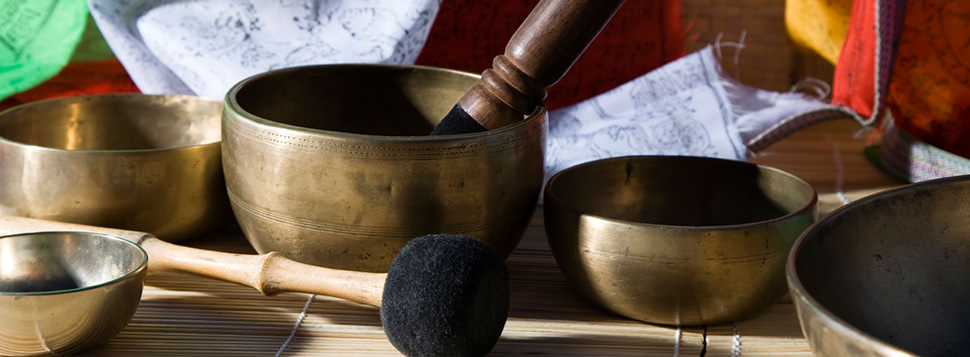
sound-therapy bowls

There are two main types of treatment, sonic and non-sonic. Sonic treatment involves the use of Himalayan bowls (Tibetan singing bowls), gongs and crystal bowls which produce sine waves. They give off pure sound. These act as tuning key for the Chakras along with the human voice in the form of mantras.

The non-sonic treatment involves the use of specialist tuning forks, and can be directed towards subconscious reprogramming as well as physical healing.

Sound and light therapy is used to heal a variety of physical and emotional conditions, such as arthritis, cancer, etc. and can act as an energiser, to help provide motivation for giving up smoking and other self-sabotaging habits. Disease can occur when our subtle energies are blocked. Emotional problems, stress, anxiety, pollution and poor nutrition can all contribute to lower energy, and this manifests eventually as physical ailments.

In my opinion energy medicine should not be considered ‘alternative’, it should be considered ‘mainstream’.

“The day science begins to study non-physical phenomena, it will make more progress in one decade than in all the previous centuries of its existence.” ~ Nikola Tesla

Sound Phenomena

The phenomenon of Sonoluminescence occurs when sound is applied to a bubble in liquid which can produce a bright light. The theory is that the collapsing bubble generates an imploding shock wave that compresses and heats the gas at the centre of the bubble to create an intensely high temperature.

Cymatics is the process of visualising sound. Sound affects matter. A short TED talk that explains what it is and how it used:

A cool visual demonstration of Cymatics. Science Vs. Music by Nigel Stanford:

We have all experienced how a beautiful piece of classical music or opera can induce an emotional response: tears, euphoria, calmness and dreaminess at the top end of the scale (excuse the pun!) down to agitation, anxiety and fear from loud, harsh and dissonant noises. Sound and music also have a very powerful link to memory as well as mood.

I wonder if the origin of the phrase, “I slept soundly,” is some kind of subconscious reference to our bodies vibrating in a state of perfect harmony or a link to the divine. That feeling of total rejuvenation and refreshment…

The sound of one of my children crying or screaming puts me on edge like nothing else can. It seems crazy to wake to the sound of a jarring alarm clock, just as it’s incredibly comforting lying down and listening to the sound of rain drops on a window pane. For me, nature provides her own beautiful music.

ocean waves2

There’s something magical about the sound of birds singing, the swoosh of the ocean as waves crash onto a beach, or the rumble of pebbles as the waves recede and pull them back into the foamy water. Nature’s sounds can be both violent and gentle. Thunder still has the power to startle me, just as the soft swish and sway of leaves on branches bending in the wind are quite hypnotic. It’s wonderful to sit in a garden with the sweet scent of honeysuckle carrying on a breeze as the bees buzz around you. Being outdoors can have such an energising effect on us.
From a human perspective I love how contagious laughter is. Sound affects us in every area of our lives. We are literally wired for sound!

I hope you find your frequency…

“There is in souls a sympathy with sounds:

And as the mind is pitch’d the ear is pleased

With melting airs, or martial, brisk or grave;

Some chord in unison with what we hear

Is touch’d within us, and the heart replies.” ~ William Cowper

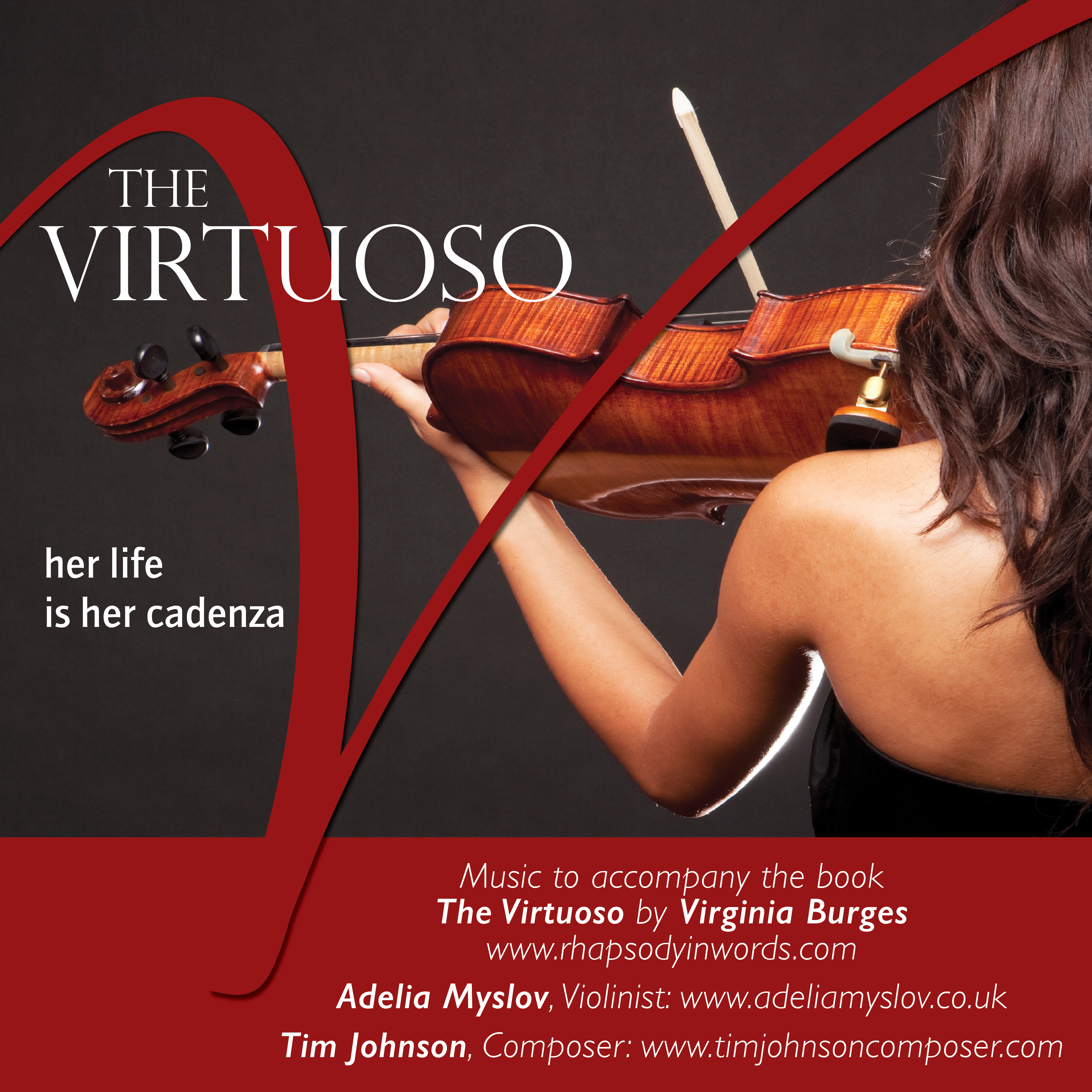
#TheVirtuoso – First the Book, Now the Music!

“When you play a violin piece, you are a storyteller, and you’re telling a story.” ~ Joshua Bell

I’ve been itching to write this post for weeks….

Paradoxically, now the time is here I’m slightly lost for words. I have many superlatives for the work of film/TV composer Tim Johnson and virtuoso violinist Adelia Myslov, and to tell the truth, I feel quite emotional…

In a good way I hasten to add!

Whenever I listen to the superb soundtrack that Tim and Adelia created I can hardly contain myself. The music is playing on a continuous loop inside my head alongside the events of the novel.

After I finished writing The Virtuoso I knew I wanted to have an original piece of music written for it. To tell the story of a violinist and not have a musical narrative to complement it seemed somehow incomplete.

Virtuoso iTunes Cover ONLINE ARTWORK (2)

The journey so far…

Adelia and I met last summer after one of her concerts – she had just given a tear-inducing performance of Mendelssohn’s Violin concerto – and I was bowled over by her talent. We met briefly afterwards, and I wrote about her in one of my early posts: Gem of a violinist illuminates Church Concert. We hooked up on Twitter, and Adelia read my book prior to publication.

I was quaking in my boots, I can tell you. Luckily she enjoyed it, and endorsed how ‘real’ it was, so I was relieved that a virtuoso violinist had authenticated the musical aspects of my story. I suggested it would be wonderful if she could play the ‘theme’ for it, and to my absolute delight Adelia agreed!
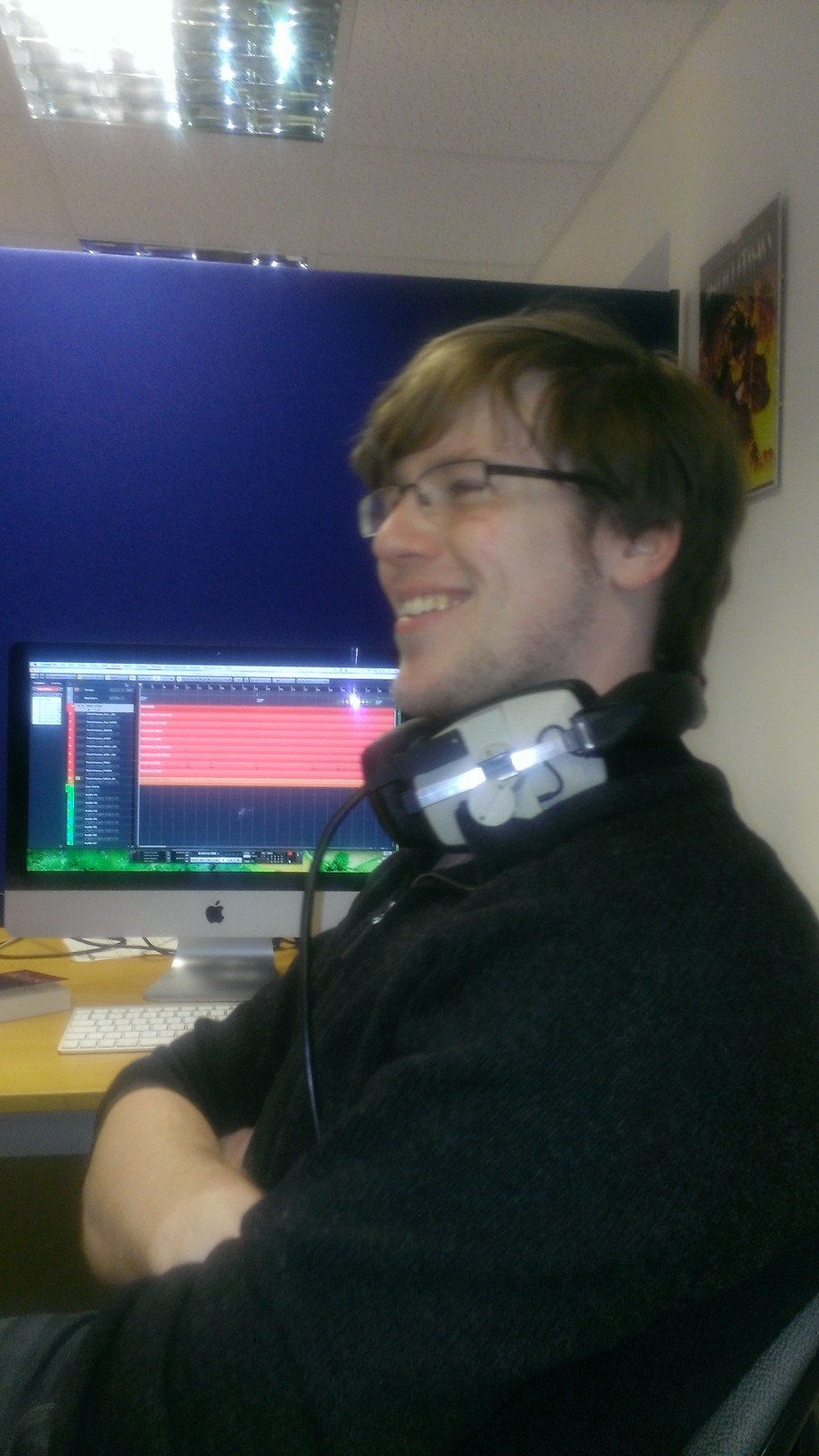
We met up to discuss the project, and Adelia put me in touch with Tim (who she met while studying at the Royal College of Music), and the rest, as they say, is history!

About Tim

Tim began playing classical guitar at the age of 9, then moved to electric shortly after. He has always enjoyed music that was loud and fast, regardless of the genre, be it punk, metal, drum and bass or Bach.

Tim JohnsonOn track to study as a sports scientist in college, Tim did a U-turn and decided he wanted to be a professional musician. He completed his music technology A-level in just one year (instead of the usual two), alongside a traditional A-level; after which he gained a place at the University of Hertfordshire to study for a B.Sc. in commercial music composition and technology. During that time he discovered a love for writing film music.  He always enjoyed listening to it, but it was during his time at university when he decided that it was the career for him. Tim left Hertfordshire with a 1st Class Honours degree.

Despite fierce competition in the world of film composition Tim managed to write for a few adverts and other jobs when he started out, but in light of how tough it was to get hired he decided he should continue his education. He was accepted into the Royal College of Music to study Musical Composition for Screen under Francis Shaw.

Along with a good friend, Konstantine Pope, Tim was the first student to be allowed to use the main concert hall for a live electronic concert, with full orchestra, rock band, electronics and a cinema screen with visuals.

“They obviously saw enough potential in me. The experience was incredible and I learned a colossal amount, about how to write good music, about the industry, about networking and communicating with musicians… respect for musicians and their talents.”  ~ Tim Johnson

Since then, Tim has written music (or created sound design) for AAA games, trailers, movies and of course, for The Virtuoso!

The Brief

I explained to Tim that I wanted a unique theme with a classical feel to it, perhaps a little Beethovenesque (due to his part in the novel), that would serve three aims: to dramatise the story, give the listener an idea of Isabelle’s character and also a musical experience of the overall essence of The Virtuoso.

After we recorded the music Tim told me about how he initially struggled with the concept of a virtuosic piece, and the idea of playing notes for the sake of playing them. He confided in a respected colleague; the conductor and film composer, Nic Raine, who advised him that just a single note can sound virtuosic; it’s how the musician plays the note that matters, it’s their interpretation that makes the difference. He said that Tim should concentrate on a memorable theme. His advice clearly paid off!

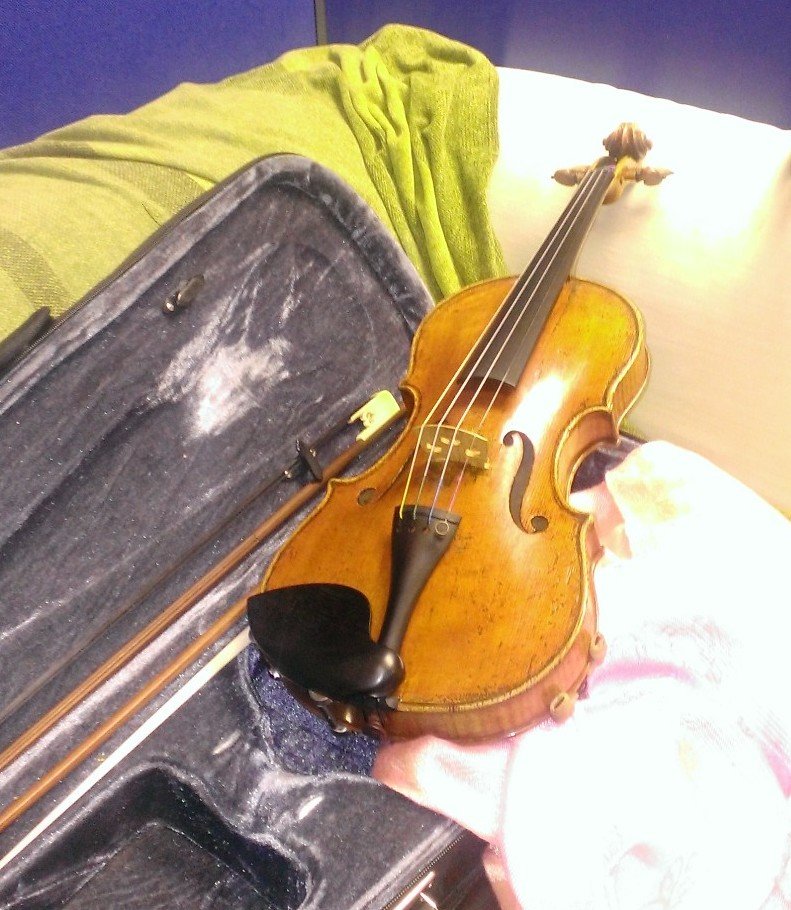
Tim has done that and more, with a divine melody that Adelia has brought to life on her 18th Century Lorenzo Storioni violin, crafted in Cremona.

Adelia's Storioni Violin

Adelia’s Storioni Violin

As an aside, I recently learned that Arnold Steinhardt (the leader of the legendary Guarneri Quartet), also plays on a Storioni violin.

The Music

The theme has three distinct parts, akin to the novel. The beginning has a very upbeat feel. You immediately hear Isabelle’s virtuosity on the violin, as well as a sense of her personal struggle, culminating in a flurry of semiquaver passages ending with the dramatic chords synonymous with her terrible accident. It then proceeds in a minor key with the most heart rending melody. This is my favourite part of the composition.

Adelia plays this movement incredibly soulfully. Her performance is laden with powerful vibrato and a profound palette of emotional colours, reflecting the time of deep sadness, devastation and introspection for Isabelle; delivered with flawless intonation in a smooth legato style. The tone she gets from her Storioni is so full and resonant.

The finale returns to the opening theme and changes key into C major. There are some incredible semibreve and minim high notes (she makes her Storioni sing, even at the top of the fingerboard in 8th position), which has the effect of fully immersing the listener in Isabelle’s fateful journey before ending on a similar note to the novel.

The Recording

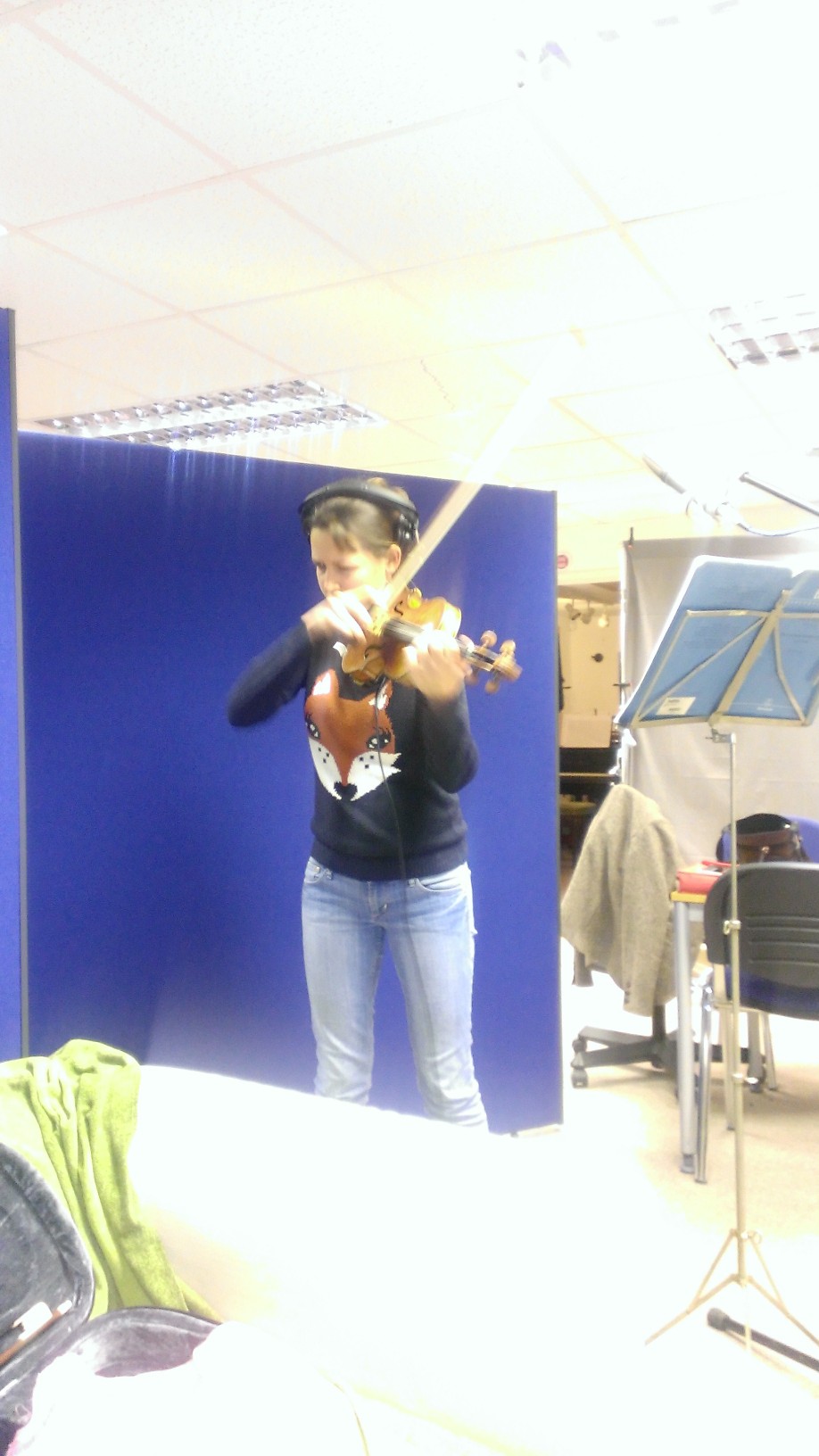
Adelia in action2We got together over the May Bank Holiday to record it. I’m full of admiration for Adelia; both as a person and as a musician. She had the difficult task of playing a demanding piece alongside a backing track with a large microphone in front of her. To play normally is one thing, but to play so beautifully and at a fast tempo wearing chunky headphones is quite another!

Eat your heart out Jascha Heifetz!

As a much in demand concert violinist, her energy and enthusiasm during the recording process – and indeed for the whole project – has been nothing short of miraculous.

“I am grateful to have met Virginia and to have been part of Isabelle’s story through music. Her novel, The Virtuoso is powerful, beautiful, and very human; and sure to touch many hearts like it did mine.” ~ Adelia Myslov

I couldn’t imagine anyone else telling the musical story of The Virtuoso quite like Adelia does.

We were able to take sections of the score and make sure we were happy with the result before moving on to the next phrase. Tim, in his sound wizardry, was able to take all the best bits and put it together in this finished version.

The Official Soundtrack

In a few weeks the official soundtrack to The Virtuoso will be available to purchase on Amazon and iTunes alongside the novel.

I put together a You Tube video to showcase the music, but please do support the artists by purchasing the track if you like it as much as I do!

When I started writing The Virtuoso I could never have imagined that Isabelle’s theme would be so exquisite and encapsulate so perfectly the story I have written. Bravo Tim and Adelia!

I’m so grateful to them for working with me and sharing their immense talents on The Virtuoso.

I’d be delighted to hear your thoughts on the music, please do leave a comment or get in touch. I know it would mean a lot to Tim and Adelia as well.

I now have a book launch to organise! Until the next time folks…

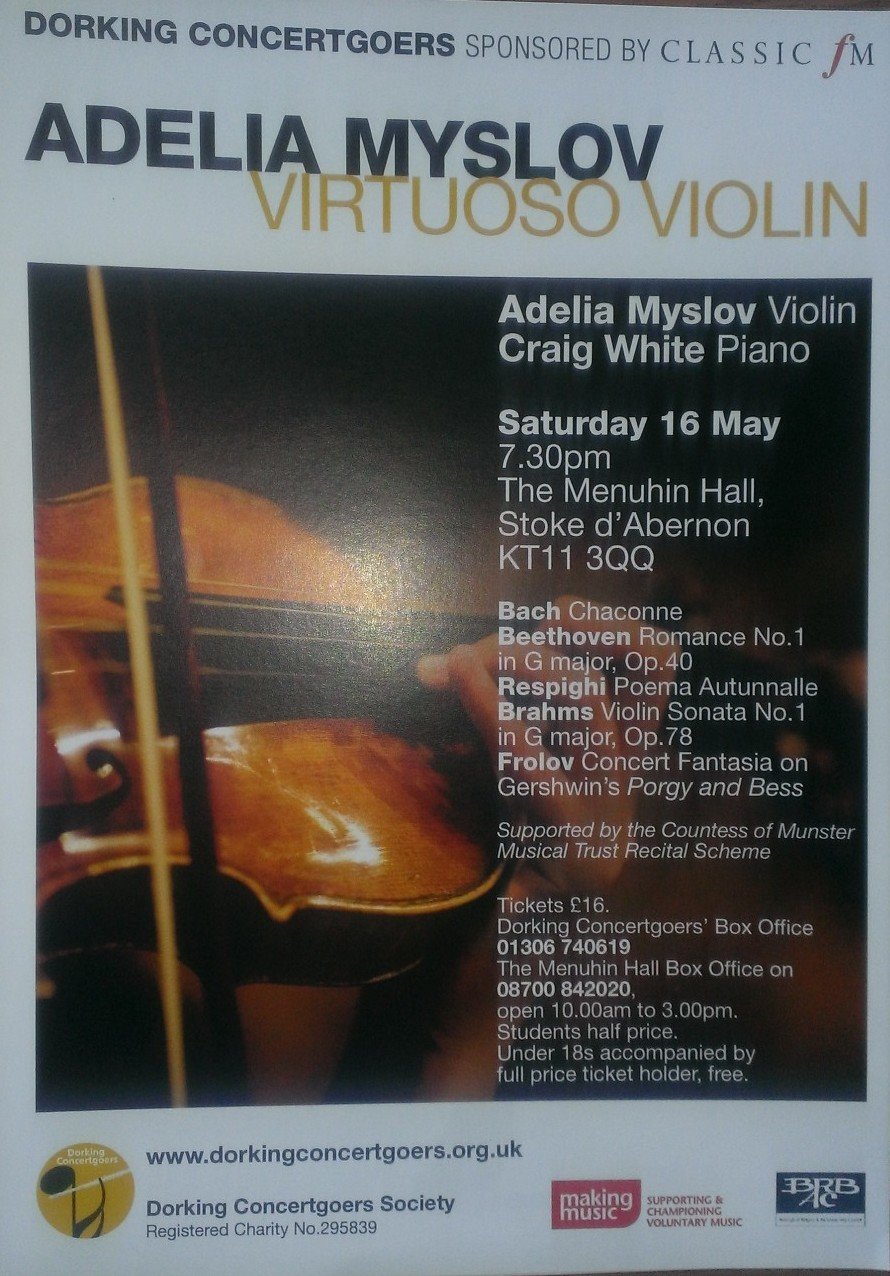
Concert Review: Adelia Myslov Virtuoso Violin – Menuhin Hall 16th May 2015

I just had to tell you all about the concert mum and I went to last night!

Lord Menuhin would have been proud of one of his former students…

Adelia_Menuhin_Hall_concert_poster

In the fabulous setting of the Menuhin Hall we were treated to jaw dropping virtuosity with a mixture of baroque, romantic and jazz favourites for violin and piano.

Adelia opened with Bach’s Chaconne, giving a powerful performance of passion, pathos, precision and pure delight!

Her technique and delivery was flawless: she gave us rich and sustained chords, never missing an incidental note, in a dazzling array of light and shade in tone and tempo. Her vigorous, visceral build-up towards the middle section was infused with tension and restraint, leading to an explosion of emotion made possible by her incredible her bow control. It was a heartfelt and soulful recital of Bach’s spiritual and iconic solo violin masterpiece.

Both Adelia and Craig achieved a perfect balance between the dialogue and interplay of the violin and piano in Beethoven’s Romance No. 1 in G major. Their performance was ablaze with his romantic spirit, not to mention immaculate double stopping and exquisite phrasing.

Respigi’s Poema Autunnale was just divine. I could picture the rustic leaves swirling in the wind as the colours of her performance perfectly matched its seasonal theme.

So you can hear her brilliance for yourself, here is an earlier recording of Adelia & Craig performing the Respigi:

Equally impressive was her uninhibited expression of the Brahms Violin Sonata No.1 in G major.

Their finale was Frolov’s Concert Fantasia on Gershwin’s Porgy & Bess – what thrills and trills!

Their energy and enthusiasm for this rhythmic, jazzy gem shone through.  Adelia was up and down the fingerboard at lightning speed with accuracy, intonation and slides made in heaven. I doubt even Stephane Grappelli could have played it any better.

As of today (19th May), Adelia has been able to upload the recording made by the Menuhin Hall, and so it’s my pleasure to present her stunning live performance:

Adelia’s love and understanding for the music was etched on her face and clearly translated into beautiful sounds from her violin.

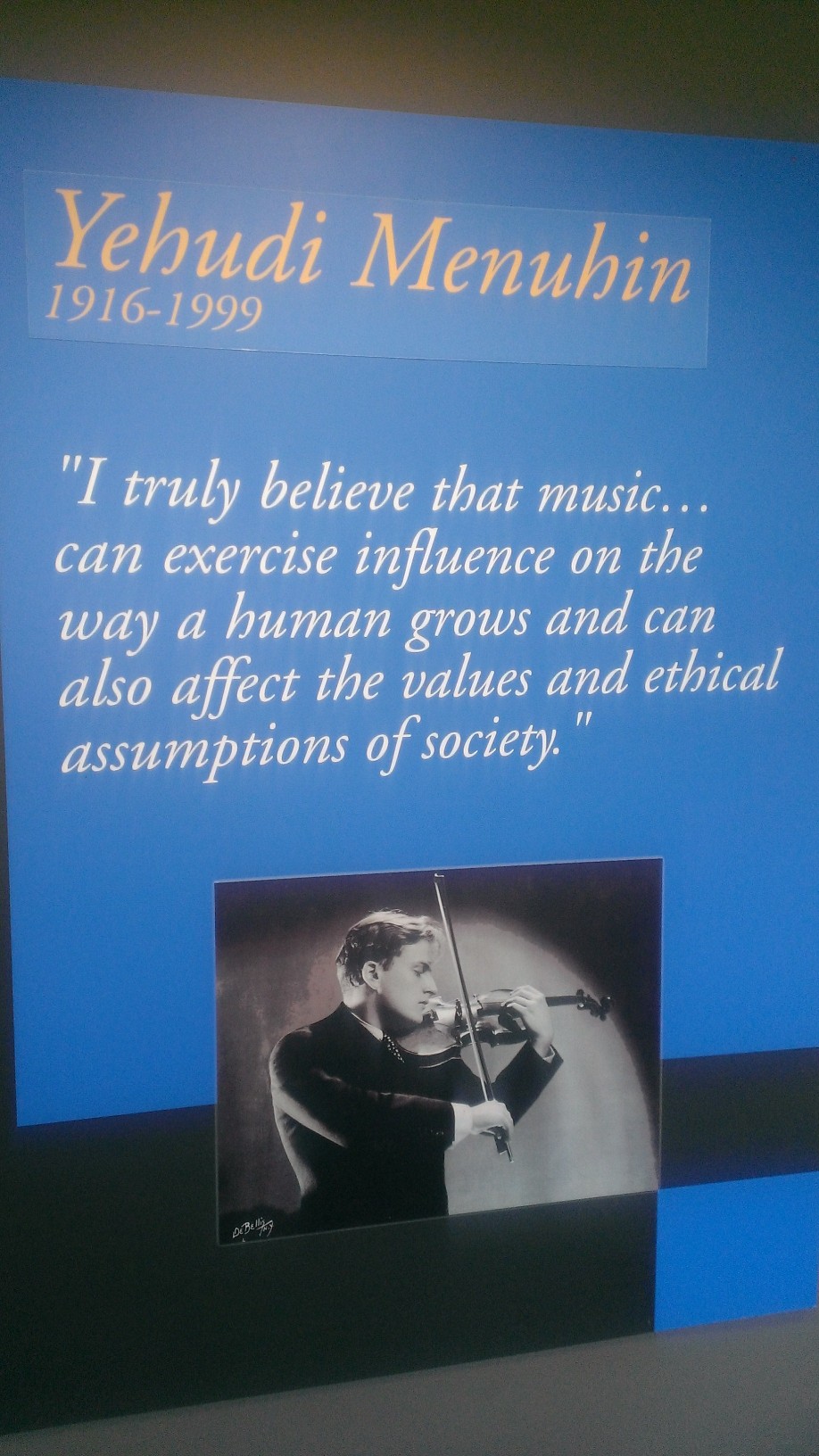
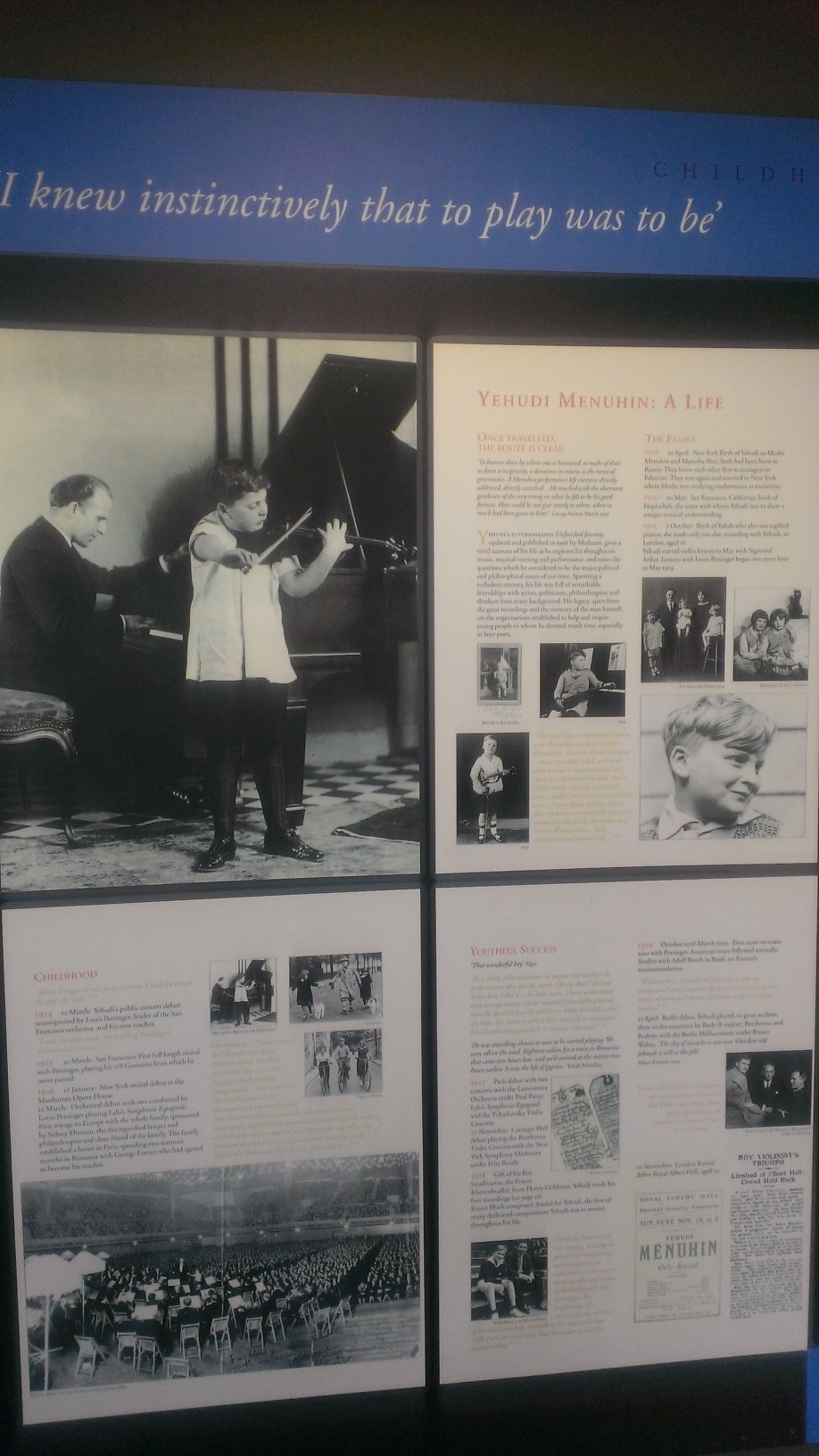
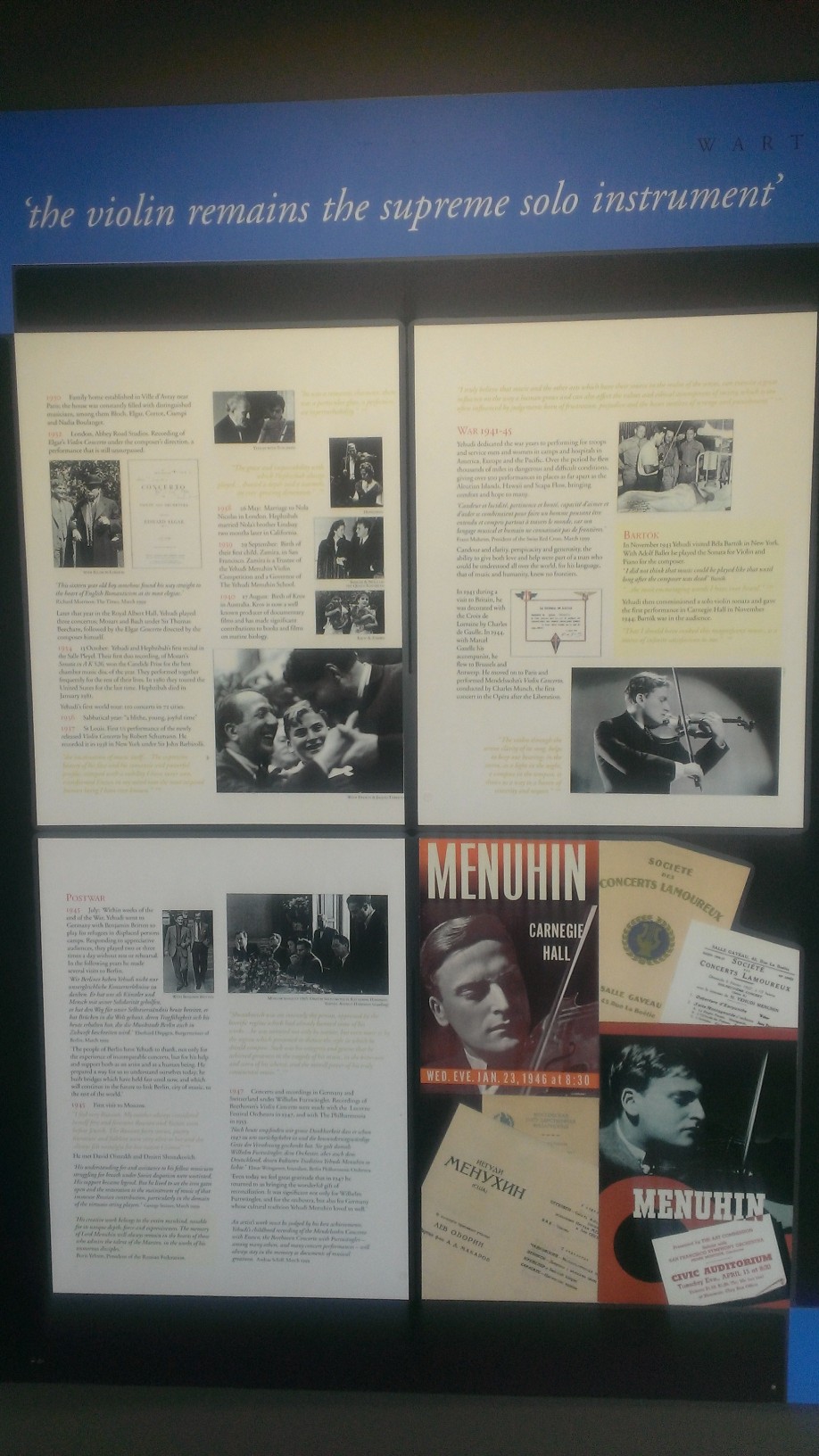
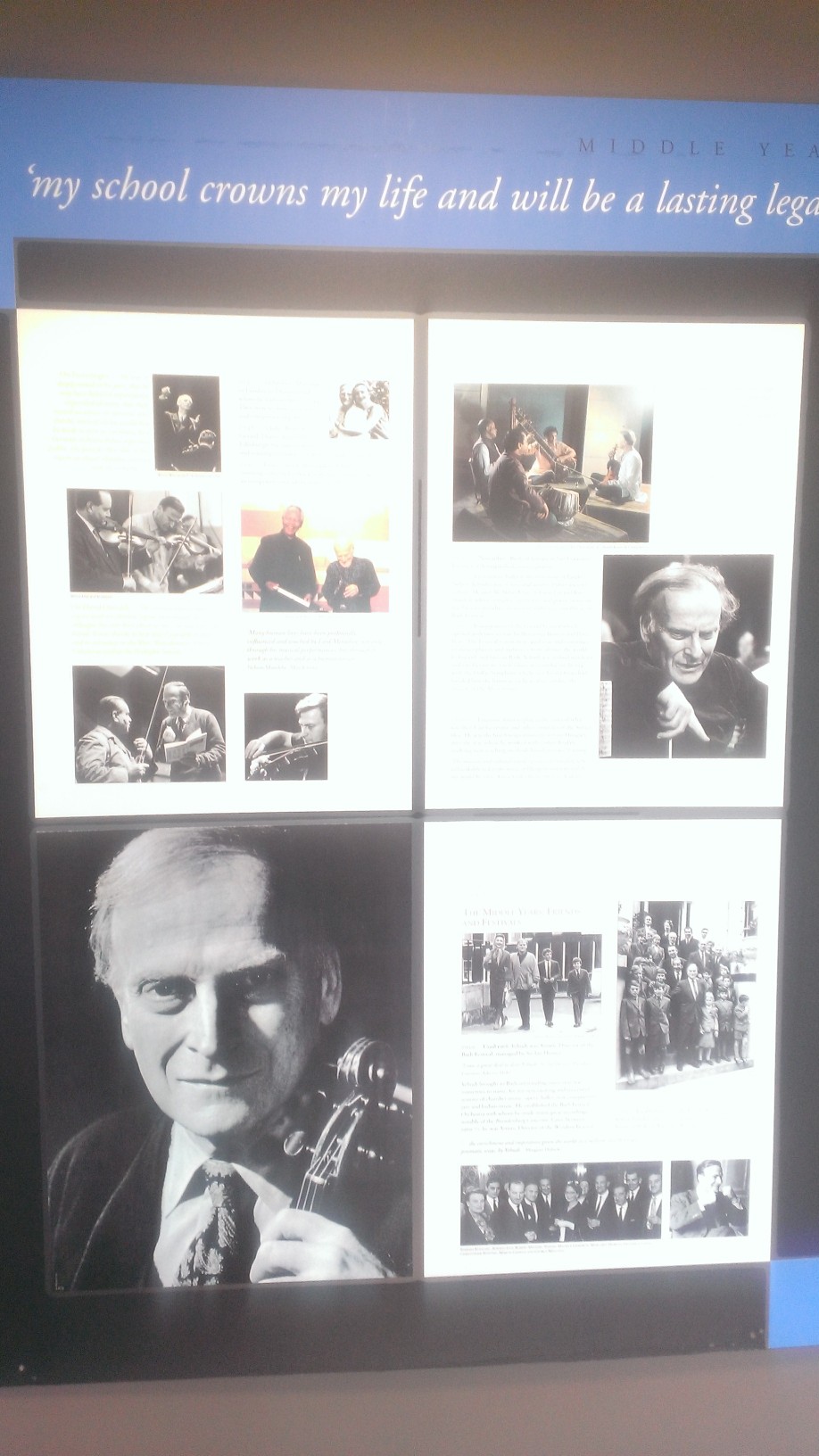
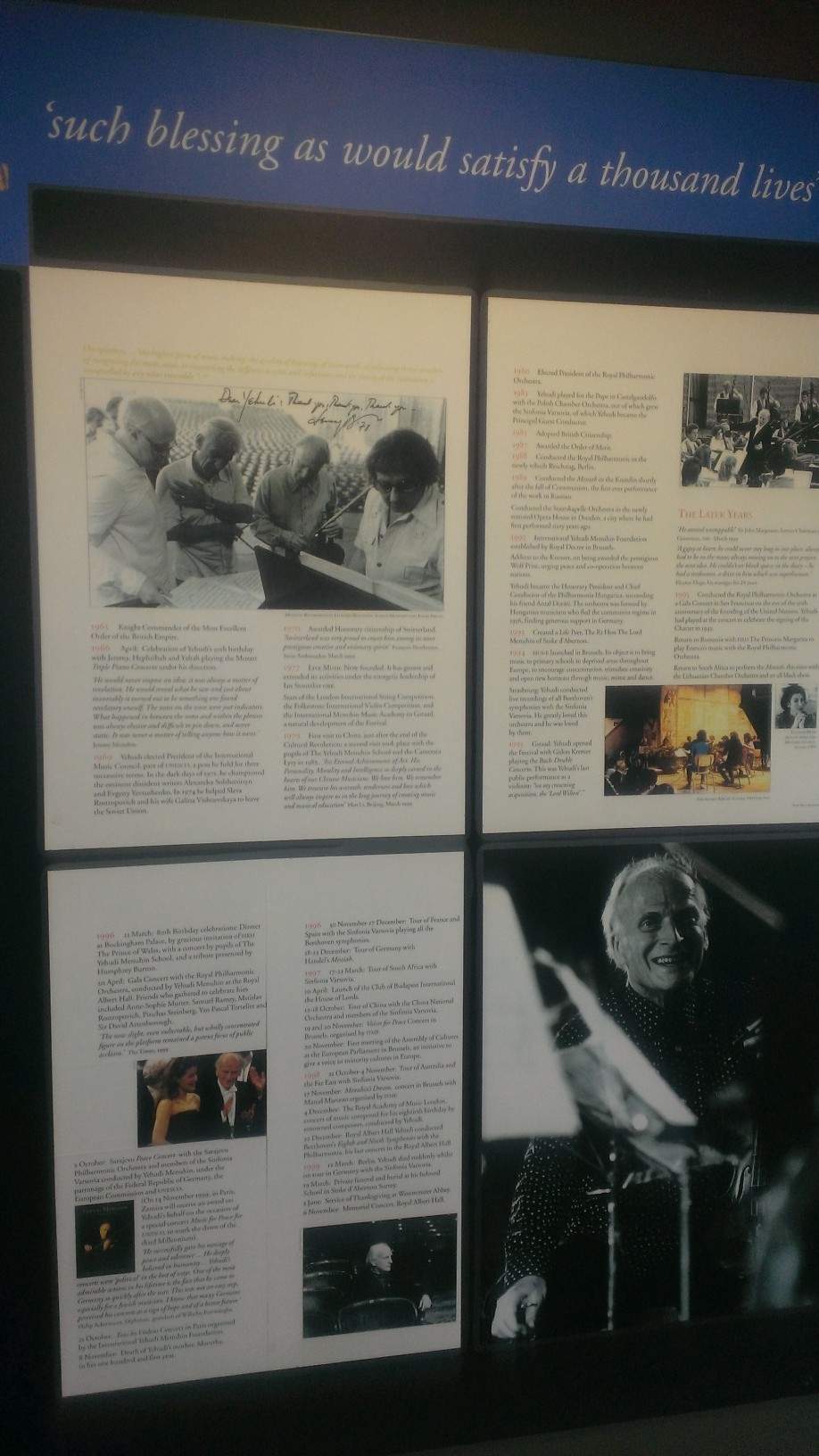
The acoustics in the hall are wonderful; needless to say mum and I enjoyed our evening very much. It was amazing to stroll along the public areas of the hall beforehand and read about the highlights of Lord Menuhin’s life and musical career – truly inspirational.

Located just outside Cobham in substantial rural grounds, the Yehudi Menuhin School continues to grow with the times, with a planned new state-of-the-art music centre and library, which, when built will house multiple studios ideal for music tuition, performance and recording.

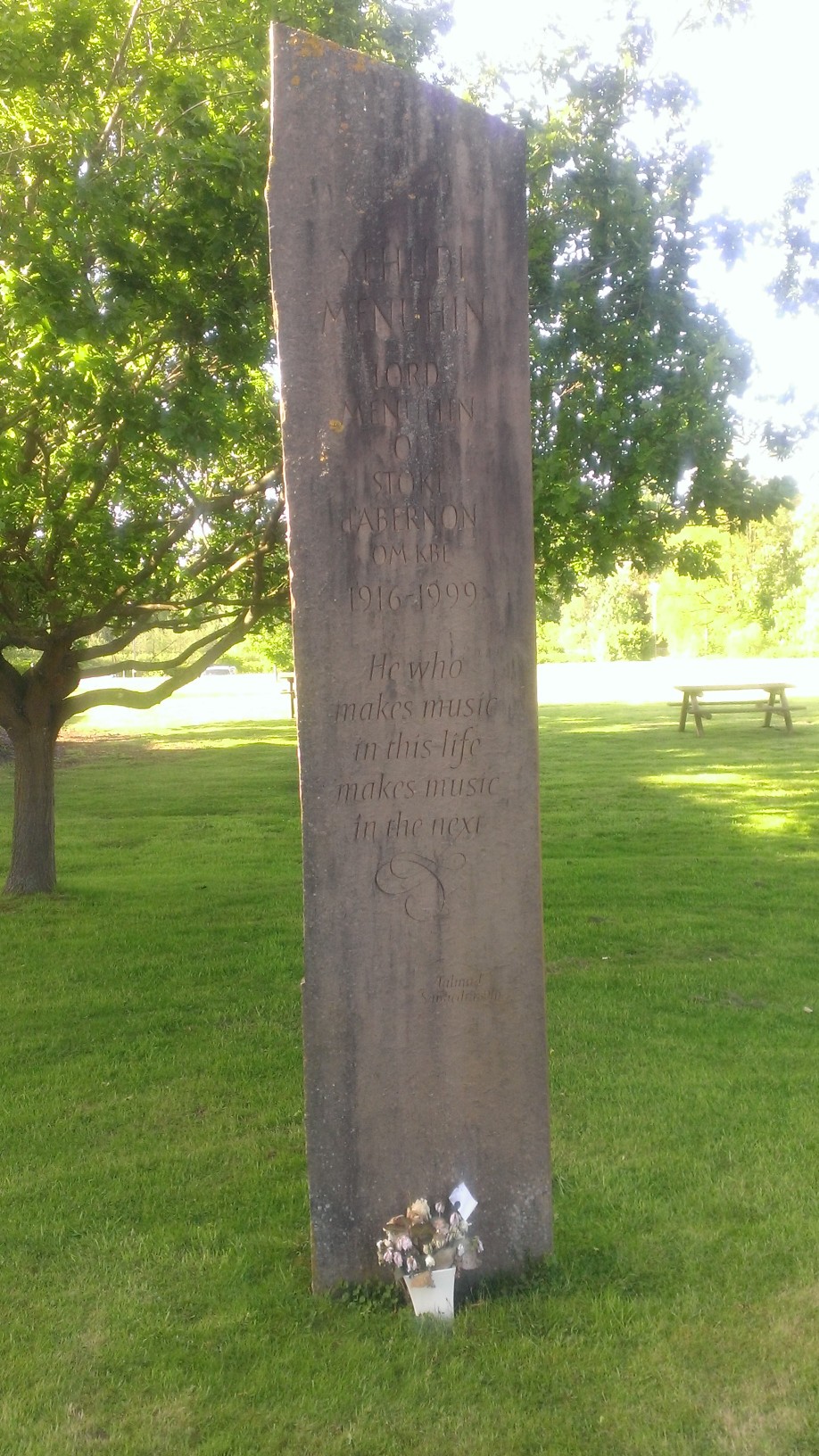
It is, perhaps, the spiritual home of violin performance, with Yehudi Menuhin’s grave situated not far from the entrance to the hall.

The inscription on his tomb stone says it all:

“He who makes music in this life makes music in the next.”

Some more of my photos:

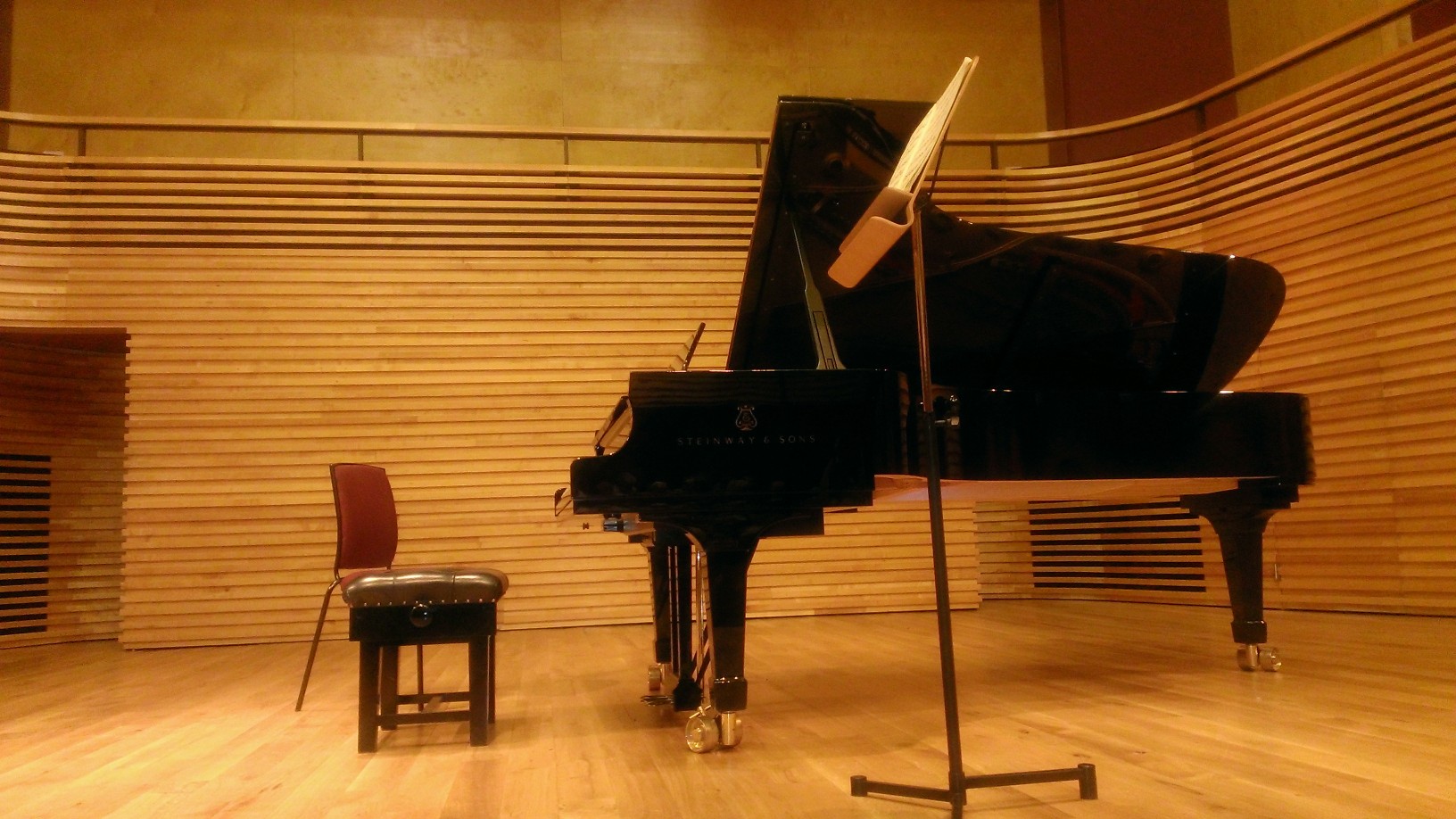
Menuhin Hall

View from the front row of the Menuhin Hall


Menuhin grave

Lord Menuhin’s grave


Menuhin Hall Poster5


Menuhin Hall Poster4


Menuhin Hall Poster3


Menuhin Hall Poster2


Menuhin Hall Poster


Yours truly outside

Yours truly outside

Transforming Education: The Case for Making it More Creative, More Engaging and Tailored to the Individual

“Education is not the learning of facts, but the training of the mind to think.” ~ Albert Einstein

Now that the UK’s 56th general election has been so decisively concluded, and the ramifications of the results are already being endlessly debated, I got to thinking about one of the most important issues for me personally – education. Amidst the weeks of tedious campaigning it reminded me of the much used and successful Labour battle cry, when Tony Blair stormed to victory in 1997.

Education. Education. Education.

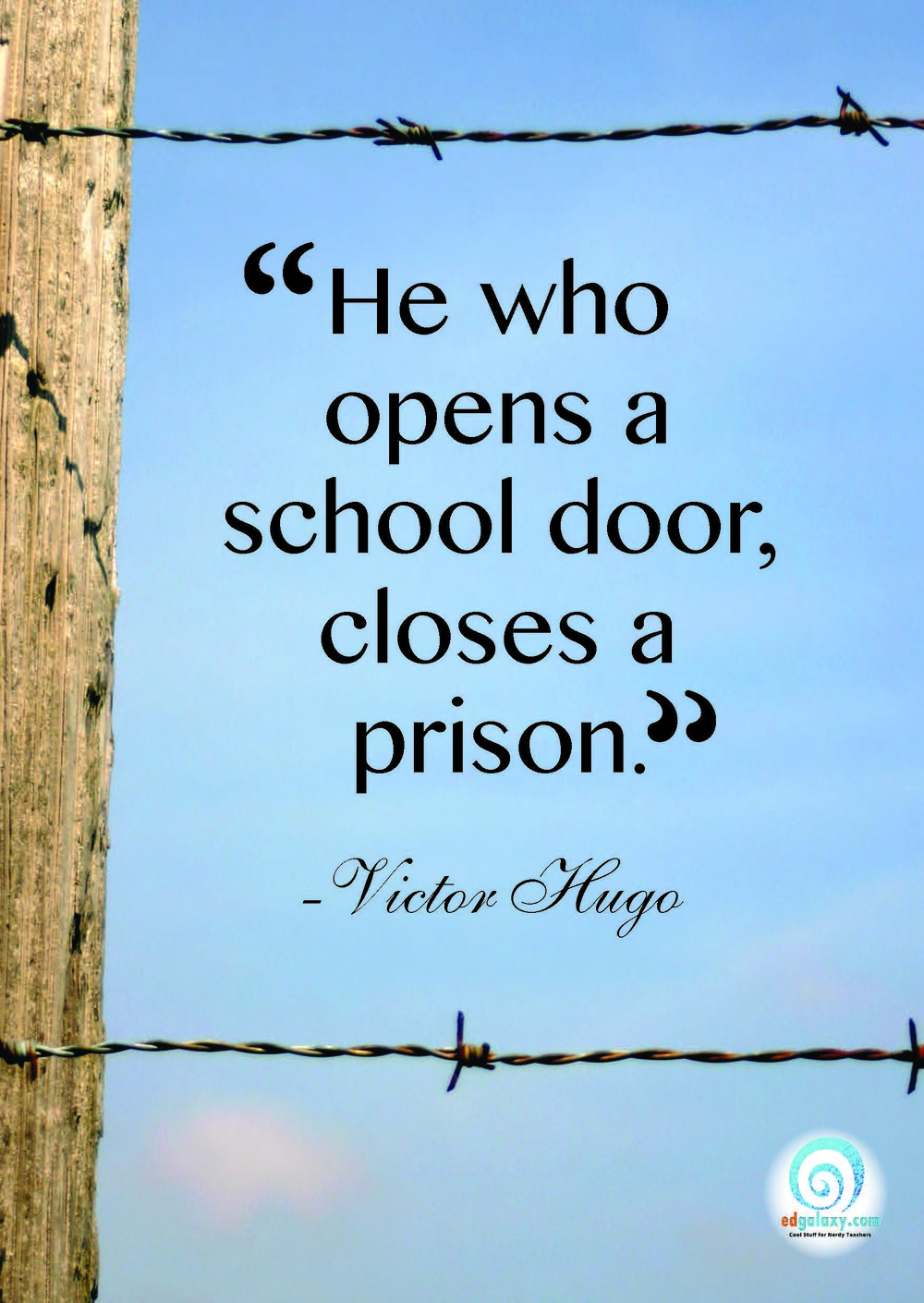
education quote - Victor HugoIt’s an important issue. It’s fundamental to most parents and voters. You want the best for your children. If governments got this right, I have a feeling the economy and many of society’s woes would take care of themselves down the road.

We only get one chance to provide a solid foundation for our youngsters. Their minds are like sponges until the age of eight, and their confidence is a fragile commodity well beyond that.

Does anyone have happy memories of their time at primary and secondary school? Do you remember feeling engaged with your subjects and teachers?

Sadly, mine are few and far between. I excelled at French and English, was hopeless at maths, (except Algebra), and loved drama, music and PE. I was bullied mercilessly at secondary school, and worse was to come at college, (but that will have to wait for another post).

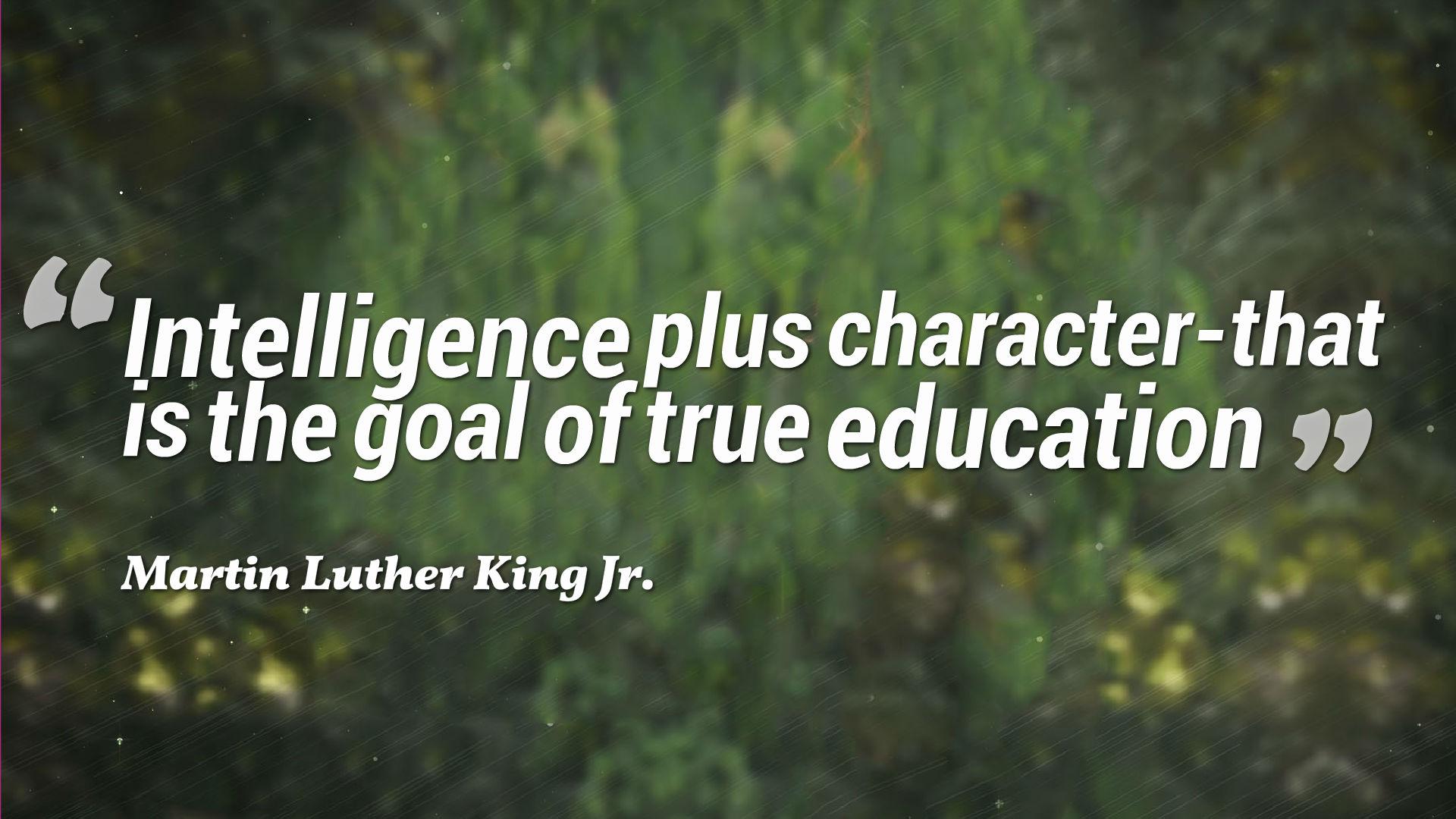
Education-Quote-MLKGoing to secondary school and higher education is a time of change and great upheaval: emotionally, hormonally, socially and mentally. If children already have a healthy sense of who they are and what they are good at, I propose they are less likely to go off the rails at this stage. It’s not to say they won’t experience any discomfort, but I think they are better equipped to weather the teenage storm.

But it seems the curriculum, especially for primary schools, is rigid and confined, with too much focus on literacy and arithmetic. Lots of rote learning of tables and phonics. Don’t even get me started about how ill equipped phonics are when it comes to spelling. My daughter spells a word exactly how it sounds, full stop.

Now, being a writer, I’m all for these important subjects to be taught, but they should be taught well, and not just by one method. Our children are individuals and will relate to teaching in their unique way.

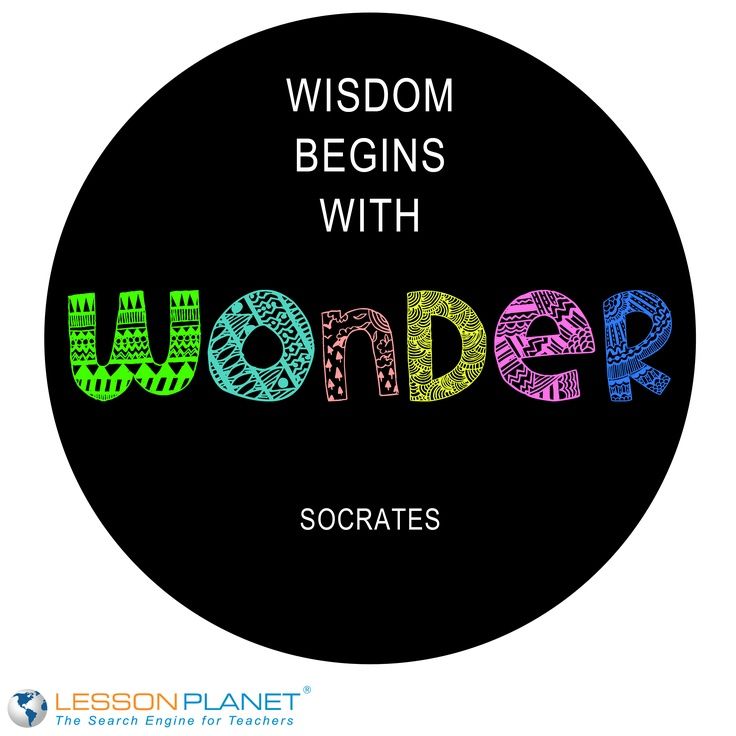
Socrates on wisdomWhere is the focus on creativity? Why are music and the arts fighting to be on the curriculum? I wrote a previous post about The Importance of a Musical Education – a subject very close to my heart. Why are there not enough trips and visitors to talk to and show the kids different skills and professions? I know cost is a factor, but what is the cost of not improving our education system?

Good luck if your child is a square peg and doesn’t fit into a round hole, which is what mainstream schooling tries to shape them into. Heaven forbid a child should be ‘troublesome’ or have ‘learning difficulties’. In my humble opinion the ‘one size fits all’ approach is so damaging to children’s self-esteem and creative process. Anything can be learned. Original and creative thought are infinitely more valuable.

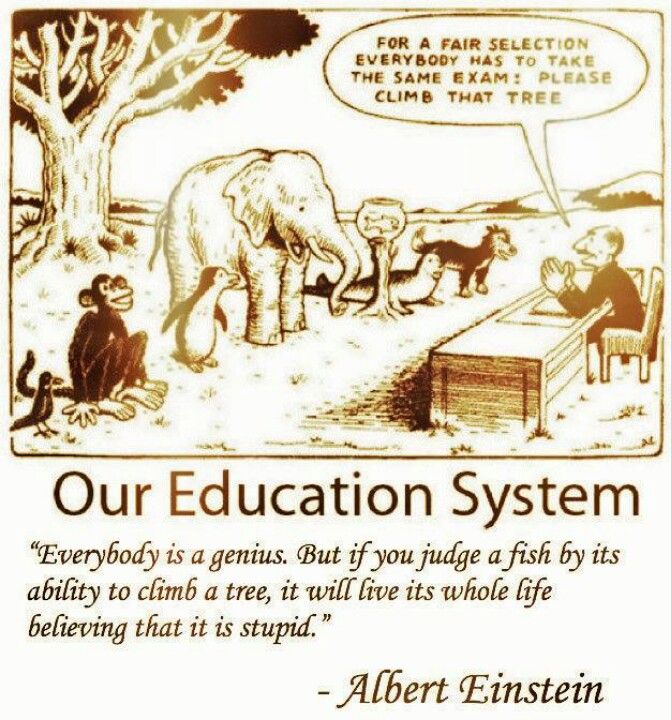
Albert Einstein - Our Education System

“It is the supreme art of the teacher to awaken joy in creative expression and knowledge.” ~ Albert Einstein.

We should not just be teaching them how to read and write, we should be teaching them skills for life. We should be helping them to discover their talents. Emotional intelligence is every bit as important as IQ.

We need more flexibility and imagination in our education system, not more targets.

When you were growing up did anyone truly inspire you to follow a path that lead to contentment and success? I was lucky to have a couple of really wonderful teachers who helped me in certain areas, but they are mostly confined to the system the government of the day imposes on them.

“The true sign of intelligence is not knowledge but imagination.” ~ Albert Einstein

Progress 8 

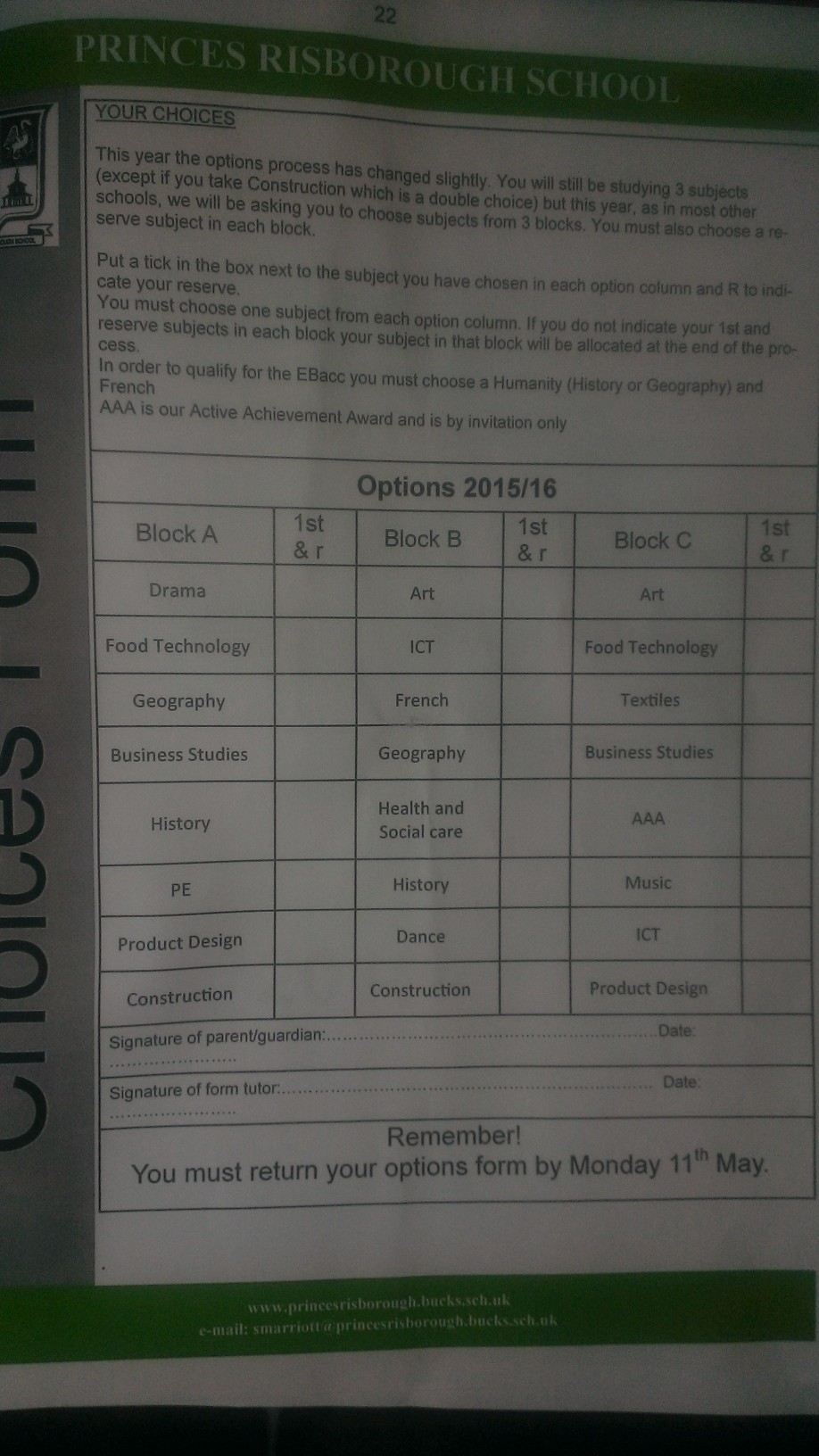
PRS OptionsMy 13 year old son William is currently studying at Princes Risborough School and is now choosing his Key Stage 4 options for GCSE. It has been an easy choice for him; he knows what he wants to do, what he enjoys and what he’s good at.

His three choices from the categories available are drama, history and business studies. I’m hoping he’ll do well in his June science exams and be chosen to study either triple or double science as part of his core subjects as well.

The school were very supportive during this process to both students and parents alike, recommending students follow the subjects they love and excel at, plus a technology subject, in consideration of the government’s Progress 8 performance measures.

education keyboardIt is predicted that students will change careers multiple times in their working lives, so to choose a subject for a lifetime is an almost impossible task. What really impressed me was that where students’ interests and government interests clash, they would always side with the student, having their best interests at heart within the set-up and capabilities of the school. Their motto is ‘Enjoy and Achieve’. A lot comes down to leadership. I’m thankful they have a great head teacher in Peter Rowe.

At William’s school they also get to do an enrichment activity weekly (with interests as diverse as beekeeping and falconry on the list), and PE (non-examinable) as part of their post Year 8 curriculums, in addition to taking a Citizenship GCSE and their core subjects of Maths, English and Science.

By the time my kids leave school I want them to believe that there is no glass ceiling on what they can achieve in their lives.

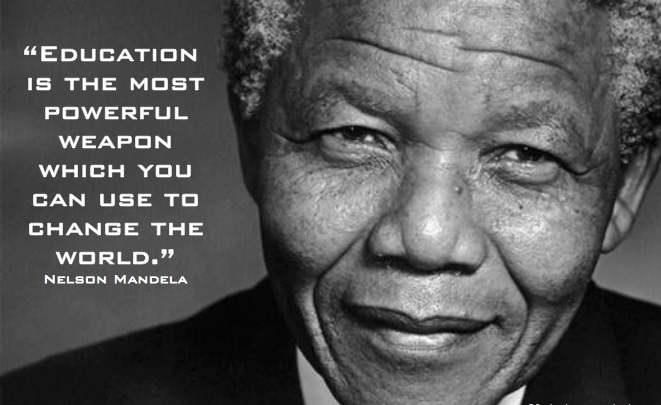
nelson-mandela-education-quote

Sir Ken Robinson makes an entertaining and profoundly moving case in this TED Talk for creating an education system that nurtures (rather than undermines) creativity:

He makes the insightful comments that children get ‘educated’ out of creativity, and that we should educate their whole being. I couldn’t agree more. It’s vital to help children discover their talents. He states that education is currently mechanical, and how it could improve if it were more organic. He talks about the need to create the conditions where children can flourish.

Sir Ken continues with his vision for education in his 2010 talk, Bring on the Learning Revolution:

The rise in home schooling shows the dissatisfaction parents have with such a narrow and institutionalised system.

Article in The Guardian about Home schooling and the rights of both children and parents.

In another TED Talk, teenager Logan LaPlante gives his take on hackschooling:

He sums it up perfectly: education is oriented to making a living rather than making a life.

A great blog on Higher Density highlighting what schools generally don’t teach about creative thinking.

Education is a lifelong process.  I try to set the example for my kids by continued study, as well as putting myself in situations where I will be challenged physically, mentally and emotionally. I strongly believe that if I don’t push myself and get out of my comfort zone, I’ll never know what I’m truly capable of.

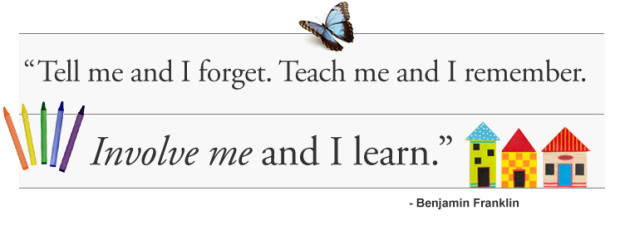
tell-me-and-i-forgot-learning-quoteI feel that my role as a mother is to love, care for and nurture my children, which encompasses helping them to discover themselves, respect them for who they are and not who I want them to be, to have conviction and confidence in their ideas and abilities, become self reliant, have a meaningful set of values, a healthy self-esteem and dreams and aspirations to aim for, all in a supportive family environment.

In short, providing the necessary ingredients for them to lead happy, successful and fulfilled lives, where they can have a chance at reaching their full potential.

Wouldn’t it be wonderful if schools had the same mandate?

“Education is what remains after one has forgotten what one has learned in school.” ~ Albert Einstein

A K.O. for Boxing – What can we Learn from ‘The Greatest’?

Having witnessed the recent media hysteria surrounding the big Saturday night fight between Welterweight boxing greats, Floyd Mayweather and Manny Pacquiao, it made me ponder (albeit briefly), what it was that attracted such incredible global hype and scrutiny over a single sporting event in world history.

In a gathering of who’s who of living boxing champions and sporting legends speculating on which fighter will emerge victorious, with commentators going into a total frenzy over this much awaited ‘clash of the titans’, and sports fans all over the world tuned in to their TV’s clutching their remote controls, cold beers on hand to stop them overheating; all in anticipation of seeing these top sports men in action in the ring in Las Vegas.

The build-up for boxing fans:

Millions of viewers worldwide tuned in to watch this much awaited fight between these two impressive opponents.

Why? What is it about two ripped men almost dancing round the ring, swift in their movements, yet strong on contact, that appeals to so many people?

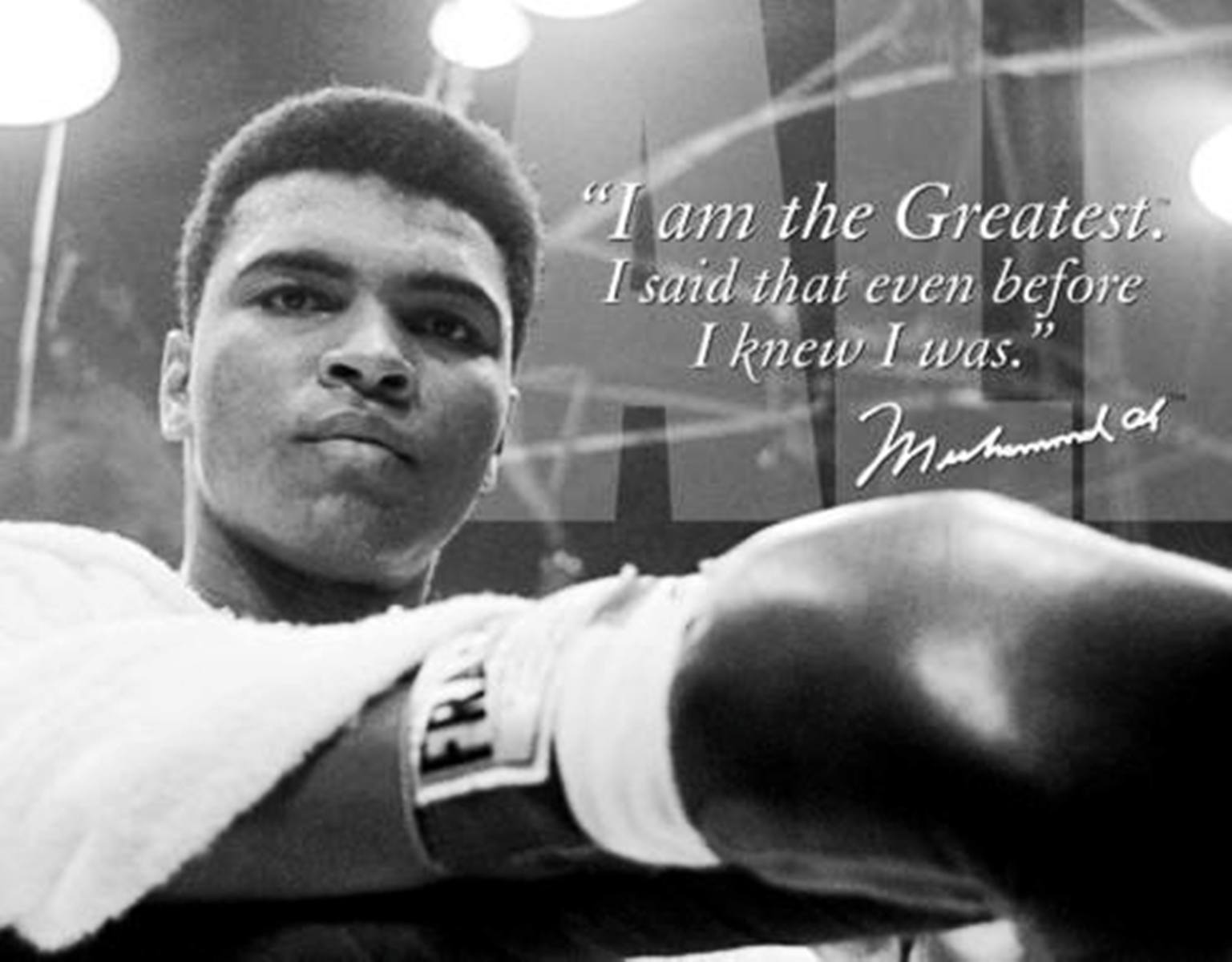
As ‘the greatest’ Cassius Clay, aka Muhammed Ali himself famously said, “Float like a butterfly, sting like a bee.”

Muhummad Ali quote

I could be somewhat cynical and say that the biggest motivating factor is money. Huge sums at stake for the boxers themselves, the promoters and broadcasters, not to mention the kudos and profile of being part of such a hotly billed occasion.

I suspect for Mayweather and Pacquiao it’s the satisfaction of going down in history being dubbed as ‘the greatest’ that floats their boats, but for the rest of us it’s the chance to speculate and admire. There are lots of egos on the line!

Bookies will have raked in a small fortune over the outcome, and UK viewers had to fork out up to £24.95 on pay-per-view over and above their normal subscriptions for the privilege of watching it. I love most sports, but I’m not a boxing fan. I don’t see the fun in two men punching seven bells out of each other; I find it too violent.

I can however, appreciate the fitness level, skill, determination and mental acuity of the participants.

Impressive as the Mayweather vs. Pacquiao (#MayPac) bout may have been, it wasn’t as iconic as the ‘rumble in the jungle’.

Mayweather may have given a masterclass in boxing technique and officially won the fight, but for me he’s not ‘the greatest’ boxer ever to have lived. He’s a close contender, but Ali will always wear that belt and hold that title. He invented the mental game.

It’s not so much the physical prowess of Muhammad Ali that I admire, as more his mental strength. He may have come across as arrogant, supremely overconfident, and a master at psyching out and knocking out his opponents, but deep down he really believed in himself, and knew how powerful beliefs are.

Mahatma Gandhi understood this too:

His mental strength equalled his physical strength, and that’s why he’s ‘the greatest’.  He harnessed the power of purpose, vision and self-belief. It’s a principle that can be applied to any endeavour in life, it’s at the core of whatever you want to achieve.

Sages throughout the ages have known this. Shakespeare wrote in Hamlet, “There is nothing either good or bad, but thinking makes it so.”  We create outcomes at their most fundamental levels by what is in our minds.

We’ve all doubted ourselves at some point or other, but as long as we are aware of our inner voice and don’t take heed of the one that’s less than positive we can win our own internal battles. In boxing, there can be only one winner. But in life we can all be winners, it’s simply a state of mind…

If the sun and moon should doubt,

They’d immediately go out.

~ William Blake (Auguries of Innocence)

So going back to my question of why this particular fight was so popular, I think it’s because many people rated the individual skills and confidence of these two men and wanted to see who would reign supreme. They remind us of the greatness of the likes of Ali, and indeed of ourselves, of what we can achieve in our own unique way.

Everyone loves a winner. But if you don’t step into the ring, you’ll never know what you’re capable of.

01-Muhammad-Ali-quotes

We are the ones who sometimes have to get out of our own way, we are our own biggest opponents; the ones who decide whether or not we will be the champions of our lives.

Like me, you may not be a world class boxer, but how hard are you prepared to train? Do you believe in your chosen path and ability?

Claim your victory, make it so. Your fans will be cheering you on.

“Alice laughed. ‘There’s no use trying,’ she said. ‘One can’t believe impossible things.’ I daresay you haven’t had much practice,’ said the Queen. ‘When I was your age, I always did it for half-an-hour a day. Why, sometimes I’ve believed as many as six impossible things before breakfast. There goes the shawl again!” ~ Lewis Carroll

A Song and Dance with Messrs Bach, Händel and Lully

I don’t want to make a song and dance about these giants of the baroque era, ergo this post has no airs and graces, just a selection of Airs and Gavottes!

Bach - G & R

In lieu of modern inventions such as TV and radio, the people of the baroque era had to find other ways to amuse themselves. Basically, this meant a lot of singing and dancing and live music performance, and an expectation from the composers of the day to provide the basis of said entertainment.

The Song

The ‘Air’, derived from ‘Aria’ or any lyrical work, is a song in instrumental and vocal music.

From Wikipedia:

Lute ayres emerged in the court of Elizabeth I of England toward the end of the 16th century and enjoyed considerable popularity until the 1620s. Probably based on Italian monody and French air de cour, they were solo songs, occasionally with more (usually three) parts, accompanied on a lute. Their popularity began with the publication of John Dowland’s (1563–1626) First Booke of Songs or Ayres (1597). His most famous ayres include Come again, Flow my tears, I saw my Lady weepe, and In darkness let me dwell. The genre was further developed by Thomas Campion (1567–1620) whose Books of Airs (1601) (co-written with Philip Rosseter) contains over 100 lute songs and was reprinted four times in the 1610s. Although this printing boom died out in the 1620’s, ayres continued to be written and performed and were often incorporated into court masques.

The most famous ‘Aria’ of all is probably from Bach’s Goldberg Variations. Here is the incomparable Glenn Gould to carry you off to heaven:

Händel – Air in D minor from Suite No. 3 HWV 428 on piano by Murray Perahia:

I love this unusual transcription of Lully’s Air Tendre et Courante for the alto saxophone and piano:

I can imagine this being performed at Versailles! Lully – Airs pour Madame La Dauphine: Pavane des Saisons, for Triple Baroque Harp by Andrew Lawrence-King:

Lully – Air des Espagnols from ‘Le Bourgeois Gentilhomme’ (Sarabande), in a vibrant interpretation from 21st Century Baroque:

I also love this recital by Jordi Savall and Le Concert Des Nations:

Air on the G String

There are so many lovely versions of Bach’s immortal ‘Aria’ from his Orchestral Suite No. 3 in D Major BWV 1068, which was transcribed for violin and piano in the 19th Century by German violinist August Wilhelmj and titled ‘Air on the G string’.

By transposing the original key of D Major into C Major and lowering the notes by an octave he was able to play the entire piece on one string, the eponymous G string. It was one of Bach’s first works to be recorded in the early 20th century.

If there was ever a musical piece that could be classed as a form of meditation; this is it.

Yehudi Menuhin in vintage form. His bow control is awesome. I always think it’s harder to play at slower tempos, especially in a more legato style. He doesn’t get an attack of the “pearlies” (problems keeping the bow in constant contact with the strings) here!

Voices of Music on period instruments:

Fascinating chat beforehand with Anne Akiko Meyers about her Guarneri del Gesu violin (once owned and played by Henri Vieuxtemps) The music starts at 3.32:

A wonderful mellow transcription for trumpet, with Russian ace Sergei Nakariakov:

Daniil Shafran with a string orchestra playing the most divine cello transcription of Bach’s Aria:

It’s also perfect jazzed up by Jacques Loussier and his superb trio!

I can’t resist this gorgeous, ethereal vocal version by Libera:

The Dance

The Gavotte is a dance, and a stately one at that. With its origins in France, this traditional folklore dance can be lively or slower in tempo. The Gavotte is said to have taken its name from the ‘Gavot’ people of the Gap de Pays region in south-east France.

From Bach.org:

The gavotte traces its history back to the late 16th century, and continued as a popular courtly dance form to the end of the 18th century. Bach wrote 26 pieces he titled “gavotte”, including movements in three of the four orchestral suites. A gavotte is a stylized French dance, moderate in tempo, always in duple meter, with each phrase beginning half-way through a measure. The phrases are almost always groups of four measures each, and are often paired in an antecedent-consequent manner. Like the air, it is a binary form, with two repeated sections. It is graceful, sometimes joyful, but not as romping and raucous as a gigue.

Among other types of dance, the Gavotte was popular at the court of Louis XIV. I can imagine groups of ladies and gentlemen dressed in their finery, feet poised, knees bent as they bow and step in unison. An example of a Baroque Gavotte dance:

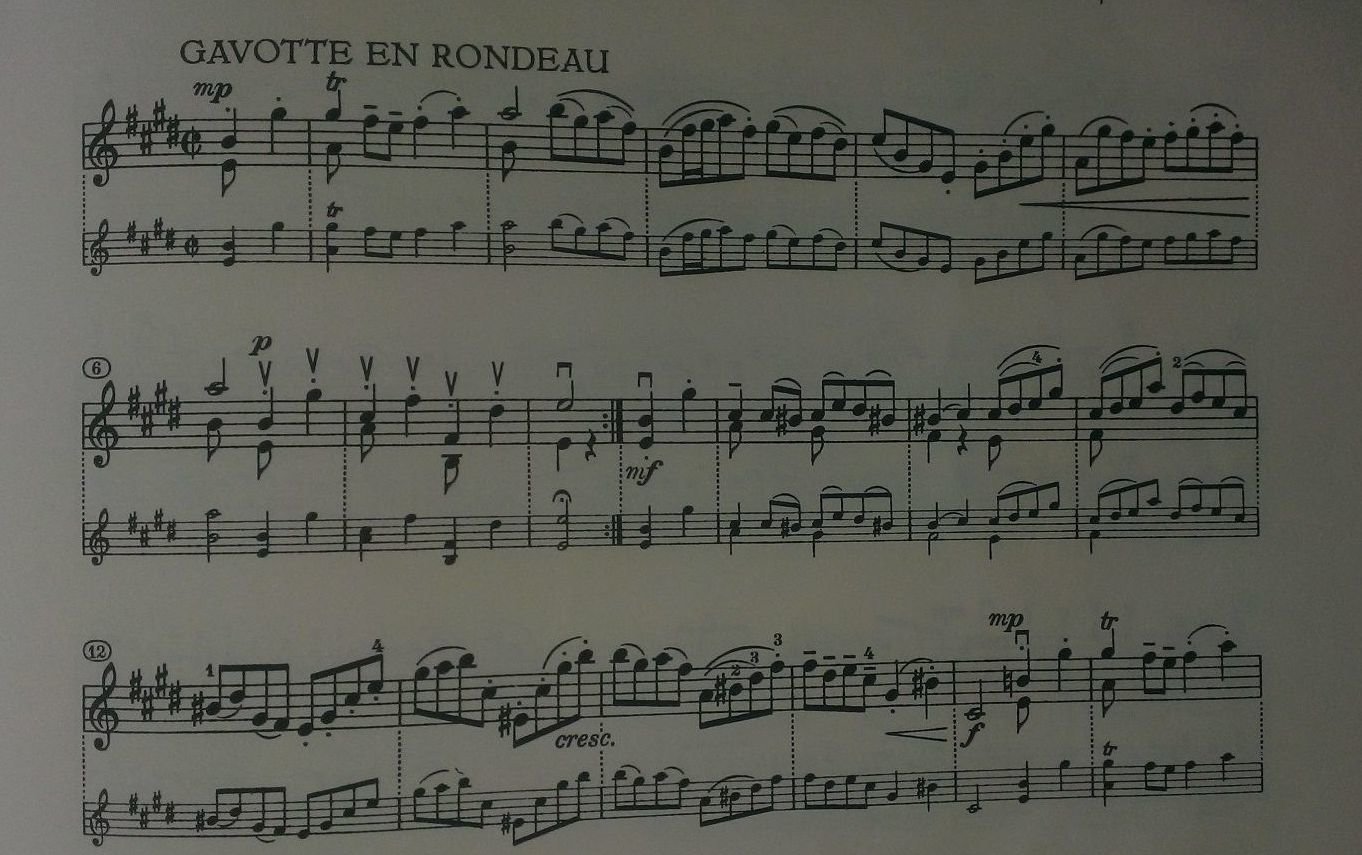
Hilary Hahn in a beautiful recital of Bach’s Gavotte en Rondeau from the Violin Partita No. 3 in E Major, BWV 1006:

Lully – Gavotte for Cello & Piano with Mischa Maisky and pavel Gililov:

Lully – Gavotte en Rondeau for Piano, played so beautifully by Cziffra György:

Bach – Gavotte from Cello Suite No. 6 with Mischa Maisky

The Gavotte from Bach’s English Suite No. 3 in G minor, BWV 808 with Trevor Pinnock at the Harpsichord:

A spritely Gavotte from Bach’s French Suite No. 6 in E Major, BWV 817 by Glenn Gould:

As I had a few versions of Bach’s Aria from his Orchestral Suite No. 3 in D Major, BWV 1068, here are the Gavottes I and II from the same suite in its original form by Capella Istropolitana:

Händel’s Gavotte in G Major, HWV 491 transcribed for classical guitar and performed by Andres Segovia:

So, with a skip and a hop and a hum, I will leave you to enjoy the music! I’m off to practice the Gavotte en Rondeau on my violin…